Tag: HLTAID009 CPR Sydney

  • Instructor Tips for Nervous CPR Students – Build Confidence Fast

    ❤️ Instructor Tips for Nervous CPR Students in Sydney


    You walk into your CPR class.

    You see the mannequin. The trainer. Other students.

    And suddenly… your confidence drops.

    👉 “What if I mess this up?”
    👉 “What if I can’t do it properly?”

    If that sounds familiar—you’re not alone.

    In fact, most people feel nervous before learning CPR. And that’s exactly why good trainers focus on helping you feel calm, capable, and confident.

    Here are some instructor-backed tips for nervous CPR students in Sydney 👇

    😟 Why CPR Feels Intimidating at First

    Firstly, it’s normal to feel nervous because:

    • You’re learning a life-saving skill
    • You don’t want to make mistakes
    • It’s hands-on and unfamiliar

    👉 But remember—everyone starts here.

    🧠 Tip 1: You’re Not Expected to Be Perfect

    One of the biggest fears is getting it wrong.

    But here’s the truth:

    👉 CPR training is about learning, not perfection

    Trainers expect you to:

    • Ask questions
    • Make mistakes
    • Improve step-by-step

    💬 Tip 2: Ask Questions (Even Simple Ones)

    If you’re unsure—ask.

    • No question is too basic
    • Trainers are there to help
    • Others probably have the same question

    👉 Asking questions builds confidence quickly.

    🤝 Tip 3: Focus on Hands-On Practice

    The more you practise:

    • The more comfortable you feel
    • The more natural it becomes

    👉 Repetition builds confidence.

    🧘 Tip 4: Take It Step by Step

    CPR might seem complex—but it’s not.

    Break it down:

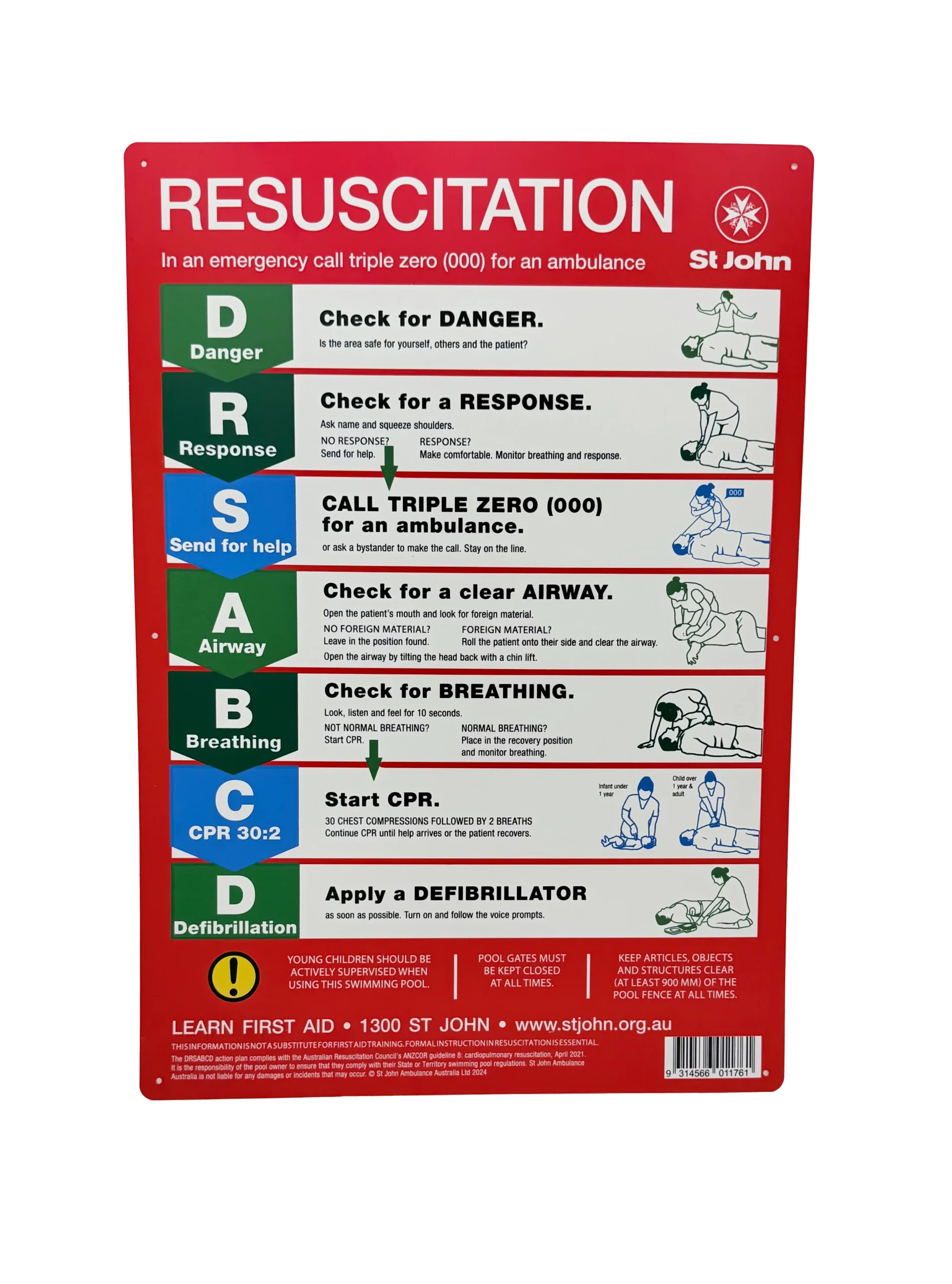
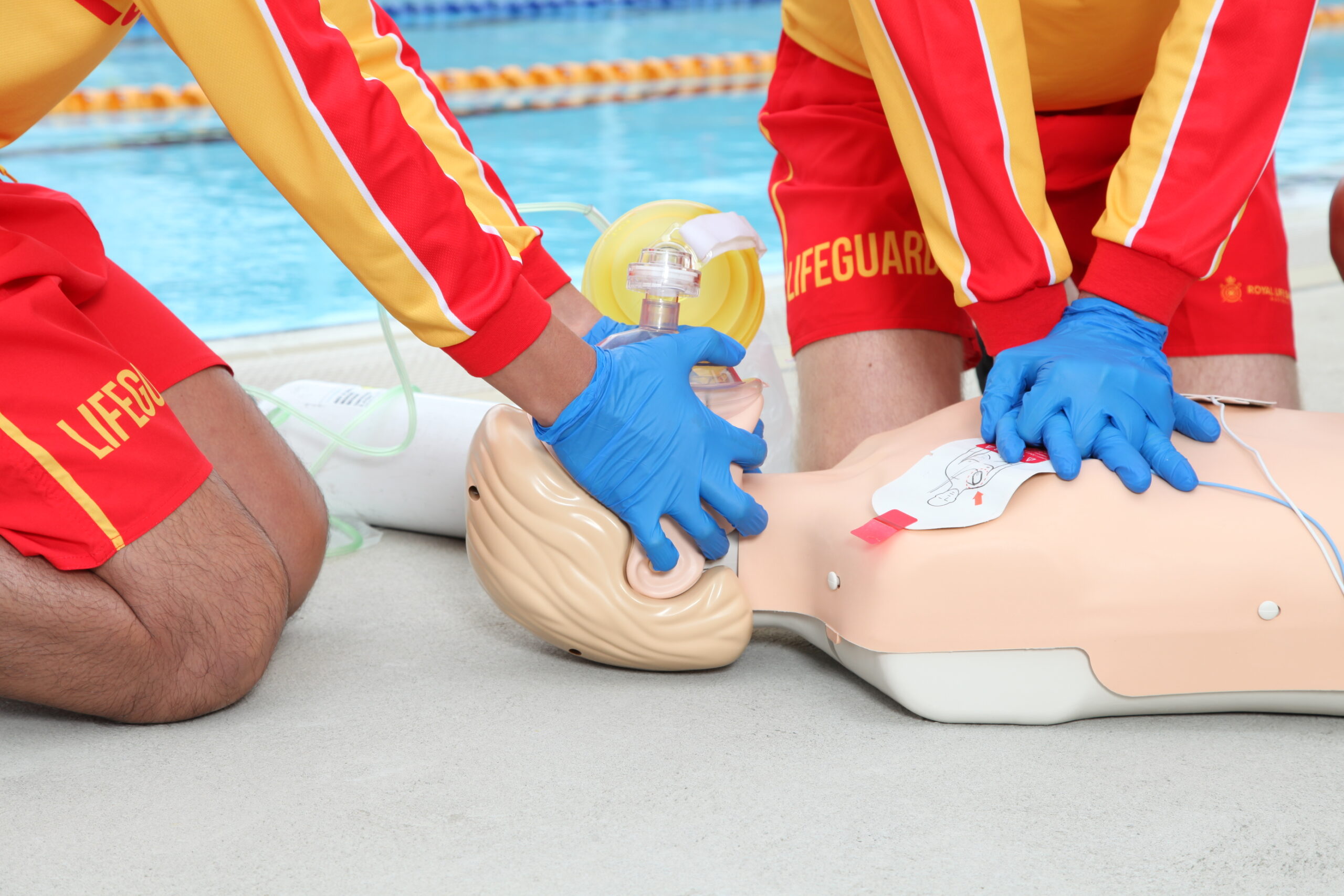
    1. Check for danger
    2. Call for help (000)
    3. Start CPR
    4. Use AED

    👉 Focus on one step at a time.

    ❤️ Tip 5: Remember Why You’re Learning

    You’re not just doing a course.

    You’re learning how to:

    • Save a life
    • Help someone in need
    • Stay calm in emergencies

    👉 That purpose matters more than nerves.

    👨‍🏫 Tip 6: Trust Your Trainer

    Good trainers:

    • Guide you step-by-step
    • Correct gently
    • Create a safe learning environment

    👉 You’re in good hands.

    ⚡ Tip 7: Confidence Comes Quickly

    Most students feel nervous at the start…

    👉 But confident by the end

    Because once you practise:

    • It becomes easier
    • It feels natural
    • You realise you can do it

    🩺 Start Your CPR Training

    Ready to build confidence?

    👉 CPR Course (HLTAID009)

    👉 First Aid Course (HLTAID011)

    🌍 Training Standards & Quality

    Courses align with:

    • training.gov.au
    • Australian Children’s Education & Care Quality Authority

    👉 Ensuring high-quality, recognised training.

    🔁 Quick Confidence Checklist

    • ✅ You don’t need to be perfect
    • ✅ Ask questions freely
    • ✅ Practise as much as possible
    • ✅ Take it step by step
    • ✅ Trust the process

    FAQ Section

    Yes—most students feel this way at the start.

    That’s part of learning—trainers will guide you.

    No—courses are beginner-friendly.

    Usually within one session.

    No—it’s simple once broken into steps.

    ✅ Final Thoughts

    Feeling nervous before CPR training is completely normal.

    But here’s what matters:

    👉 You showed up.

    And by the end of the session, you won’t just feel better—you’ll feel ready.

    Because confidence doesn’t come before action…

    👉 It comes from it.


    🔗 Relevant Authority (Use These)

    ABC First Aid (RTO 3399)

    Nationally recognised training provider:

    “Delivered in partnership with a nationally recognised training provider”


    Training.gov.au

    Official course standards:

    “aligned with official course standards on training.gov.au”

    ACECQA

     ACECQA requirements:

    “meeting ACECQA requirements for educators”

    Australian Resuscitation Council 

     Australian Resuscitation Council guidelines:

    “based on Australian Resuscitation Council guidelines”

  • Why Trainers Use Scenario-Based Learning in First Aid Training

    🎯 Why Trainers Use Scenario-Based Learning in First Aid Training

    You’re in a classroom. You’re listening. Taking notes.

    But then the trainer says:

    👉 “Someone has collapsed. What do you do?”

    Suddenly—it feels real.

    Your heart rate goes up. You think faster. You react.

    That’s the power of scenario-based learning.

    And it’s exactly why trainers across Sydney use it in first aid and CPR courses.

    Let’s break it down 👇

    🧠 What Is Scenario-Based Learning?

    Scenario-based learning means:

    • Learning through real-life simulations
    • Practising real emergencies
    • Making decisions under pressure

    👉 Instead of just learning theory—you experience it

    ⚡ Why It Works So Well

    1. It Feels Real

    When you’re placed in a scenario:

    • You think faster
    • You feel pressure
    • You act like it’s real

    👉 This builds confidence.

    2. It Improves Memory

    People forget lectures—but remember experiences.

    • Hands-on practice sticks
    • Real scenarios create strong recall
    • You’re more likely to act correctly later

    👉 This is critical in emergencies.

    3. It Builds Confidence Under Pressure

    Emergencies are stressful.

    Scenario training helps you:

    • Stay calm
    • Make decisions quickly
    • Take action without hesitation

    👉 Confidence can save lives.

    🩺 How It’s Used in First Aid & CPR Training

    In courses like:

    • Provide First Aid (HLTAID011)
    • CPR (HLTAID009)

    👉 You’ll experience scenarios like:

    • Someone collapsing
    • Choking emergencies
    • Injuries at work

    Learn here:
    https://trainingnsw.org/provide-first-aid-hltaid011/
    https://trainingnsw.org/cpr-hltaid009/

    🎭 Real vs Theory-Based Learning

    Traditional LearningScenario-Based Learning
    PassiveActive
    ListeningDoing
    Easy to forgetEasy to remember
    Low pressureRealistic pressure

    👉 Scenario-based learning wins—every time.

    👥 Why Trainers Prefer This Method

    Trainers use it because:

    • Students engage more
    • Skills improve faster
    • Confidence increases significantly

    👉 It produces real-world readiness

    🌍 Training Standards & Quality

    Scenario-based learning aligns with:

    • training.gov.au
    • Australian Children’s Education & Care Quality Authority

    👉 Ensuring high-quality, practical training.

    🔁 Quick Benefits Summary

    • ✅ More engaging
    • ✅ Better memory retention
    • ✅ Builds confidence
    • ✅ Prepares for real emergencies

    FAQ Section

    Yes—it improves understanding and retention.

    Most high-quality courses do.

    No—it’s guided and beginner-friendly.

    Because CPR requires fast, confident action.

    Absolutely—it prepares you for real situations.

    ✅ Final Thoughts

    When it comes to emergencies, knowing isn’t enough.

    👉 You need to act

    That’s why scenario-based learning in first aid training is so powerful—it prepares you for the moment that matters most.


    🔗 Relevant Authority (Use These)

    ABC First Aid (RTO 3399)

    Nationally recognised training provider:

    “Delivered in partnership with a nationally recognised training provider”


    Training.gov.au

    Official course standards:

    “aligned with official course standards on training.gov.au”

    ACECQA

     ACECQA requirements:

    “meeting ACECQA requirements for educators”

    Australian Resuscitation Council 

     Australian Resuscitation Council guidelines:

    “based on Australian Resuscitation Council guidelines”
  • AED Use on Pregnant Women: Is It Safe? Sydney First Aid Guide

    ⚡ AED Use on Pregnant Women: What’s Safe in an Emergency?


    It’s a situation no one wants to imagine.

    A pregnant woman suddenly collapses. People rush in. Someone brings an AED.

    Then the hesitation kicks in…

    👉 “Is it safe to use this on a pregnant woman?”

    That moment of uncertainty can cost precious time.

    So let’s clear it up—can you safely use an AED on a pregnant woman?

    ❤️ Quick Answer (Important)

    👉 Yes—AEDs are safe to use on pregnant women

    In fact:

    • Not using an AED is far more dangerous
    • The mother’s survival is the top priority
    • Saving the mother gives the baby the best chance

    👉 In an emergency, use the AED immediately

    ⚠️ Why Immediate Action Matters

    Cardiac arrest is life-threatening.

    • Brain damage can begin within minutes
    • Survival decreases every second without CPR/AED

    👉 Acting fast is critical—pregnant or not.

    🧠 Is There Any Risk to the Baby?

    This is the biggest concern people have.

    Here’s the truth:

    • The AED shock is targeted at the mother’s heart
    • It does NOT directly harm the baby
    • Delaying treatment is far more dangerous

    👉 The best way to protect the baby is to save the mother

    📍 How to Use an AED on a Pregnant Woman

    The process is the same as for any adult:

    1. Call 000 immediately
    2. Start CPR
    3. Turn on the AED
    4. Follow voice instructions

    👉 Place pads normally:

    • One on the upper chest
    • One on the side of the chest

    👉 Do NOT delay treatment.

    ⚠️ Extra Consideration: Positioning

    If possible:

    • Slightly tilt the woman to the left side

    👉 This helps improve blood flow during CPR.

    ❤️ Combine CPR + AED for Best Outcome

    Best response includes:

    • Immediate CPR
    • Rapid AED use

    👉 Learn here:
    CPR Course (HLTAID009)
    First Aid Course (HLTAID011)

    🌍 What Do Guidelines Say?

    AED use aligns with guidance from:

    • training.gov.au
    • Safe Work Australia

    👉 These support AED use in all cardiac arrest cases, including pregnancy.

    🔁 Quick Emergency Checklist

    • ✅ Call 000 immediately
    • ✅ Start CPR
    • ✅ Use AED without hesitation
    • ✅ Follow instructions
    • ✅ Continue until help arrives

    FAQ Section

    No—the AED is safe and necessary in cardiac arrest.

    No—act immediately. Every second counts.

    No—use standard placement.

    Follow the AED—it gives clear voice instructions.

    Yes—it is essential to keep blood flowing.


    🔗 Relevant Authority (Use These)

    ABC First Aid (RTO 3399)

    Nationally recognised training provider:

    “Delivered in partnership with a nationally recognised training provider”


    Training.gov.au

    Official course standards:

    “aligned with official course standards on training.gov.au”

    ACECQA

     ACECQA requirements:

    “meeting ACECQA requirements for educators”

    Australian Resuscitation Council 

     Australian Resuscitation Council guidelines:

    “based on Australian Resuscitation Council guidelines”
  • AEDs in Shopping Centres Sydney | Where to Find & How to Use

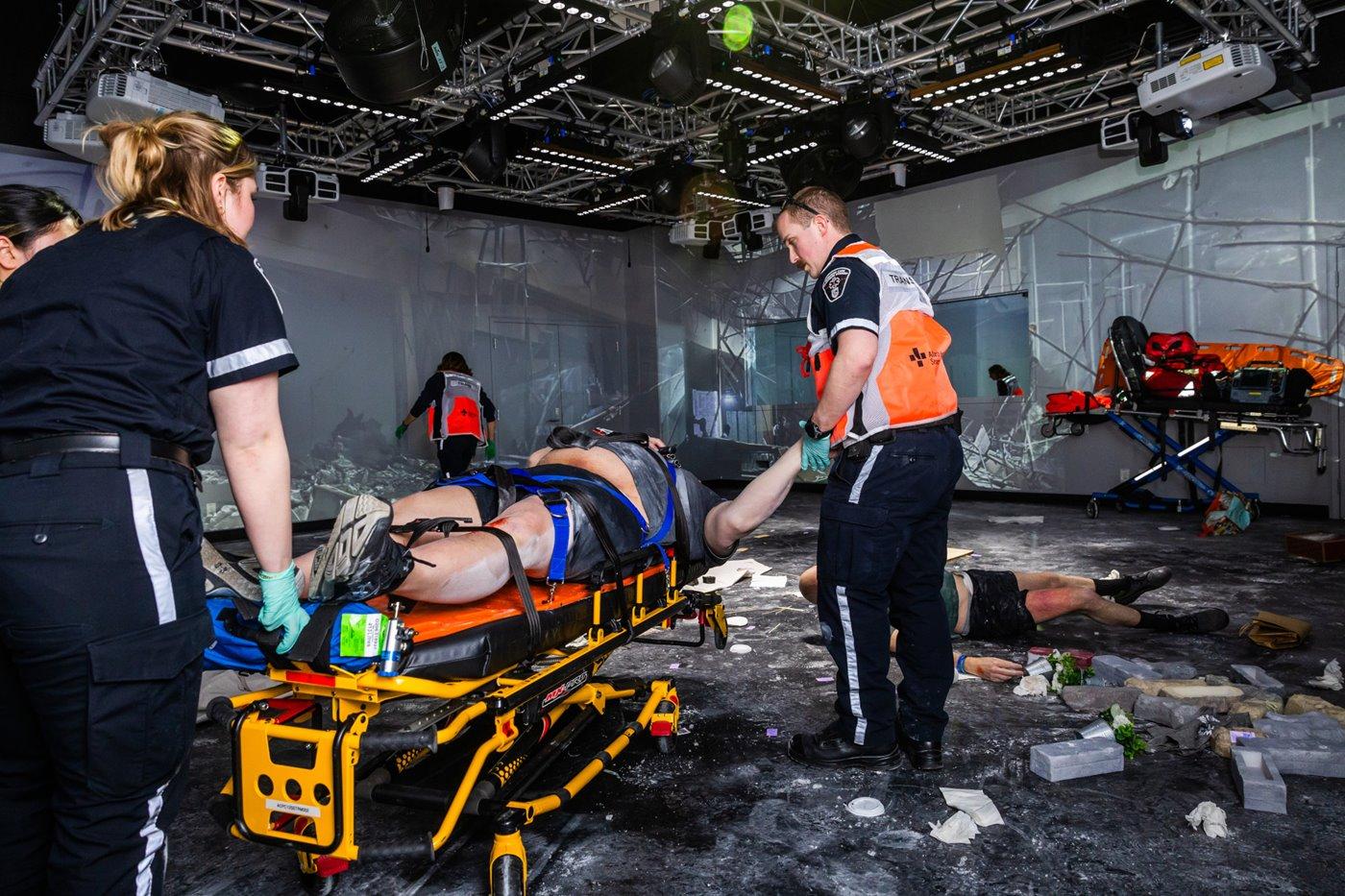
    ⚡ AEDs in Shopping Centres: What You Should Know in Sydney


    It’s a busy day at the shopping centre. People are walking, shopping, eating…

    Then suddenly—someone collapses.

    There’s confusion. Panic. People gather.

    👉 “Is there an AED here?”

    Most people don’t know.

    And in a cardiac emergency, that lack of awareness can cost lives.

    That’s why understanding AEDs in shopping centres in Sydney is so important—not just for staff, but for everyone.

    Let’s break it down 👇

    ❤️ What Is an AED and Why It Matters

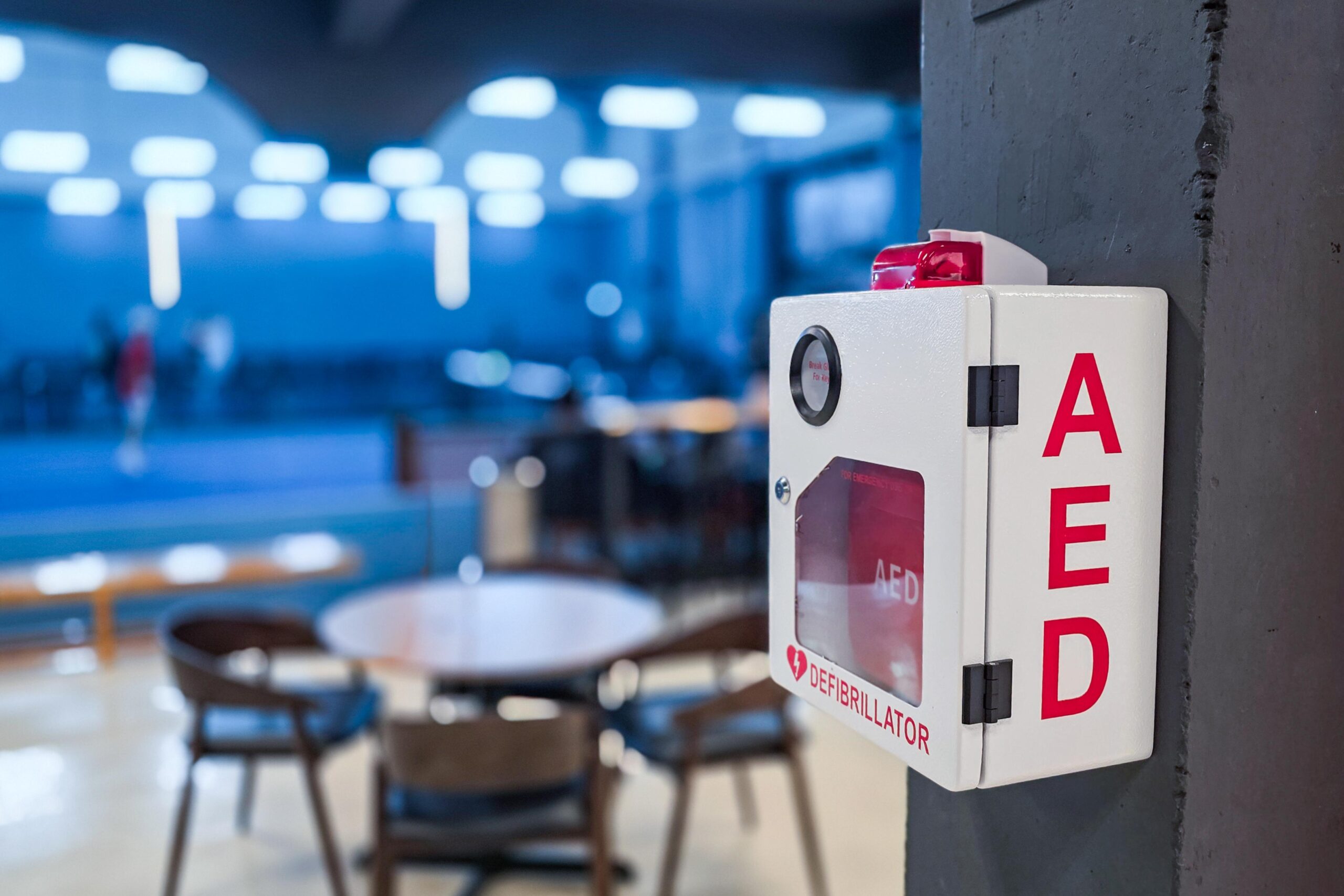
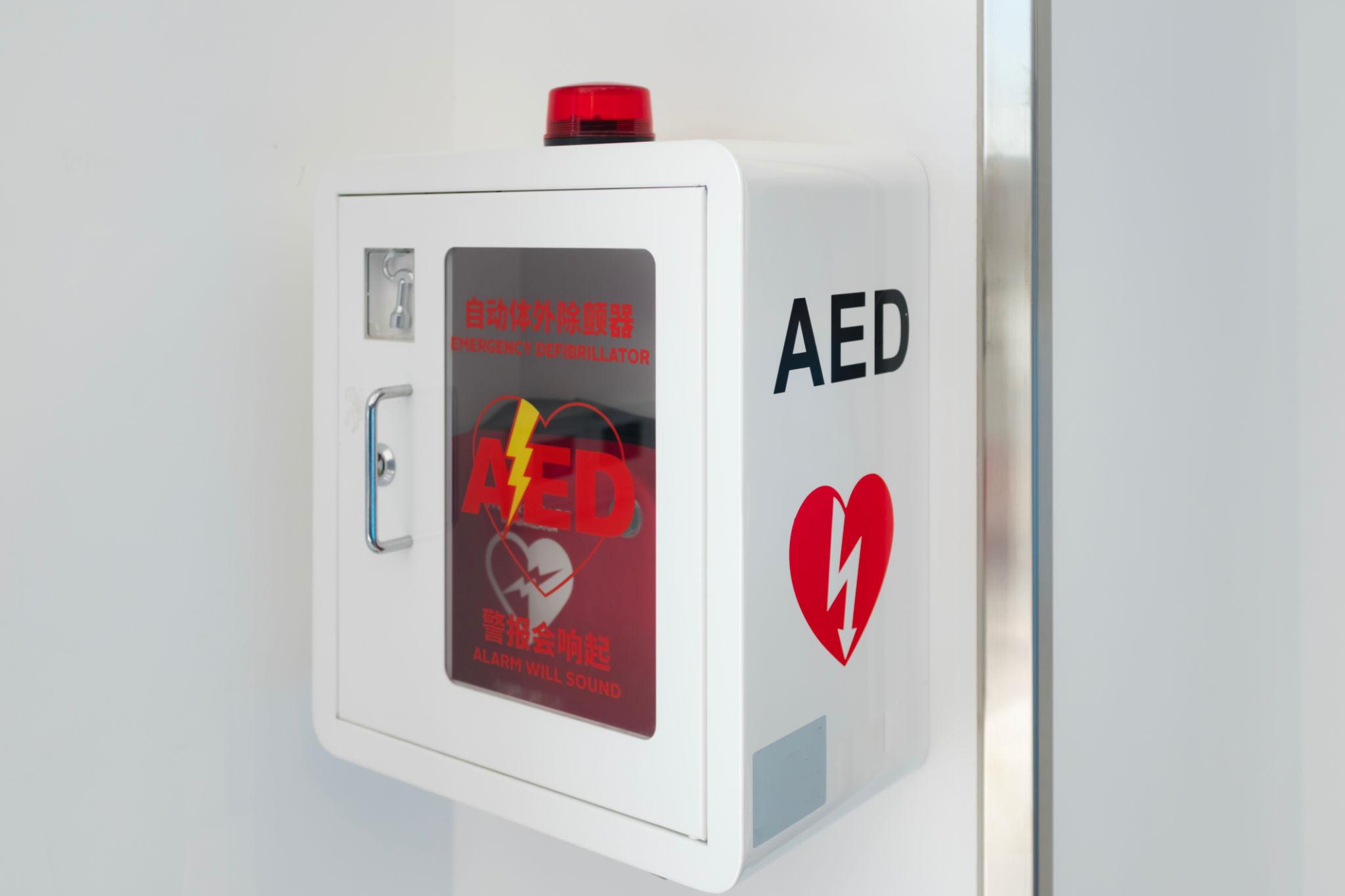
    An AED (Automated External Defibrillator) is a device used to:

    • Restart the heart during sudden cardiac arrest
    • Guide users with voice instructions
    • Deliver a shock if needed

    👉 It’s designed so anyone can use it—even without training

    🏬 Why Shopping Centres Need AEDs

    Shopping centres are high-risk environments because they have:

    • Large crowds
    • Mixed age groups
    • Long walking distances

    👉 This increases the likelihood of medical emergencies.

    Therefore, having accessible AEDs is critical.

    📍 Where Are AEDs Located in Shopping Centres?

    Most Sydney shopping centres place AEDs in:

    • Near customer service desks
    • Food courts
    • Main entrances
    • Security stations

    👉 However, many people still don’t know where to find them.

    ⏱️ Why Speed Matters in Cardiac Arrest

    In a cardiac emergency:

    • Survival drops by 10% every minute without CPR/AED
    • Immediate action is critical

    👉 The faster an AED is used, the higher the chance of survival.

    🧠 Can Anyone Use an AED?

    Yes—AEDs are built for public use.

    They:

    • Give step-by-step voice instructions
    • Only deliver a shock if needed
    • Are safe and easy to use

    👉 You cannot accidentally harm someone using an AED.

    ❤️ What Should You Do in an Emergency?

    If someone collapses in a shopping centre:

    1. Call 000 immediately
    2. Ask someone to locate an AED
    3. Start CPR
    4. Use the AED as soon as it arrives

    👉 Learn CPR here: CPR Course (HLTAID009)

    👉 First Aid training

    👥 Role of Staff and Security

    Shopping centre staff should:

    • Know AED locations
    • Be trained in CPR
    • Respond quickly

    👉 Training significantly improves outcomes.

    🌍 Safety Standards & Awareness

    AED use and placement align with:

    • Safe Work Australia
    • training.gov.au

    👉 Promoting public safety and preparedness.

    🔁 Quick AED Awareness Checklist

    • ✅ Know where AEDs are located
    • ✅ Act quickly in emergencies
    • ✅ Call 000 immediately
    • ✅ Start CPR before AED arrives
    • ✅ Don’t be afraid to help

    FAQ Section

    Most major centres do, but locations vary.

    Yes—AEDs are designed for anyone to use.

    You won’t—the device guides you and only shocks when needed.

    Within minutes—every second counts.

    Yes—start CPR immediately while waiting for the AED.

    ✅ Final Thoughts

    AEDs in shopping centres are life-saving devices—but only if people know they exist and how to use them.

    Because in an emergency, hesitation can cost lives.

    👉 And with just a little awareness, you could be the person who makes the difference.


    🔗 Relevant Authority (Use These)

    ABC First Aid (RTO 3399)

    Nationally recognised training provider:

    “Delivered in partnership with a nationally recognised training provider”


    Training.gov.au

    Official course standards:

    “aligned with official course standards on training.gov.au”

    ACECQA

     ACECQA requirements:

    “meeting ACECQA requirements for educators”

    Australian Resuscitation Council 

     Australian Resuscitation Council guidelines:

    “based on Australian Resuscitation Council guidelines”
  • AED Placement Rules NSW Workplaces | Where to Install AED?

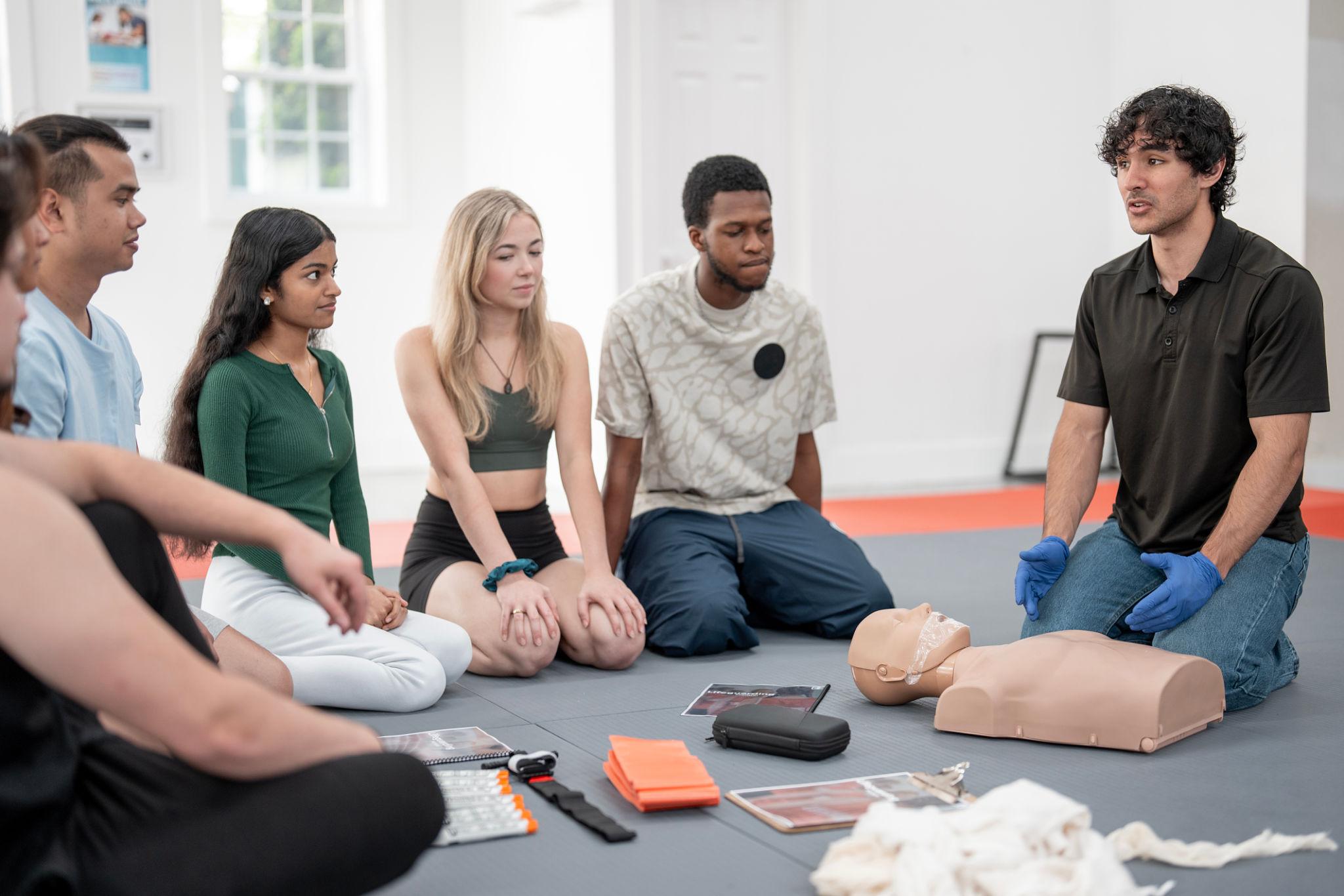
    ⚡ AED Placement Rules for NSW Workplaces: Where Should Defibrillators Be Located?


    It’s a normal workday. Everything feels routine… until someone collapses.

    Panic sets in. People look around.

    👉 “Where’s the AED?”

    No one knows.

    That’s the problem—having an AED isn’t enough.
    If it’s not placed correctly, it might as well not be there at all.

    So, what are the actual AED placement rules for NSW workplaces?

    Let’s break it down simply 👇

    ⚠️ Why AED Placement Matters

    Firstly, in cardiac arrest:

    • Every minute without CPR/AED reduces survival chances
    • Quick access is critical

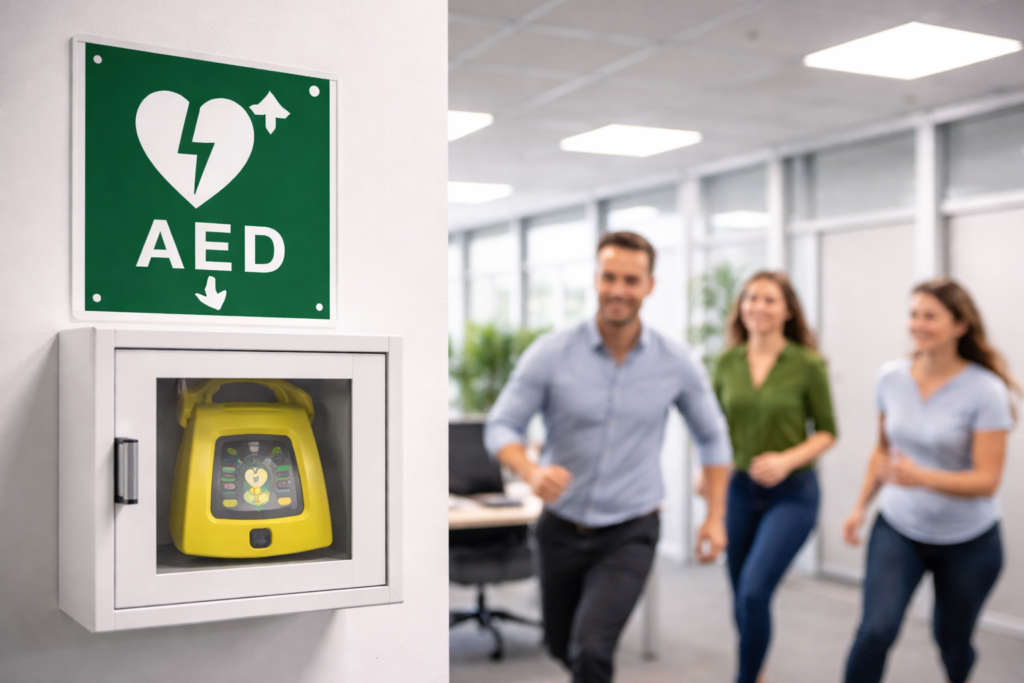
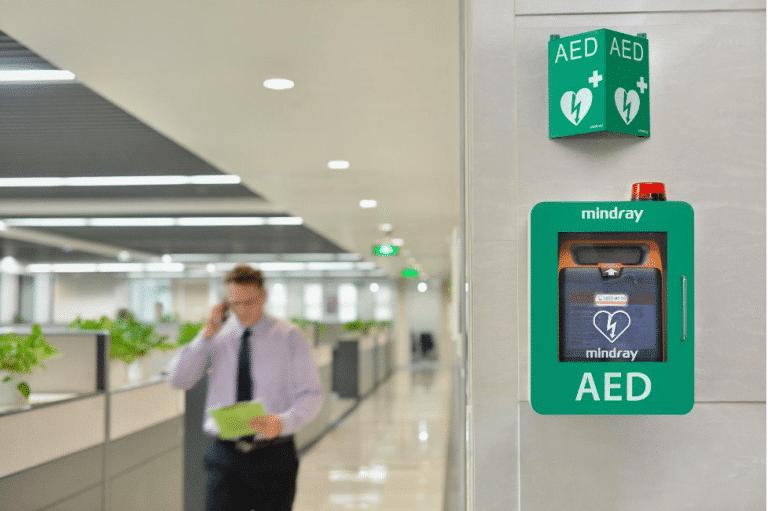
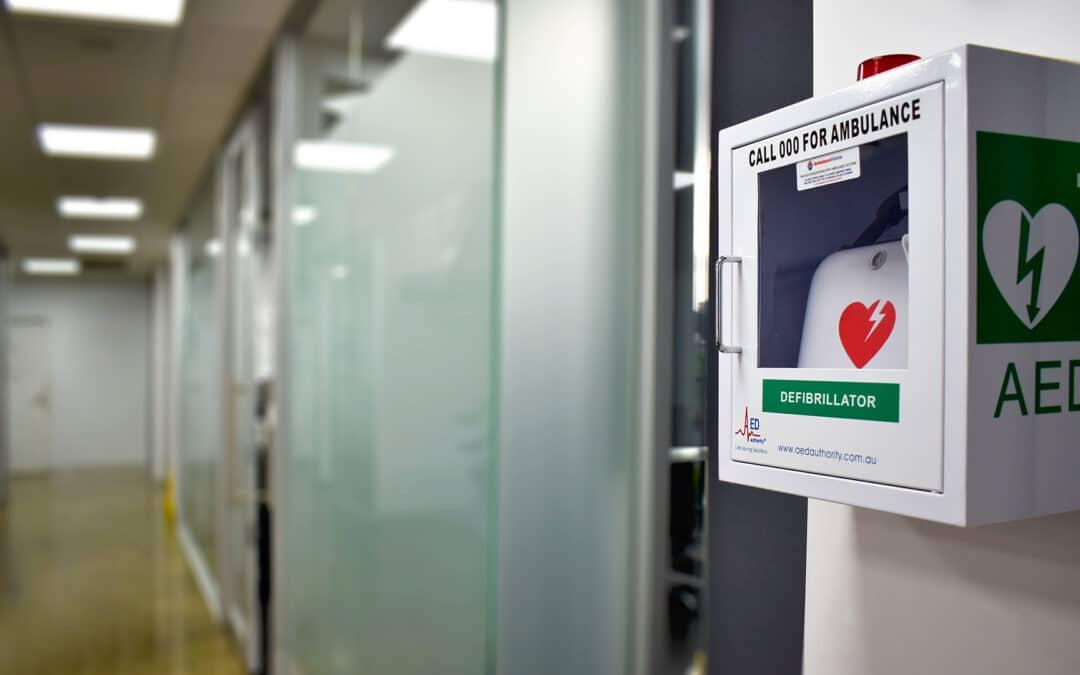
    👉 An AED must be easy to find, easy to access, and ready to use

    📍 1. AED Must Be Easily Accessible

    This is the most important rule.

    • Place AEDs in central locations
    • Ensure access within 1–3 minutes
    • Avoid locked rooms or restricted areas

    👉 If people can’t reach it quickly, it defeats the purpose.

    👀 2. Make It Clearly Visible

    Secondly, visibility is key.

    • Use clear AED signage
    • Mount at eye level
    • Avoid hidden or obstructed areas

    👉 In emergencies, people don’t have time to search.

    .


    🏢 3. Consider Workplace Size & Layout

    Larger workplaces need multiple AEDs.

    • One AED per floor (recommended)
    • Cover high-traffic areas
    • Place near entrances or common zones

    👉 The goal: reduce response time

    🔥 4. High-Risk Areas Need Priority

    Certain areas have higher risk:

    • Gyms and fitness centres
    • Construction sites
    • Warehouses
    • Kitchens

    👉 These areas should always have immediate AED access

    🧠 5. Staff Must Know Where It Is

    Even perfect placement fails if no one knows about it.

    • Train staff on AED location
    • Include it in safety inductions
    • Conduct drills

    👉 Awareness = faster response

    ❤️ 6. Combine AED with CPR Training

    An AED alone isn’t enough.

    • Staff must know how to use it
    • CPR should start immediately

    👉 Learn here:
    CPR Course (HLTAID009)
    First Aid (HLTAID011)

    📋 7. Follow NSW Safety Guidelines

    AED placement aligns with:

    • Safe Work Australia
    • training.gov.au

    👉 While not always mandatory, AEDs are strongly recommended in workplaces.

    🔧 8. Maintenance & Readiness

    An AED must always be ready.

    • Check battery regularly
    • Replace pads when expired
    • Keep unit clean and accessible

    👉 A faulty AED is useless in emergencies.

    🔁 Quick AED Placement Checklist

    • ✅ Accessible within 1–3 minutes
    • ✅ Clearly visible with signage
    • ✅ Located in high-traffic areas
    • ✅ Staff trained and aware
    • ✅ Regularly maintained

    FAQ Section

    Not always, but highly recommended for safety compliance.


    Central, visible, and easily accessible locations.

    Depends on size—larger workplaces need multiple units.

    Yes—AEDs are designed for public use.

    Yes—CPR and AED training improves response outcomes.

    ✅ Final Thoughts

    Having an AED in your workplace is powerful—but only if it’s placed correctly.

    Because in a real emergency, seconds matter.

    👉 And the difference between life and death could come down to where your AED is located.


    🔗 Relevant Authority (Use These)

    ABC First Aid (RTO 3399)

    Nationally recognised training provider:

    “Delivered in partnership with a nationally recognised training provider”


    Training.gov.au

    Official course standards:

    “aligned with official course standards on training.gov.au”

    ACECQA

     ACECQA requirements:

    “meeting ACECQA requirements for educators”

    Australian Resuscitation Council 

     Australian Resuscitation Council guidelines:

    “based on Australian Resuscitation Council guidelines”
  • First Aid Courses Sydney: HLTAID011 vs HLTAID012 Explained

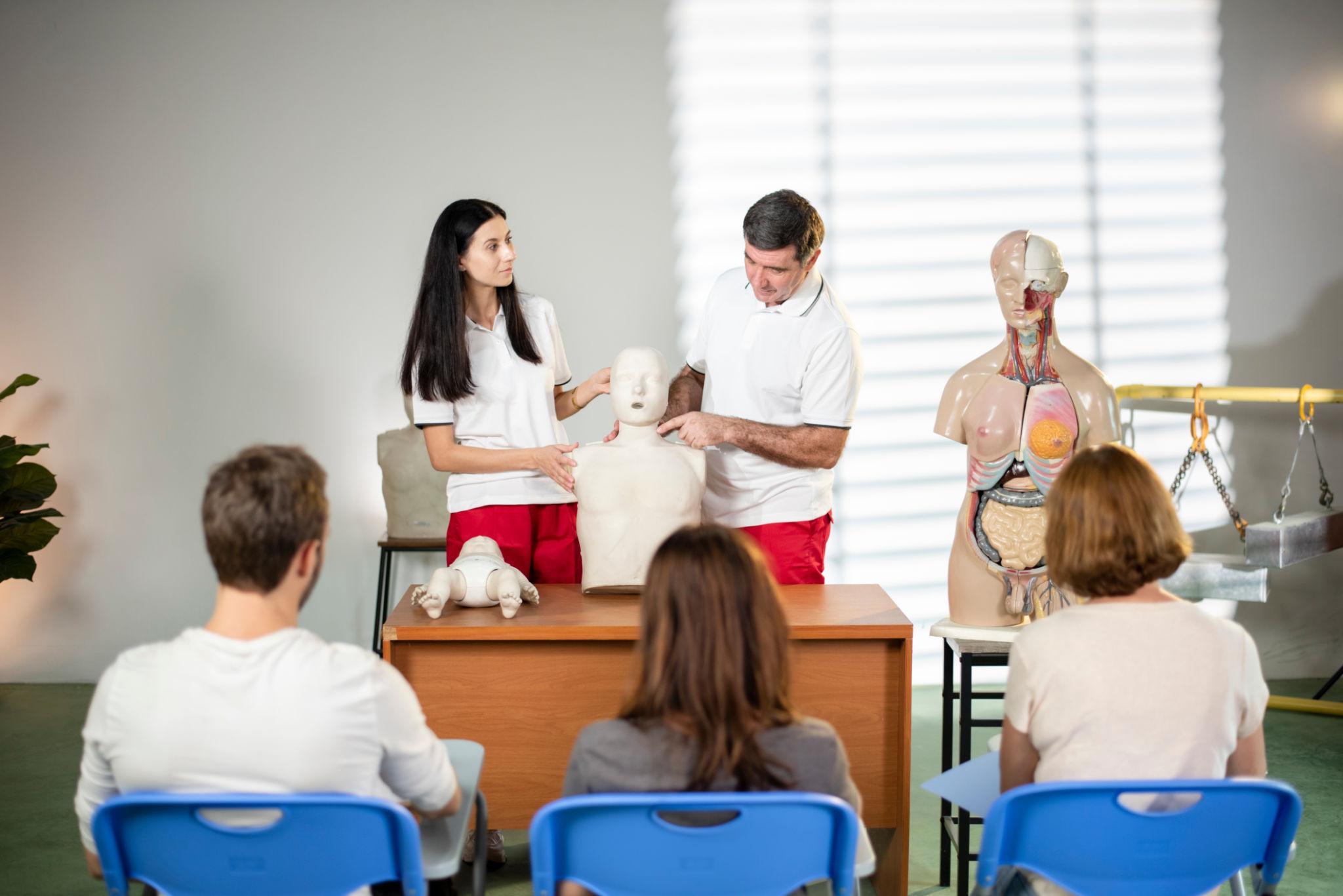
    🩺 HLTAID011 vs HLTAID012: Which Do You Need in Sydney?


    You’ve decided to get first aid certified—that’s a smart move.

    But then you see two options:
    HLTAID011 and HLTAID012

    They look almost the same… so what’s the difference?

    And more importantly—which one do YOU actually need?

    Choosing wrong could mean:

    • ❌ Not meeting job requirements
    • ❌ Wasting time and money
    • ❌ Having to redo the course

    Let’s make this simple 👇

    ⚡ Quick Answer (Most People Only Need This)

    👉 HLTAID011 – Provide First Aid
    Best for: general jobs, workplaces, and everyday safety

    👉 HLTAID012 – Childcare First Aid
    Required for: childcare, education, and working with kids

    👉 Still unsure? Keep reading.

    🧠 What is HLTAID011 – Provide First Aid?

    HLTAID011 is the standard first aid course used across most industries.

    It covers:

    • CPR (HLTAID009)
    • Basic life support
    • Burns, bleeding, fractures
    • Medical emergencies (asthma, anaphylaxis)

    👉 This is the most popular course in Sydney

    🔗 Learn more

    👶 What is HLTAID012 – Childcare First Aid?

    HLTAID012 is designed for people working with children.

    It includes everything in HLTAID011 PLUS:

    • Infant and child CPR
    • Child-specific emergencies
    • Childcare compliance requirements

    👉 This is mandatory for childcare roles

    🔗 Learn more

    🔍 Key Differences (Simple Table)

    FeatureHLTAID011HLTAID012
    Who it’s forGeneral public & workplacesChildcare & educators
    CPR included✅ Yes✅ Yes
    Infant/child focus❌ No✅ Yes
    Meets childcare requirements❌ No✅ Yes
    Most common useJobs & safetyChildcare compliance

    👉 Think of HLTAID012 as HLTAID011 + child-focused training

    🎯 Which One Should You Choose?

    ✅ Choose HLTAID011 if you are:

    • A tradie
    • Support or disability worker
    • Gym trainer
    • Office worker
    • Healthcare worker

    👶 Choose HLTAID012 if you are:

    • A childcare worker
    • Early childhood educator
    • OSHC staff
    • Working closely with children

    👉 If kids are part of your job → go with HLTAID012

    ⚠️ Common Mistakes to Avoid

    • ❌ Booking HLTAID011 for childcare jobs
    • ❌ Assuming both courses are the same
    • ❌ Not checking employer requirements

    👉 This is where most people go wrong.

    ⏱️ Course Duration & Validity

    Both courses:

    • ⏱️ Fast and practical
    • 📄 Certificate issued quickly
    • ⏳ Valid for 3 years (CPR renewed yearly)

    ❤️ Need CPR Only?

    If you only need CPR:

    👉 HLTAID009 – Provide CPR

    🌍 National Standards

    Courses follow:

    • training.gov.au
    • Australian Children’s Education & Care Quality Authority

    👉 Meaning your certification is recognised across Australia.

    🔁 Quick Decision Guide

    • Want general certification? → HLTAID011
    • Working with children? → HLTAID012

    👉 Simple.

    FAQ Section 

    Not better—just specialised for childcare.

    Yes—both include HLTAID009.

    No—HLTAID012 is required.

    HLTAID011—it suits most people.

    Yes, but it’s better to choose correctly first.

    ✅ Final Thoughts

    Choosing between HLTAID011 vs HLTAID012 in Sydney doesn’t have to be confusing.

    It comes down to one simple question:

    👉 Do you work with children?

    If yes → HLTAID012
    If no → HLTAID011


    🔗 Relevant Authority (Use These)

    ABC First Aid (RTO 3399)

    Nationally recognised training provider:

    “Delivered in partnership with a nationally recognised training provider”


    Training.gov.au

    Official course standards:

    “aligned with official course standards on training.gov.au”

    ACECQA

     ACECQA requirements:

    “meeting ACECQA requirements for educators”

    Australian Resuscitation Council 

     Australian Resuscitation Council guidelines:

    “based on Australian Resuscitation Council guidelines”
  • Back-to-School Safety Tips Sydney: Keep Your Child Safe This School Year

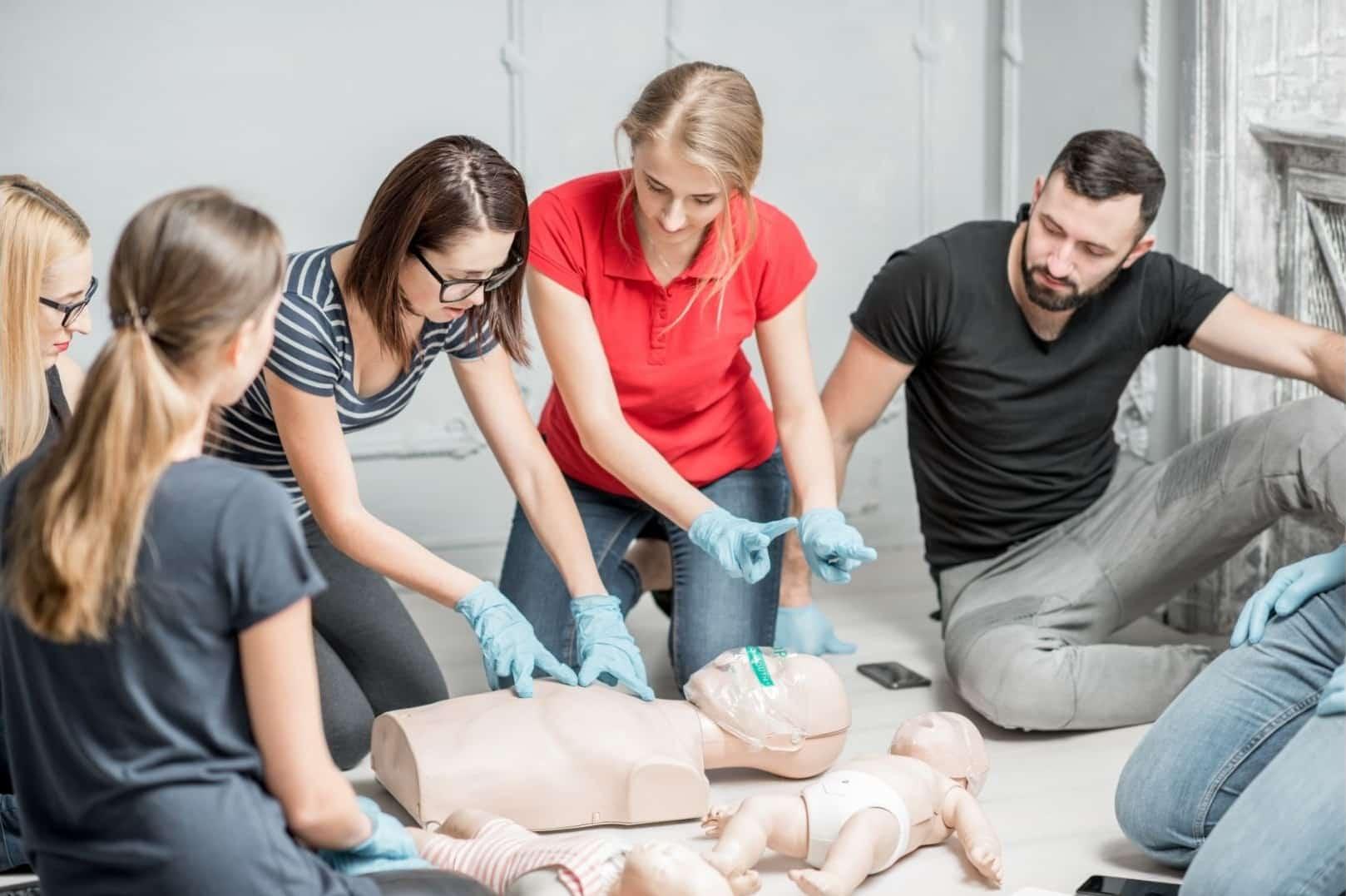
    🎒 Back-to-School Safety Tips in Sydney: Keep Your Child Safe This School Year


    The alarm goes off. Lunch is packed. Bags are zipped.

    It’s the first week back at school in Sydney—and everything feels routine.

    But then it happens…
    A rushed crossing. A forgotten helmet. A fall in the playground.

    Most school accidents don’t happen because of big mistakes—they happen because of small things we overlook.

    That’s why knowing the right back-to-school safety tips in Sydney can make all the difference.

    Let’s break it down 👇

    🚸 Why Back-to-School Safety Matters

    Firstly, the return to school brings:

    • Increased traffic
    • Busy routines
    • Less supervision during transitions

    👉 This creates higher risk for accidents.

    🚶 1. Road Safety Comes First

    Getting to school safely is critical.

    • Always use pedestrian crossings
    • Teach children to look both ways
    • Avoid distractions (phones, headphones)

    👉 Practice the route with younger children.

    🚗 2. Safe Drop-Off and Pick-Up

    School zones can be chaotic.

    • Follow speed limits
    • Use designated drop-off zones
    • Never double park

    👉 Most incidents happen near schools—not on highways.

    🎒 3. Backpack Safety Matters

    Heavy bags can cause injuries.

    • Keep weight under 10–15% of body weight
    • Use both shoulder straps
    • Pack heavier items close to the back

    👉 Small habits prevent long-term strain.

    🛝 4. Playground Awareness

    Playgrounds are fun—but injuries happen.

    • Avoid pushing or rough play
    • Use equipment properly
    • Teach children to be aware of others

    👉 Most school injuries occur during playtime.

    🧼 5. Hygiene & Health Safety

    Back-to-school also means germs spread fast.

    • Encourage hand washing
    • Pack sanitiser
    • Keep sick children at home

    👉 This protects the whole classroom.

    🧠 6. Teach Emergency Awareness

    Children should know basic safety responses.

    • Who to call in an emergency (000)
    • How to ask for help
    • Recognising unsafe situations

    👉 Confidence = safer decisions.

    ❤️ 7. Learn Basic First Aid

    Accidents can happen anytime.

    If a child gets injured:

    • Stay calm
    • Assess the situation
    • Apply basic first aid

    👉 Learn life-saving skills here:
    Provide First Aid (HLTAID011
    CPR Course (HLTAID009)

    👶 For Parents & Caregivers

    If your child is in care or education settings:

    👉 Child Protection Course (Accredited)

    👉 Helps ensure safety and compliance.

    🌍 Safety Standards & Awareness

    Back-to-school safety aligns with:

    • Australian Children’s Education & Care Quality Authority
    • training.gov.au

    👉 Supporting safe learning environments.

    🔁 Quick Back-to-School Safety Checklist

    • ✅ Practice safe road crossing
    • ✅ Follow school zone rules
    • ✅ Keep backpacks light
    • ✅ Encourage hygiene habits
    • ✅ Teach emergency awareness

    FAQ Section

    Road safety—especially during drop-off and pick-up times.

    Teach awareness, safe habits, and basic emergency responses.

    Yes—heavy bags can cause strain and injury over time.

    Absolutely—it helps you respond quickly to injuries.

    How to call 000 and seek help from a trusted adult.

    ✅ Final Thoughts

    Back-to-school season is exciting—but safety should always come first.

    Because with just a few simple habits, you can protect your child every single day.

    👉 And when your child feels safe, they can focus on what really matters—learning and growing.


    🔗 Relevant Authority (Use These)

    ABC First Aid (RTO 3399)

    Nationally recognised training provider:

    “Delivered in partnership with a nationally recognised training provider”


    Training.gov.au

    Official course standards:

    “aligned with official course standards on training.gov.au”

    ACECQA

     ACECQA requirements:

    “meeting ACECQA requirements for educators”

    Australian Resuscitation Council 

     Australian Resuscitation Council guidelines:

    “based on Australian Resuscitation Council guidelines”

  • BBQ Safety Tips for Families in Sydney | Stay Safe This Summer

    🔥 BBQ Safety Tips for Families in Sydney: Stay Safe This Summer


    It’s a warm Sydney afternoon. The BBQ is fired up, kids are playing, and everyone’s relaxed.

    Then suddenly—someone yells. A flare-up. A burnt hand. Panic.

    The truth is, BBQ accidents happen fast—and often when no one is expecting them.

    That’s why knowing simple BBQ safety tips for families in Sydney can make all the difference between a great day… and an emergency.

    Let’s break it down 👇

    🍖 Why BBQ Safety Matters More Than You Think

    Firstly, BBQs are one of the most common causes of:

    • Burns
    • Fire hazards
    • Gas-related incidents

    Especially during summer, when usage increases.

    👉 Most accidents happen due to small mistakes

    🔥 1. Never Leave the BBQ Unattended

    This is the #1 rule.

    • Stay near the grill at all times
    • Turn it off properly after use
    • Keep a close eye when cooking

    👉 Even a few seconds can lead to flare-ups or fires.

    🚸 2. Keep Kids and Pets at a Safe Distance

    Curiosity and heat don’t mix.

    • Create a “safe zone” (at least 1 metre away)
    • Supervise children at all times
    • Avoid running near the BBQ

    👉 Most burn injuries involve children getting too close.

    🧯 3. Be Prepared for Fires

    Accidents happen—but preparation saves lives.

    Have nearby:

    • Fire extinguisher
    • Fire blanket
    • Water source (if safe to use)

    👉 Never use water on grease fires—it can make things worse.

    🧠 4. Know Basic First Aid for Burns

    If someone gets burned:

    1. Cool the burn under running water (20 minutes)
    2. Remove tight items (rings, watches)
    3. Cover with a clean dressing

    👉 Learn more here:
    Provide First Aid (HLTAID011)
    CPR Course (HLTAID009)

    ⛽ 5. Check Gas Connections Before Use

    Gas leaks are a hidden danger.

    • Inspect hoses for cracks
    • Ensure connections are tight
    • Turn off gas after cooking

    👉 If you smell gas—stop immediately.

    🌬️ 6. Be Mindful of Wind and Environment

    Additionally, outdoor conditions matter.

    • Avoid BBQing in strong winds
    • Keep away from flammable items
    • Position BBQ on stable ground

    👉 Wind can spread flames quickly.

    🍗 7. Avoid Overloading the Grill

    Too much food = more grease = higher fire risk.

    • Cook in batches
    • Trim excess fat
    • Clean grill regularly

    👉 This reduces flare-ups significantly.

    👶 Extra Care for Families with Children

    If you’re hosting families:

    • Assign one adult as the “BBQ supervisor”
    • Keep play areas separate
    • Avoid distractions (phones, alcohol)

    👉 Safety starts with responsibility.

    🌍 Safety Standards & Awareness

    BBQ and fire safety awareness aligns with:

    • training.gov.au
    • Australian Children’s Education & Care Quality Authority

    👉 Especially important in family and childcare environments.

    🔁 Quick BBQ Safety Checklist

    • ✅ Never leave BBQ unattended
    • ✅ Keep kids and pets away
    • ✅ Check gas connections
    • ✅ Have fire safety tools ready
    • ✅ Know basic first aid

    FAQ Section

    Leaving the BBQ unattended—this causes most accidents.

    No—especially grease fires. Use a fire blanket or extinguisher.

    Cool under running water for 20 minutes and cover it.

    Yes, if supervised and a safe distance is maintained.

    Absolutely—it can prevent minor injuries from becoming serious.

    ✅ Final Thoughts

    BBQs are a big part of Sydney summers—but safety should always come first.

    Because with just a few simple precautions, you can enjoy your time with family without the risk.

    👉 And when you’re prepared, you’re in control.


    🔗 Relevant Authority (Use These)

    ABC First Aid (RTO 3399)

    Nationally recognised training provider:

    “Delivered in partnership with a nationally recognised training provider”


    Training.gov.au

    Official course standards:

    “aligned with official course standards on training.gov.au”

    ACECQA

     ACECQA requirements:

    “meeting ACECQA requirements for educators”

    Australian Resuscitation Council 

     Australian Resuscitation Council guidelines:

    “based on Australian Resuscitation Council guidelines”
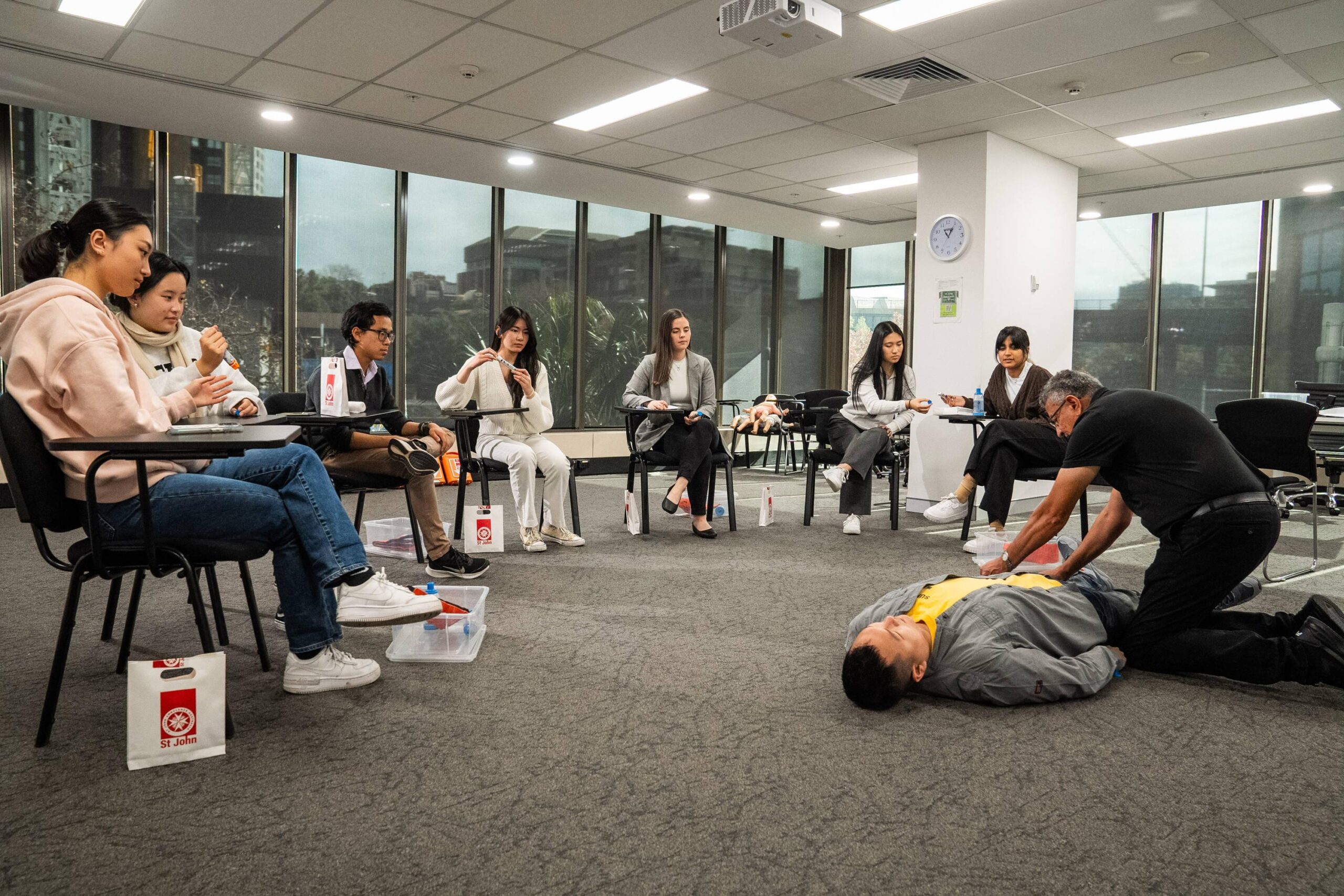
  • Pool Safety Rules for Summer Sydney | Stay Safe Around Pools

    🏊 Pool Safety Rules for Summer: Essential Tips to Prevent Accidents in Sydney


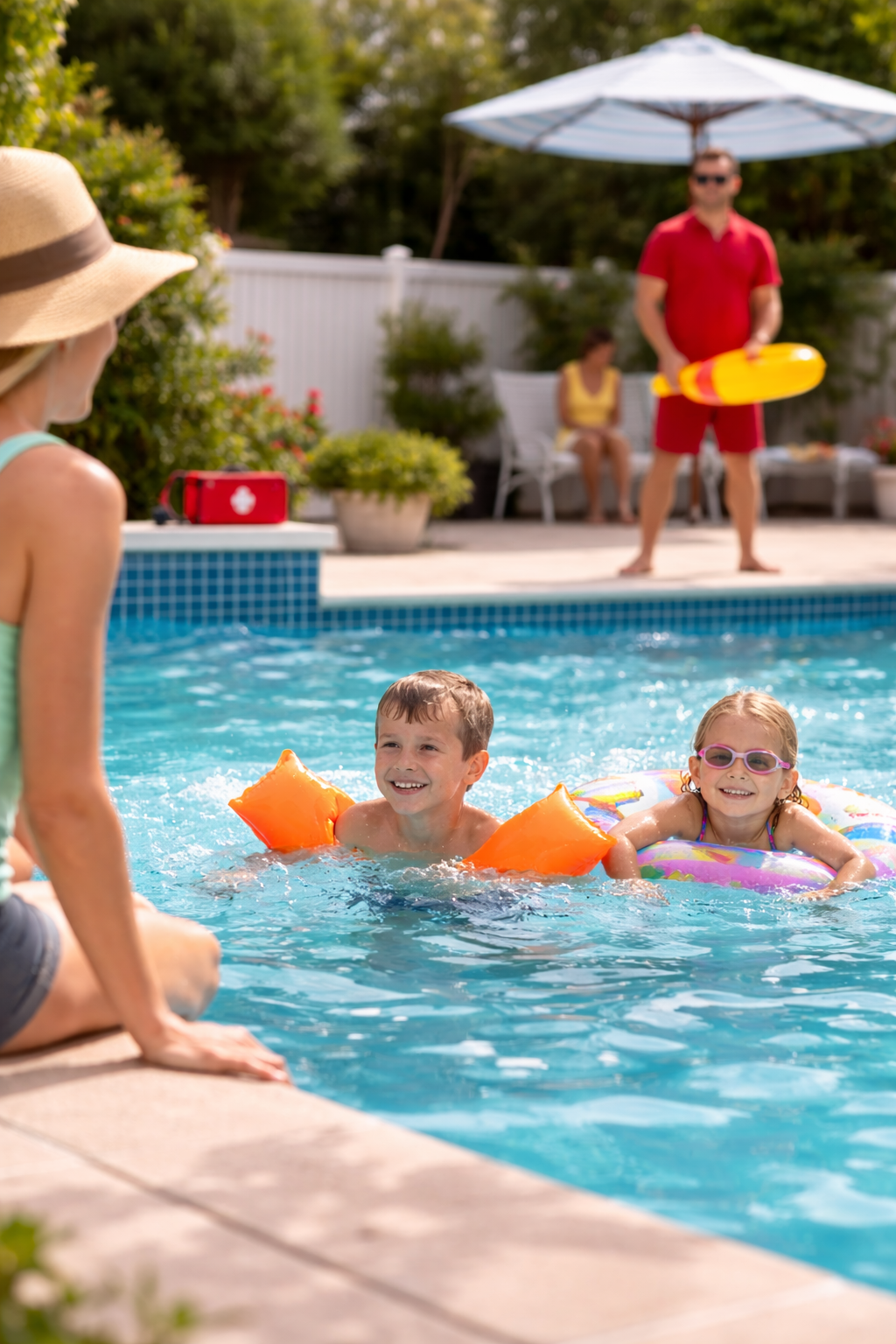
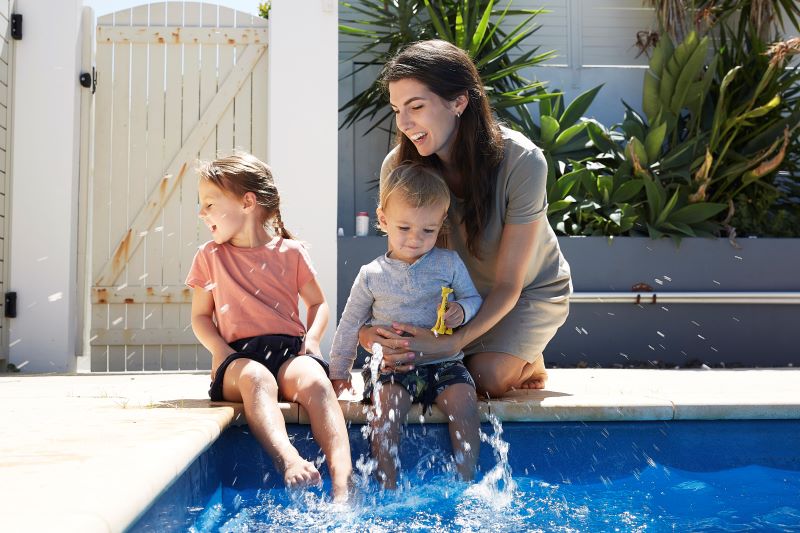
    It’s a typical Sydney summer day—sun out, barbecue on, and the kids are straight in the pool. Everything feels relaxed… until suddenly, things go quiet.

    No splashing. No laughter.

    That’s the scary part—pool accidents don’t look dramatic. They happen quickly, silently, and when you least expect it.

    While summer is the perfect time to enjoy the water, it also comes with real risks—especially for children. That’s why knowing the right pool safety rules for summer in Sydney isn’t just helpful, it’s essential.

    In this guide, you’ll learn simple, practical ways to keep your family safe—so your summer stays fun, not frightening.

    ☀️ Why Pool Safety Matters in Sydney Summers

    Firstly, drowning is one of the leading causes of accidental injury in Australia.

    In particular:

    • Children under 5 are most at risk
    • Backyard pools are common locations
    • Lack of supervision is a major factor

    👉 That’s why strict pool safety rules are critical—especially during summer.

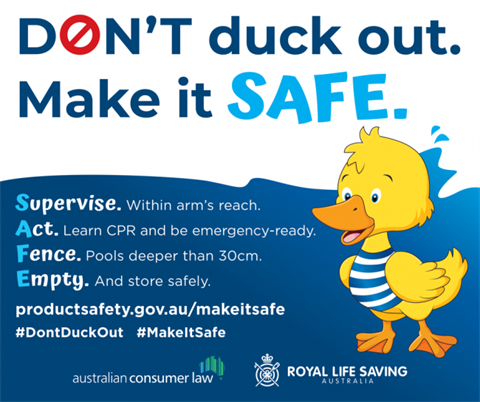
    👀 1. Always Supervise Children

    Above all, supervision saves lives.

    • Never leave children unattended
    • Stay within arm’s reach
    • Avoid distractions like phones

    👉 Even a few seconds can make a difference.

    .


    🚫 2. Secure Pool Areas Properly

    In addition, pool barriers are essential.

    • Install compliant pool fencing
    • Ensure gates are self-closing and self-latching
    • Regularly check for faults

    👉 These measures are required under safety regulations referenced by training.gov.au

    🏊 3. Teach Basic Swimming Skills

    Furthermore, swimming lessons are a must.

    • Enrol children early
    • Teach floating and basic strokes
    • Practice water confidence

    👉 However, swimming ability does NOT replace supervision.

    🧠 4. Know CPR and First Aid

    Importantly, knowing what to do in an emergency can save a life.

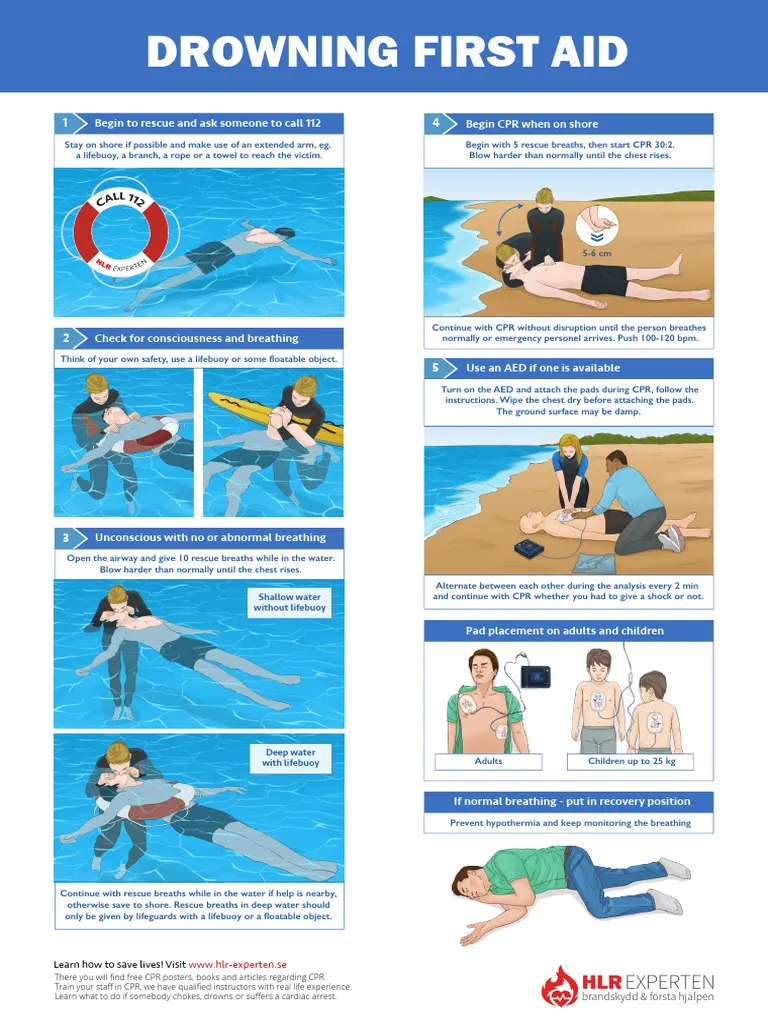
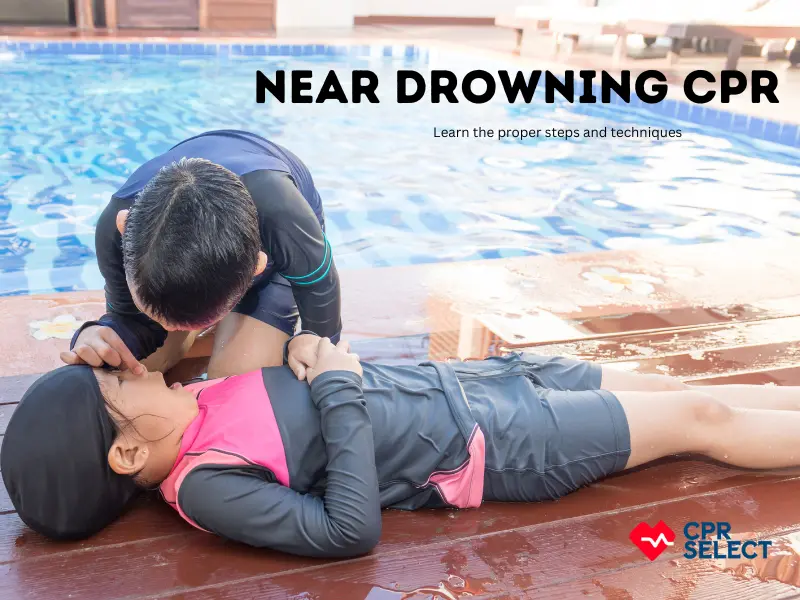
    If someone is pulled from water:

    • Check breathing
    • Start CPR immediately if needed
    • Call emergency services (000)

    👉 Learn life-saving skills here:
    Provide First Aid
    CPR Course

    🚫 5. Avoid Alcohol Around Pools

    Moreover, alcohol increases risk.

    • Slows reaction time
    • Impairs judgment
    • Reduces supervision quality

    👉 Stay alert when responsible for others.

    🧴 6. Be Sun Smart Around Water

    Additionally, sun exposure can affect safety.

    • Use sunscreen (SPF 30+)
    • Wear hats and protective clothing
    • Stay hydrated

    👉 Heat and fatigue can lead to accidents.

    ⚠️ 7. Learn Emergency Response for Drowning

    Drowning is often silent and quick.

    Signs include:

    • Head low in water
    • Gasping or struggling
    • Trying to roll onto back

    👉 Immediate action is critical.

    👶 Special Consideration: Children & Care Environments

    If you work with children:

    👉 Child Protection Course (Accredited):

    👉 Helps ensure safety compliance in childcare and education settings.

    🌍 Pool Safety Standards & Compliance

    Pool safety aligns with guidance from:

    • Australian Children’s Education & Care Quality Authority
    • ABC First Aid

    👉 Ensuring safe environments for families and communities.

    🔁 Quick Pool Safety Checklist

    To summarise:

    • ✅ Supervise children at all times
    • ✅ Secure pool fencing and gates
    • ✅ Teach swimming skills early
    • ✅ Know CPR and first aid
    • ✅ Avoid alcohol while supervising

    FAQ Section

    Constant supervision – especially for children.


    Yes. Proper barriers significantly reduce drowning risk.

    No. Even strong swimmers need supervision.

    Call 000 immediately and begin CPR if necessary.

    Highly recommended – it can save lives in emergencies.

    rdion Content

    ✅ Final Thoughts

    Ultimately, pool safety rules for summer are about awareness, preparation, and responsibility.

    Because while pools bring joy, safety ensures that enjoyment lasts.

    👉 With the right precautions—and proper training—you can enjoy summer with confidence.

    🔗 Relevant Authority (Use These)

    ABC First Aid (RTO 3399)

    Nationally recognised training provider:

    “Delivered in partnership with a nationally recognised training provider”


    Training.gov.au

    Official course standards:

    “aligned with official course standards on training.gov.au”

    ACECQA

     ACECQA requirements:

    “meeting ACECQA requirements for educators”

    Australian Resuscitation Council 

     Australian Resuscitation Council guidelines:

    “based on Australian Resuscitation Council guidelines”