Tag: first aid certification Australia

  • First Aid Courses Sydney: HLTAID011 vs HLTAID012 Explained

    🩺 HLTAID011 vs HLTAID012: Which Do You Need in Sydney?
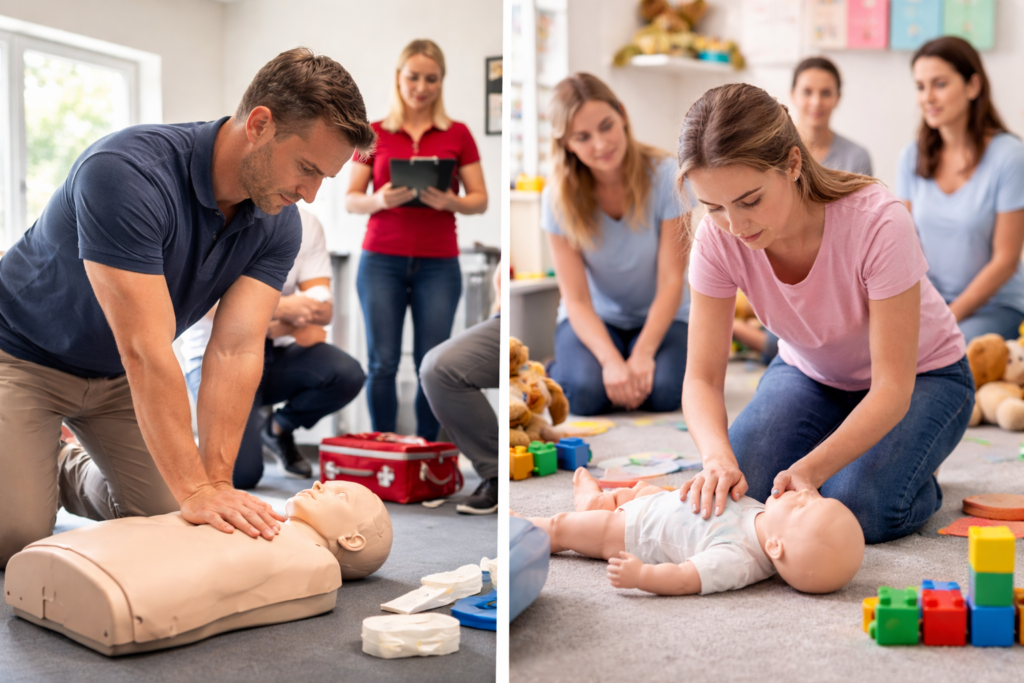
     

    You’ve decided to get first aid certified—that’s a smart move.

    But then you see two options:
    HLTAID011 and HLTAID012

    They look almost the same… so what’s the difference?

    And more importantly—which one do YOU actually need?

    Choosing wrong could mean:

    • ❌ Not meeting job requirements
    • ❌ Wasting time and money
    • ❌ Having to redo the course

    Let’s make this simple 👇

    ⚡ Quick Answer (Most People Only Need This)

    👉 HLTAID011 – Provide First Aid
    Best for: general jobs, workplaces, and everyday safety

    👉 HLTAID012 – Childcare First Aid
    Required for: childcare, education, and working with kids

    👉 Still unsure? Keep reading.

    🧠 What is HLTAID011 – Provide First Aid?
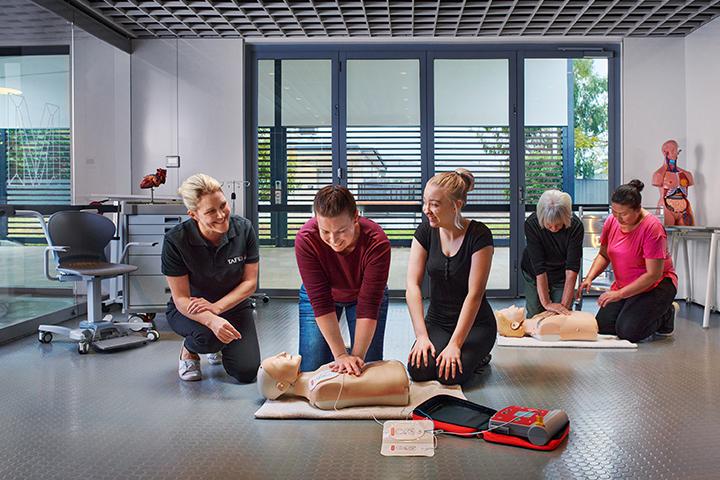
    HLTAID011 is the standard first aid course used across most industries.

    It covers:

    • CPR (HLTAID009)
    • Basic life support
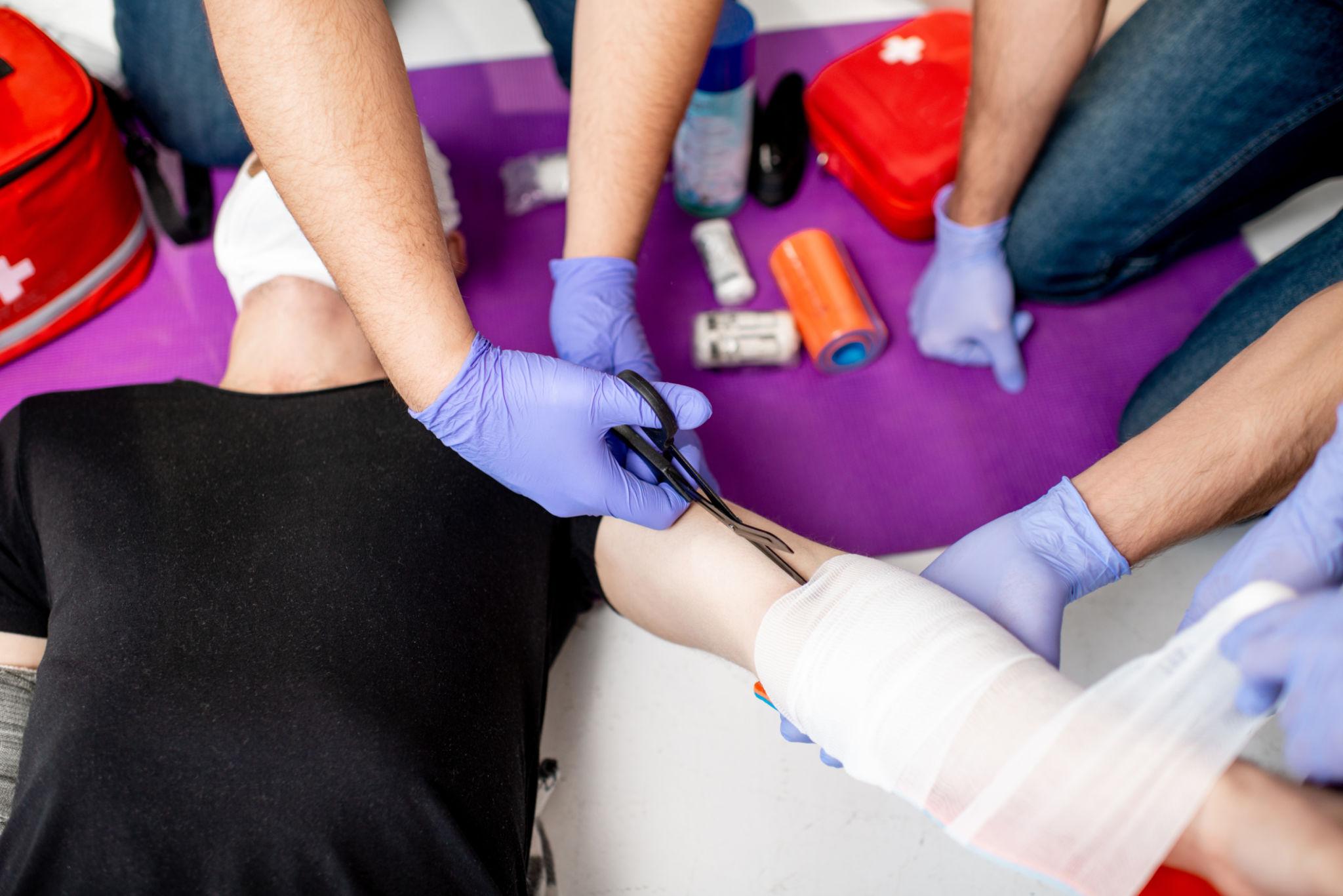
    • Burns, bleeding, fractures
    • Medical emergencies (asthma, anaphylaxis)

    👉 This is the most popular course in Sydney

    🔗 Learn more

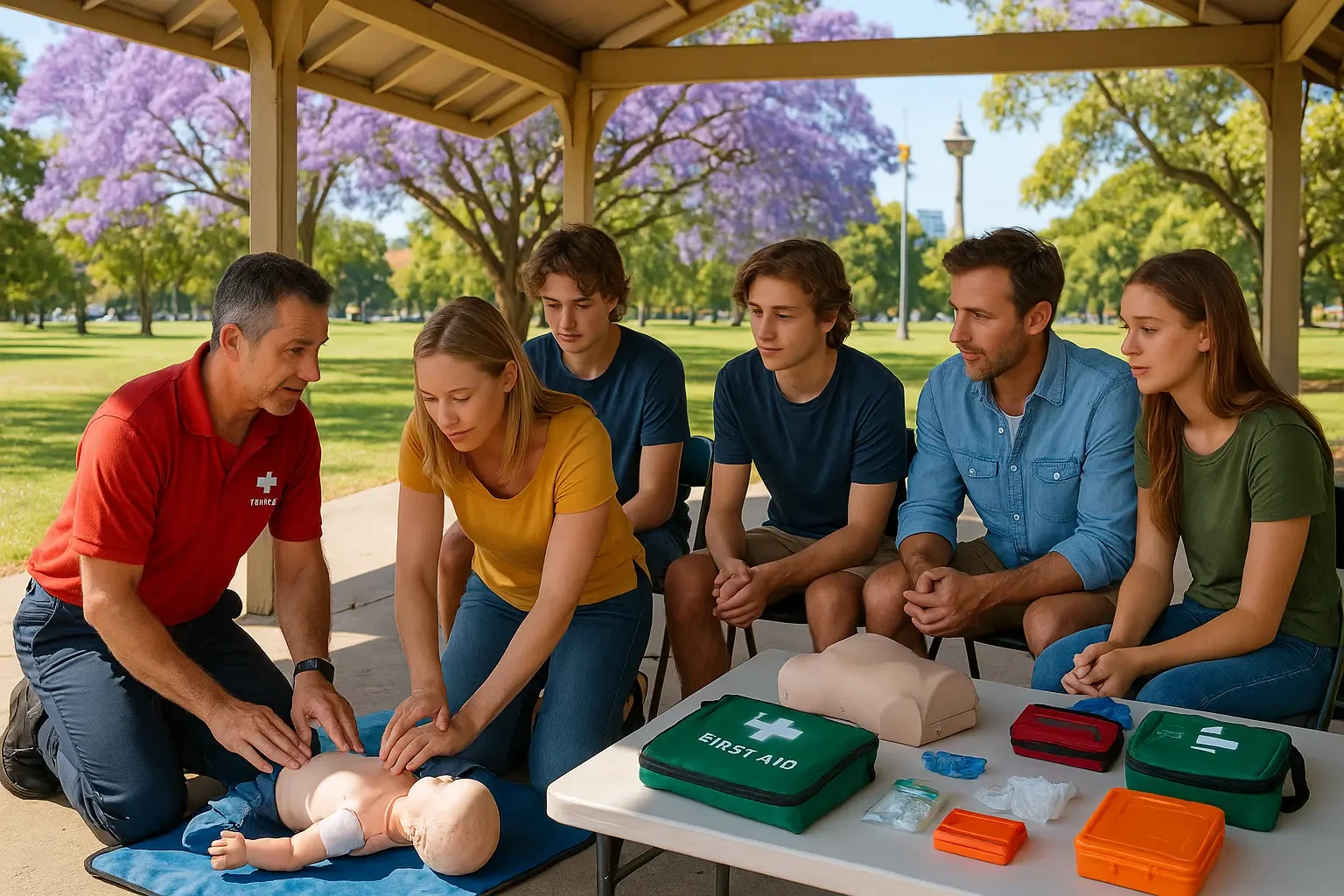
    👶 What is HLTAID012 – Childcare First Aid?
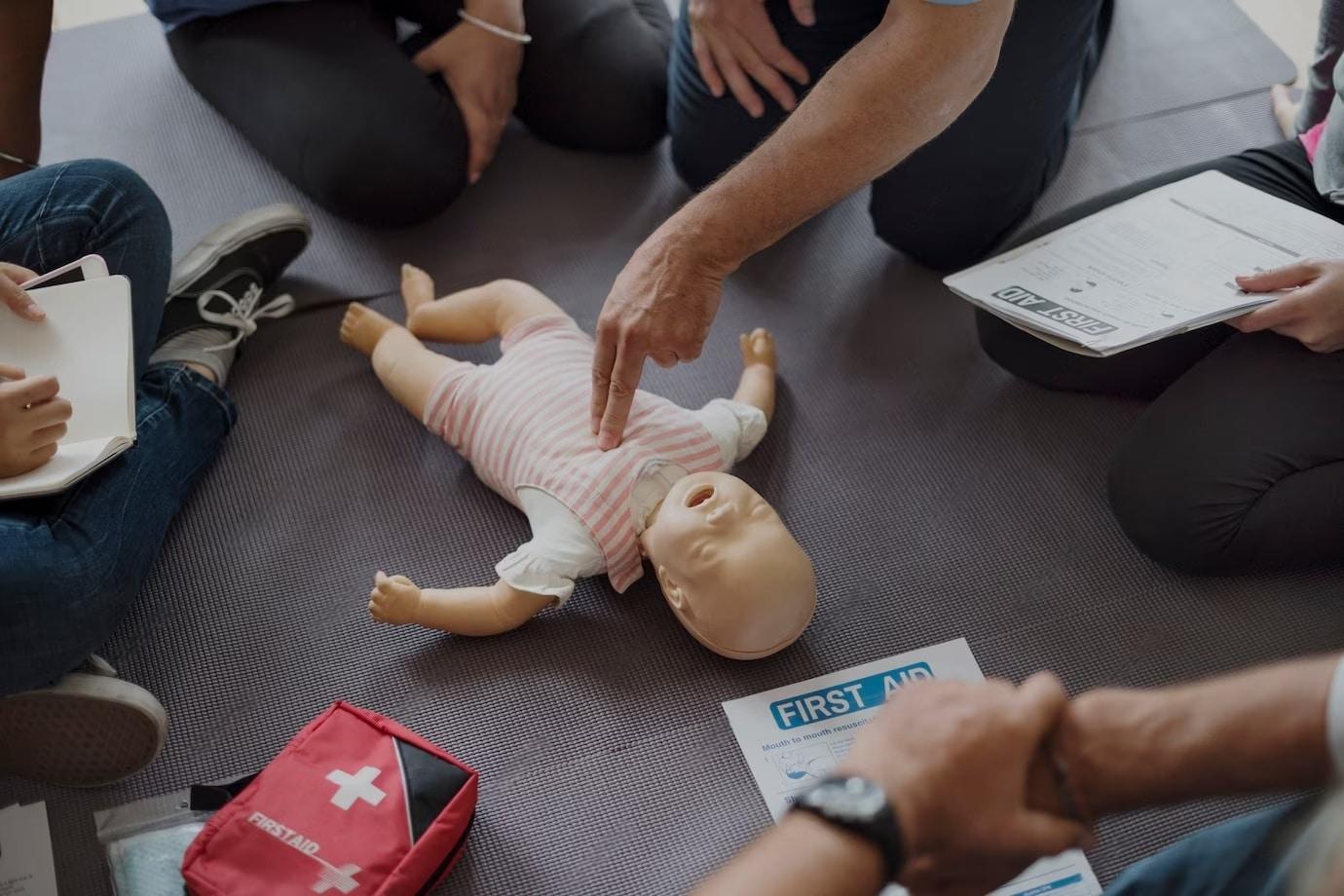
    HLTAID012 is designed for people working with children.

    It includes everything in HLTAID011 PLUS:

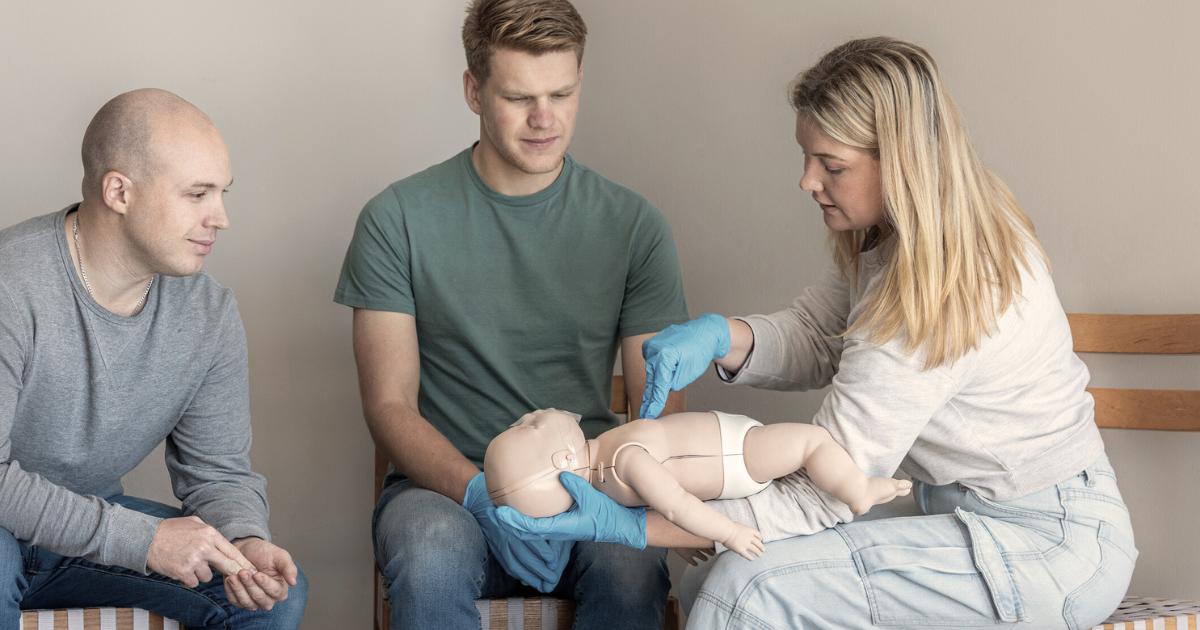
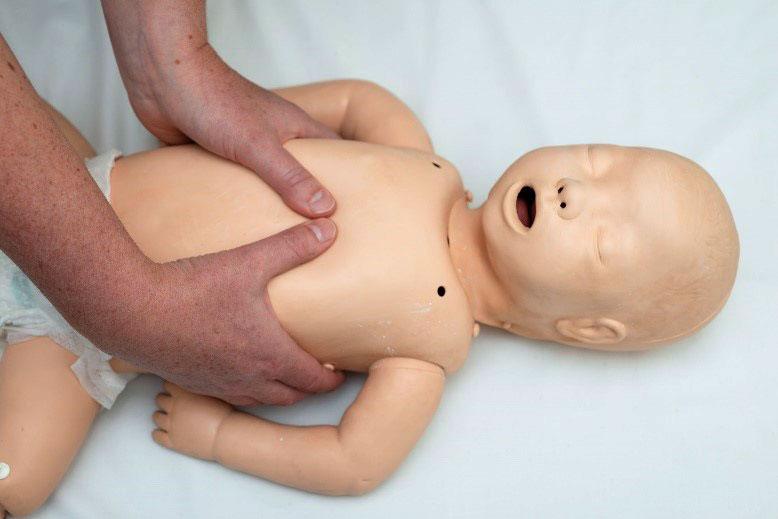
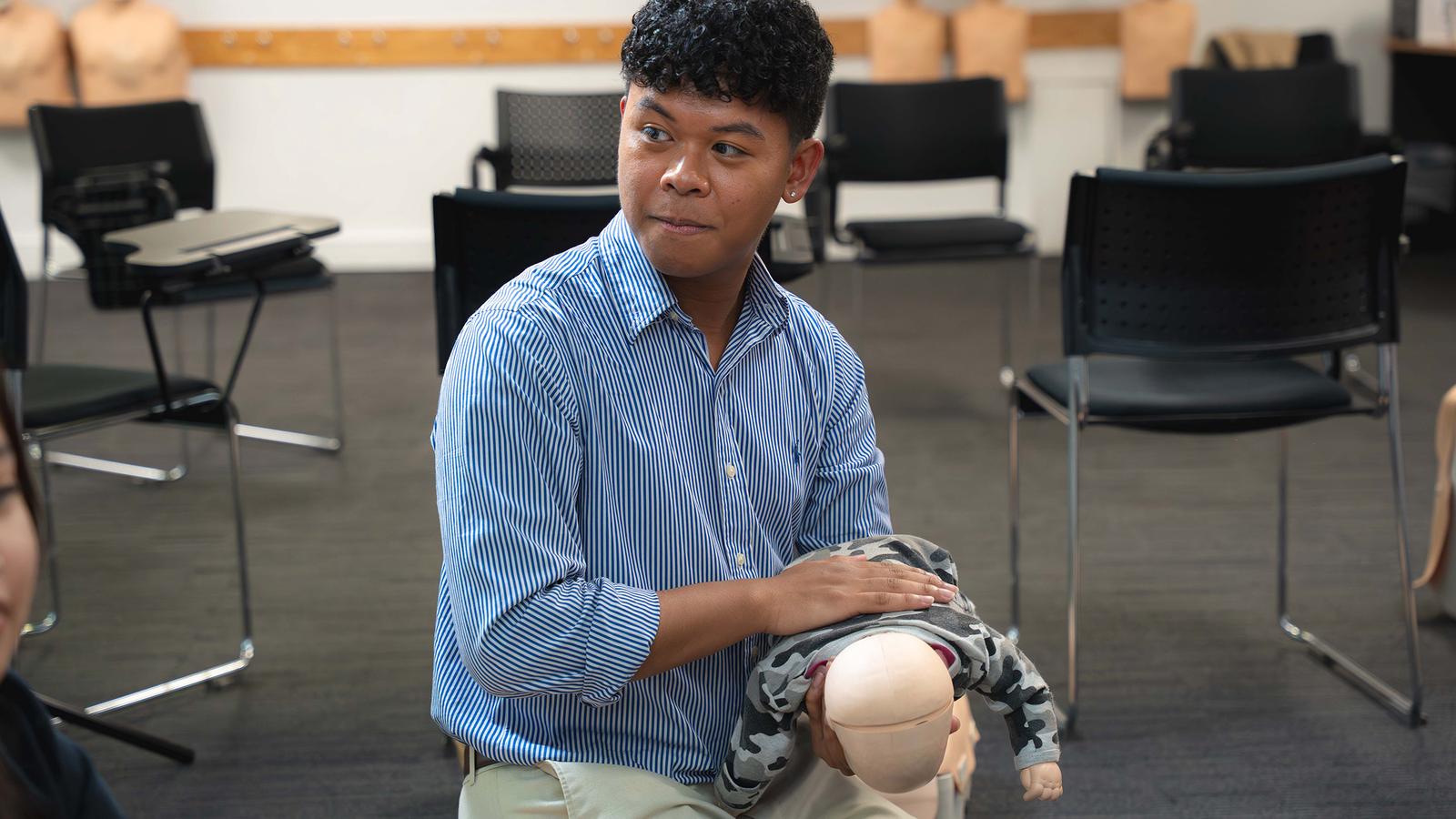
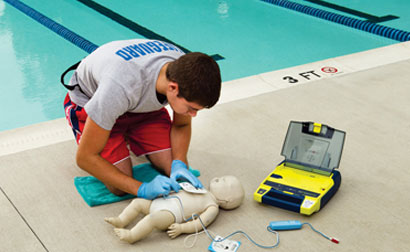
    • Infant and child CPR
    • Child-specific emergencies
    • Childcare compliance requirements

    👉 This is mandatory for childcare roles

    🔗 Learn more

    🔍 Key Differences (Simple Table)

    FeatureHLTAID011HLTAID012
    Who it’s forGeneral public & workplacesChildcare & educators
    CPR included✅ Yes✅ Yes
    Infant/child focus❌ No✅ Yes
    Meets childcare requirements❌ No✅ Yes
    Most common useJobs & safetyChildcare compliance

    👉 Think of HLTAID012 as HLTAID011 + child-focused training

    🎯 Which One Should You Choose?

    ✅ Choose HLTAID011 if you are:

    • A tradie
    • Support or disability worker
    • Gym trainer
    • Office worker
    • Healthcare worker

    👶 Choose HLTAID012 if you are:

    • A childcare worker
    • Early childhood educator
    • OSHC staff
    • Working closely with children

    👉 If kids are part of your job → go with HLTAID012

    ⚠️ Common Mistakes to Avoid

    • ❌ Booking HLTAID011 for childcare jobs
    • ❌ Assuming both courses are the same
    • ❌ Not checking employer requirements

    👉 This is where most people go wrong.

    ⏱️ Course Duration & Validity

    Both courses:

    • ⏱️ Fast and practical
    • 📄 Certificate issued quickly
    • ⏳ Valid for 3 years (CPR renewed yearly)

    ❤️ Need CPR Only?

    If you only need CPR:

    👉 HLTAID009 – Provide CPR

    🌍 National Standards

    Courses follow:

    • training.gov.au
    • Australian Children’s Education & Care Quality Authority

    👉 Meaning your certification is recognised across Australia.

    🔁 Quick Decision Guide

    • Want general certification? → HLTAID011
    • Working with children? → HLTAID012

    👉 Simple.

    FAQ Section 

    Not better—just specialised for childcare.

    Yes—both include HLTAID009.

    No—HLTAID012 is required.

    HLTAID011—it suits most people.

    Yes, but it’s better to choose correctly first.

    ✅ Final Thoughts

    Choosing between HLTAID011 vs HLTAID012 in Sydney doesn’t have to be confusing.

    It comes down to one simple question:

    👉 Do you work with children?

    If yes → HLTAID012
    If no → HLTAID011


    🔗 Relevant Authority (Use These)

    ABC First Aid (RTO 3399)

    Nationally recognised training provider:

    “Delivered in partnership with a nationally recognised training provider”


    Training.gov.au

    Official course standards:

    “aligned with official course standards on training.gov.au”

    ACECQA

     ACECQA requirements:

    “meeting ACECQA requirements for educators”

    Australian Resuscitation Council 

     Australian Resuscitation Council guidelines:

    “based on Australian Resuscitation Council guidelines”
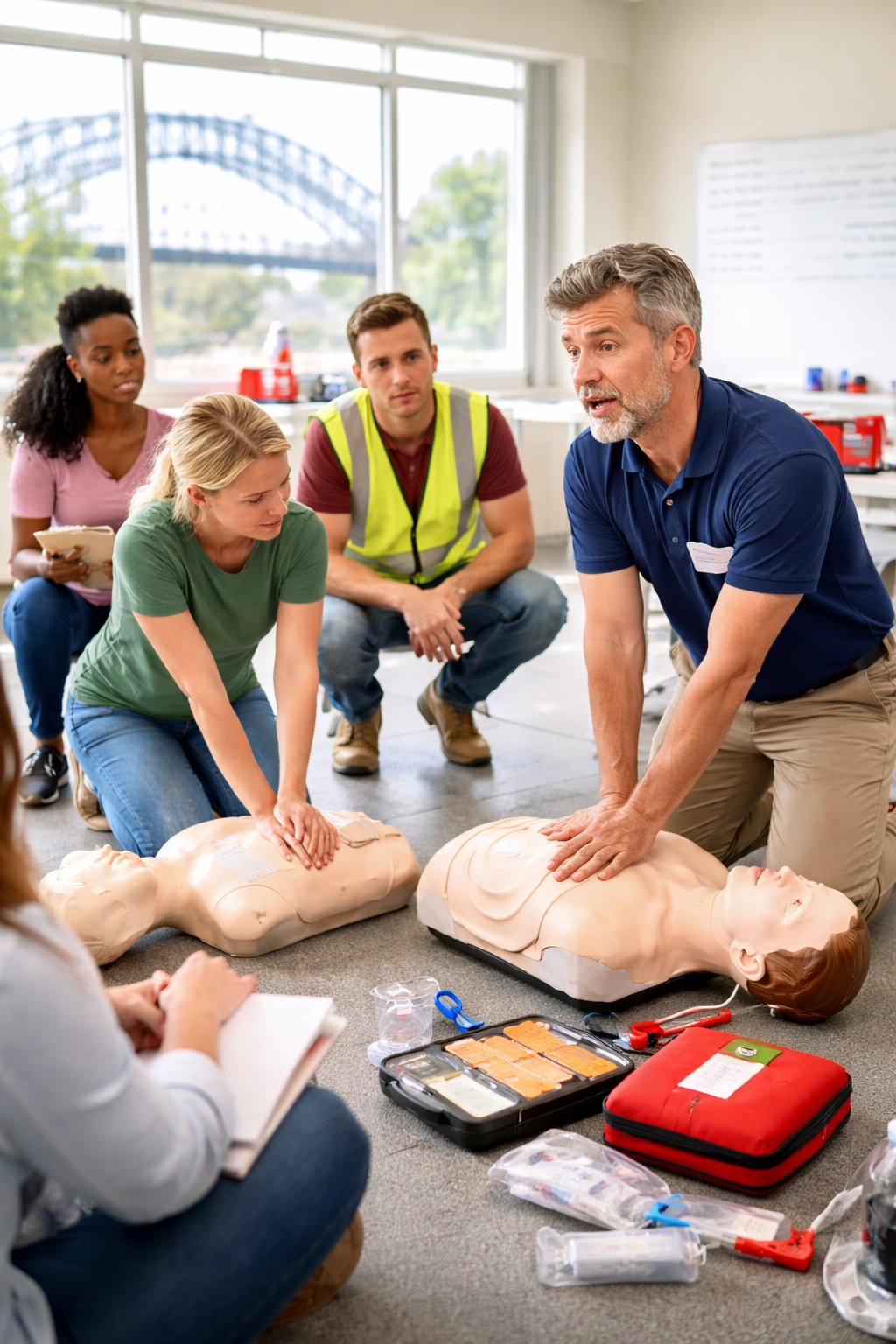
  • Behind a Sydney First Aid Training Day: What to Expect…

    🎓 Behind the Scenes of a Sydney Training Day: What Really Happens in a First Aid Course


    Ever wondered what actually happens during a first aid training session?

    Whether you’re booking your first course or simply curious, this behind-the-scenes look at a Sydney training day will show you exactly what to expect—from arrival to certification.

    📍 A Typical Morning at a Sydney Training Centre

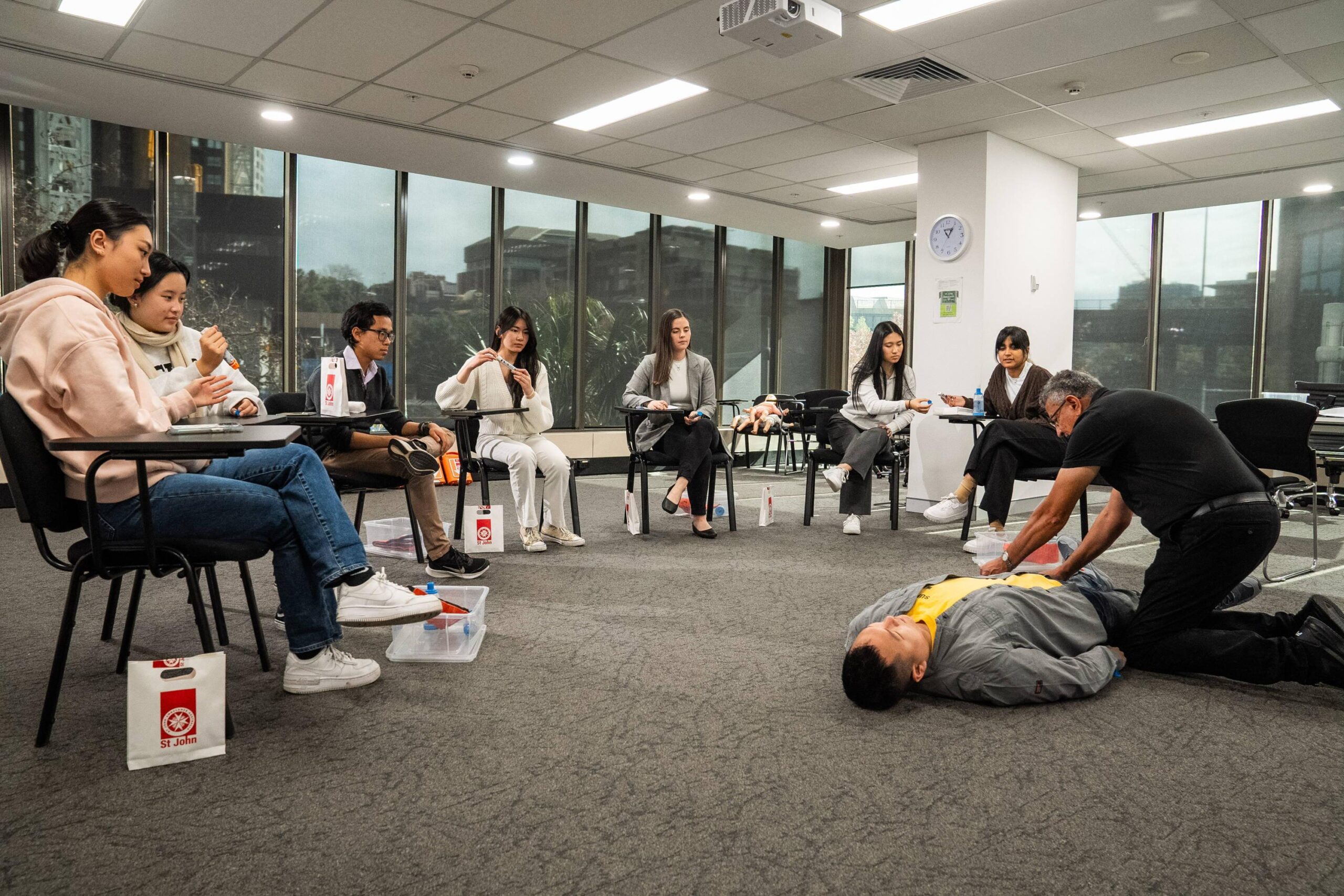
    Firstly, training days in Sydney are designed to be efficient, practical, and easy to follow.

    When you arrive:

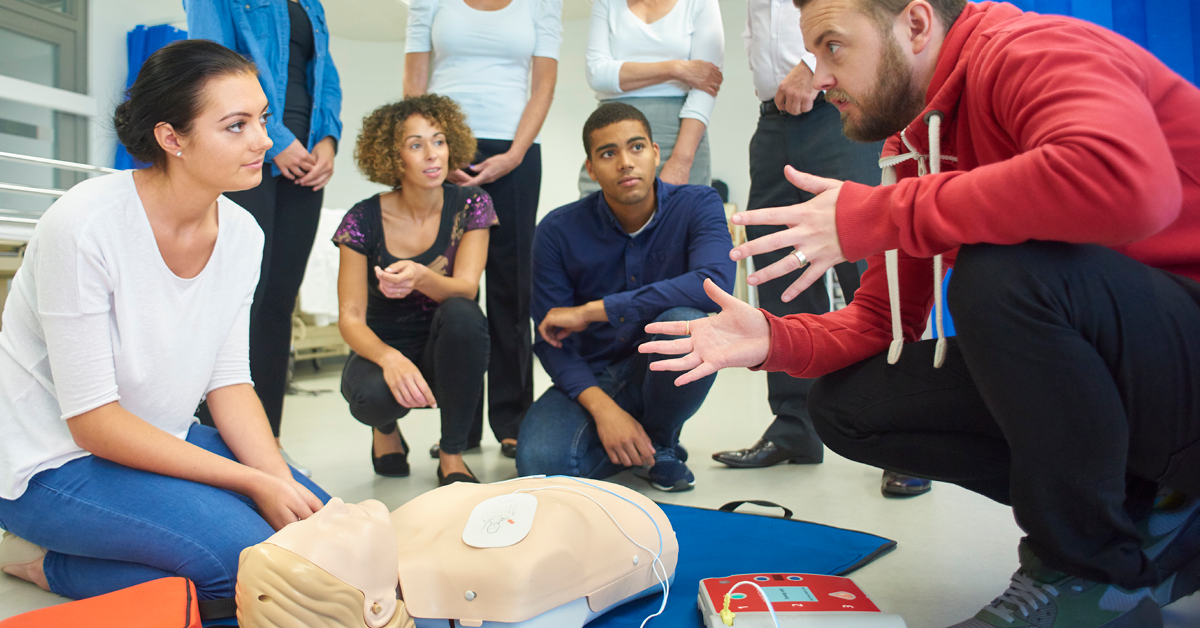
    • You’re welcomed by a qualified trainer
    • Attendance is confirmed
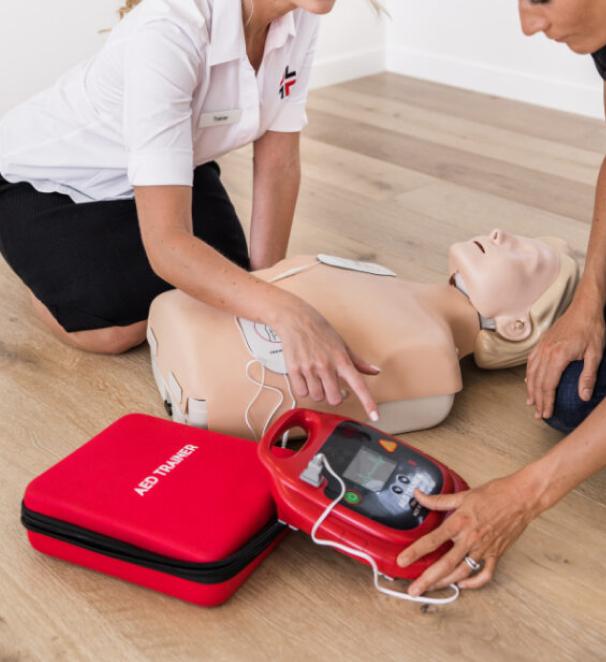
    • Equipment (CPR mannequins, AED trainers) is prepared

    👉 Most courses are structured to be fast-paced yet hands-on

    🧠 Step 1: Quick Theory (Simple & Practical)

    Before jumping into action, you’ll cover essential theory.

    However, unlike traditional learning, this is:

    • Short
    • Straightforward
    • Focused on real-life scenarios

    👉 Topics include:

    • Recognising emergencies
    • Basic life support principles
    • Workplace responsibilities

    Additionally, content aligns with official standards on .

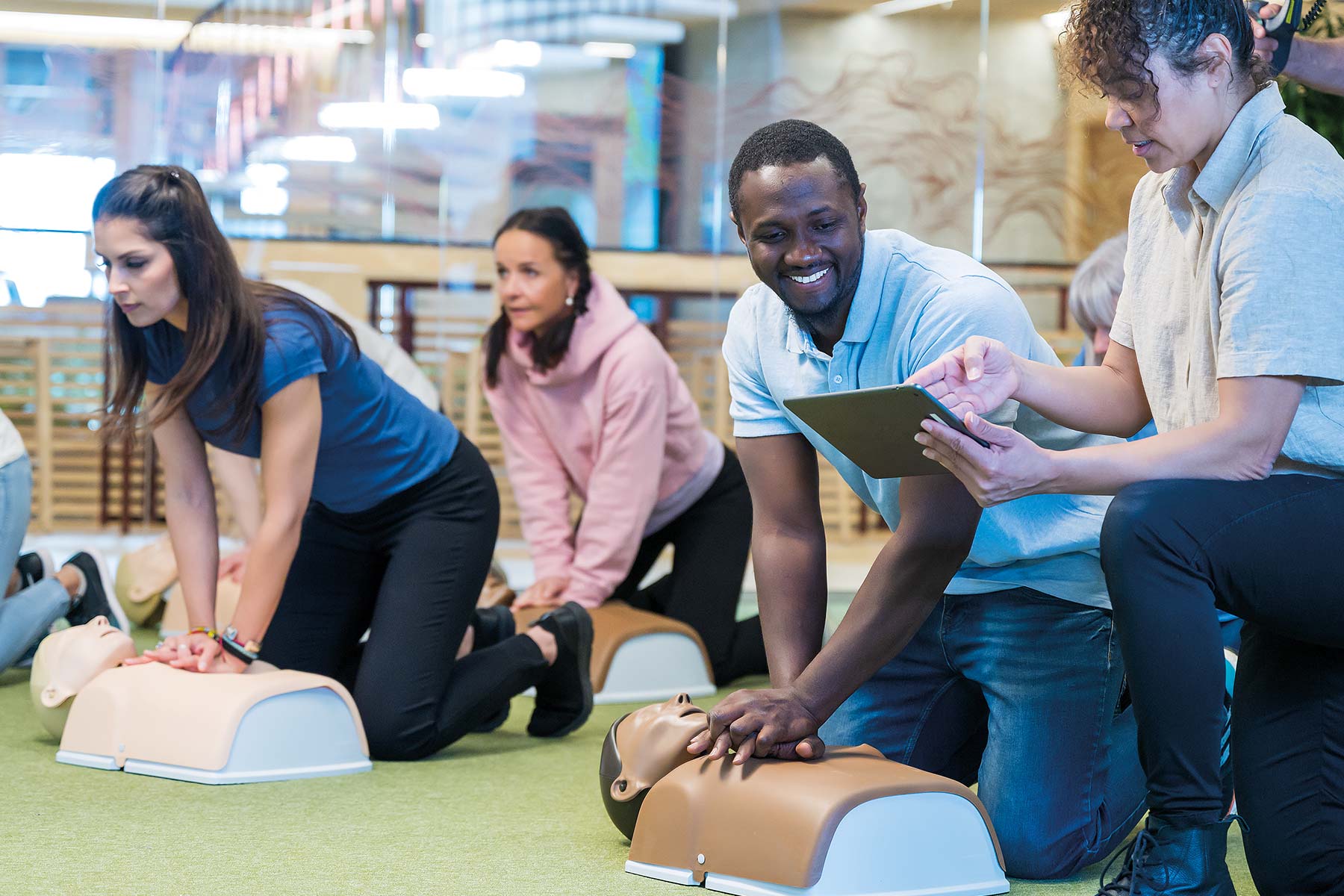
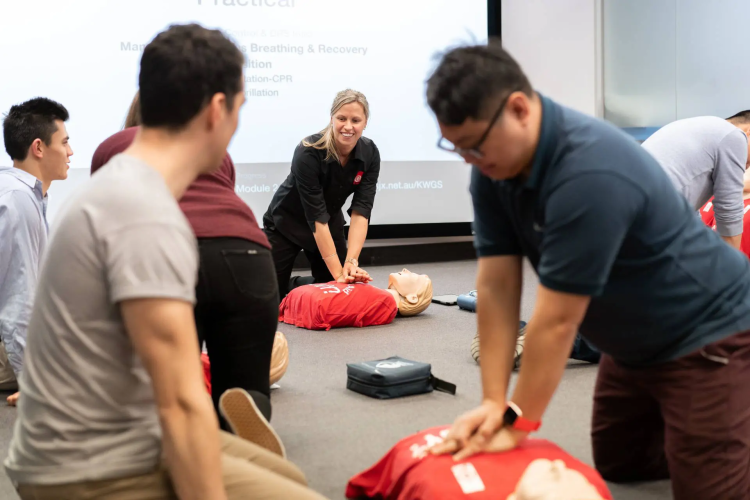
    ❤️ Step 2: CPR Training (Hands-On Practice)

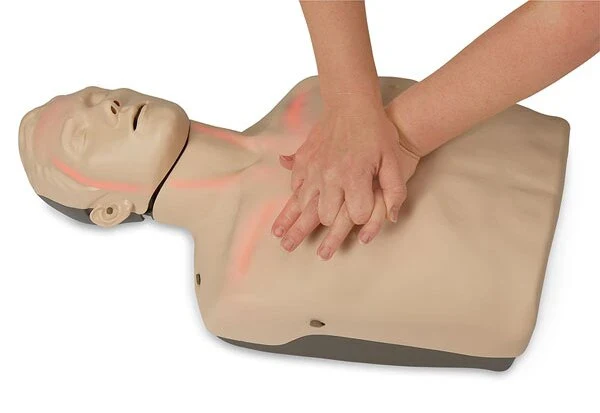
    Next—and most importantly—you’ll practise CPR.

    This includes:

    • Chest compressions
    • Rescue breaths
    • Using an AED

    👉 Trainers guide you step-by-step until you’re confident.

    For many students, this is the most valuable part of the day.

    🚑 Step 3: First Aid Scenarios

    After CPR, you move into real-life simulations.

    For example:

    • Treating burns
    • Managing bleeding
    • Responding to choking
    • Handling unconscious patients

    👉 These practical exercises ensure you can apply knowledge under pressure

    ⏱️ Step 4: Fast, Efficient Course Structure

    One of the biggest surprises?

    👉 How quick and efficient the training is

    • CPR courses: ~30 minutes
    • First Aid courses: ~1 hour
    • Blended delivery (online + practical)

    Therefore, even busy professionals can complete certification without wasting time.

    🧾 Step 5: Assessment & Certification

    Finally, you’ll complete:

    • A short practical assessment
    • Trainer verification

    Once completed:

    • Your certificate is processed
    • Typically issued within 1 business day

    👉 Delivered in partnership with (RTO 3399)

    👥 Who Attends These Training Days?

    You’ll be training alongside people from all industries:

    • Construction workers
    • Office staff
    • Parents
    • Childcare educators
    • Support workers

    👉 This creates a practical, relatable learning environment

    📚 Courses You Can Take

    Here are the most popular options:

    👉 All courses meet national standards and industry requirements.

    🔗 Industry Standards & Compliance

    Training follows recognised guidelines from:

    •  
    •  

    👉 Ensuring your certification is valid across Australia.

    FAQ Section

    Most courses are completed within 30–60 minutes (plus online pre-study if applicable).

    Not at all. It’s designed to be simple, practical, and beginner-friendly.

    Certificates are typically issued within 1 business day.

    Yes—most of the session involves practical learning like CPR and scenarios.

    Almost everyone—especially workers in healthcare, childcare, construction, and corporate environments.

    ✅ Final Thoughts

    Ultimately, a Sydney training day is designed to be:

    • Fast
    • Practical
    • Confidence-building

    Because in an emergency, knowing what to do can make all the difference.

    👉 And after just one session, you’ll walk away with skills that can save lives

    🔗 Relevant Authority (Use These)

    ABC First Aid (RTO 3399)

    Nationally recognised training provider:

    “Delivered in partnership with a nationally recognised training provider”


    Training.gov.au

    Official course standards:

    “aligned with official course standards on training.gov.au”

    ACECQA

     ACECQA requirements:

    “meeting ACECQA requirements for educators”

    Australian Resuscitation Council 

     Australian Resuscitation Council guidelines:

    “based on Australian Resuscitation Council guidelines”