Tag: summer safety Sydney

  • BBQ Safety Tips for Families in Sydney | Stay Safe This Summer

    🔥 BBQ Safety Tips for Families in Sydney: Stay Safe This Summer
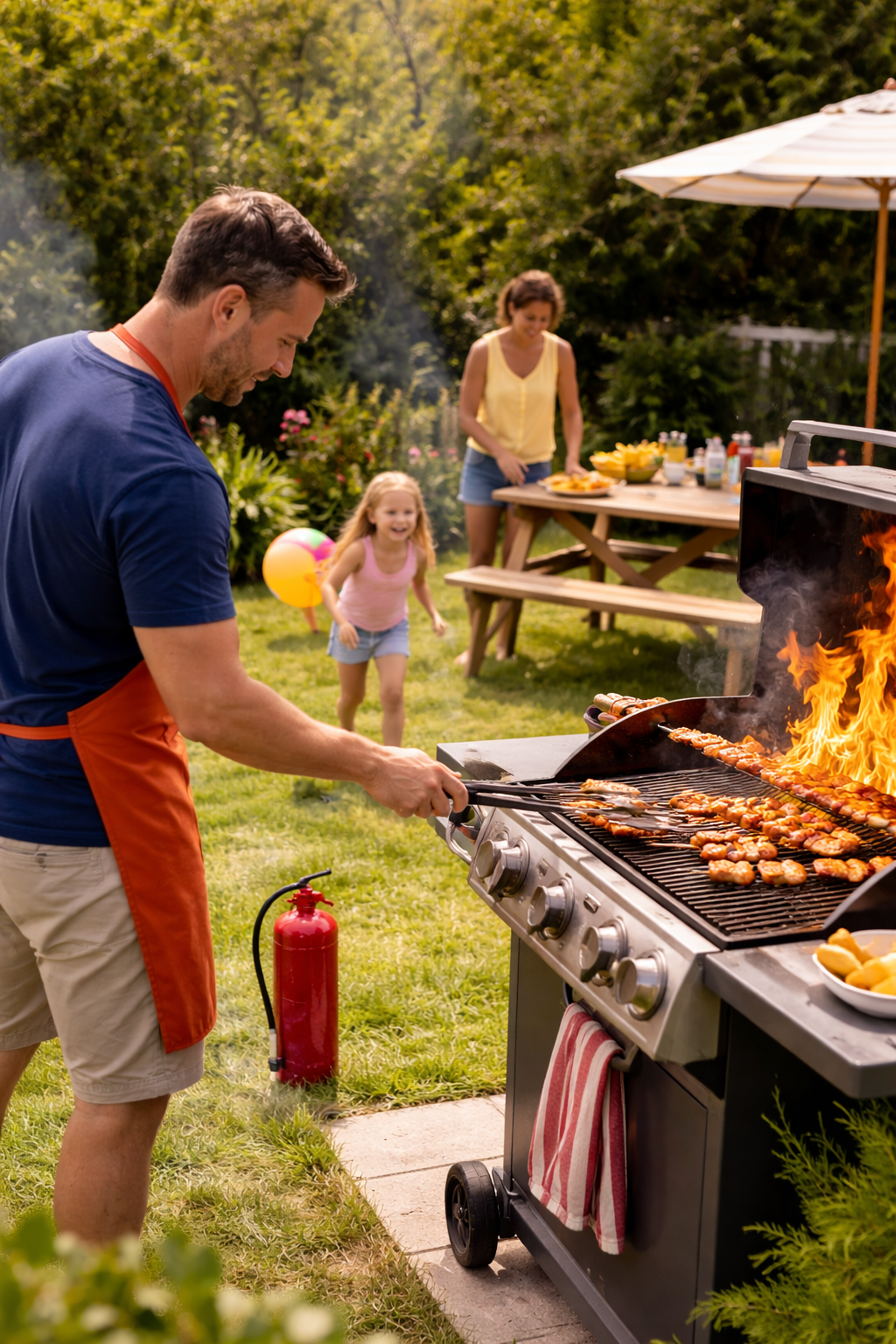
     

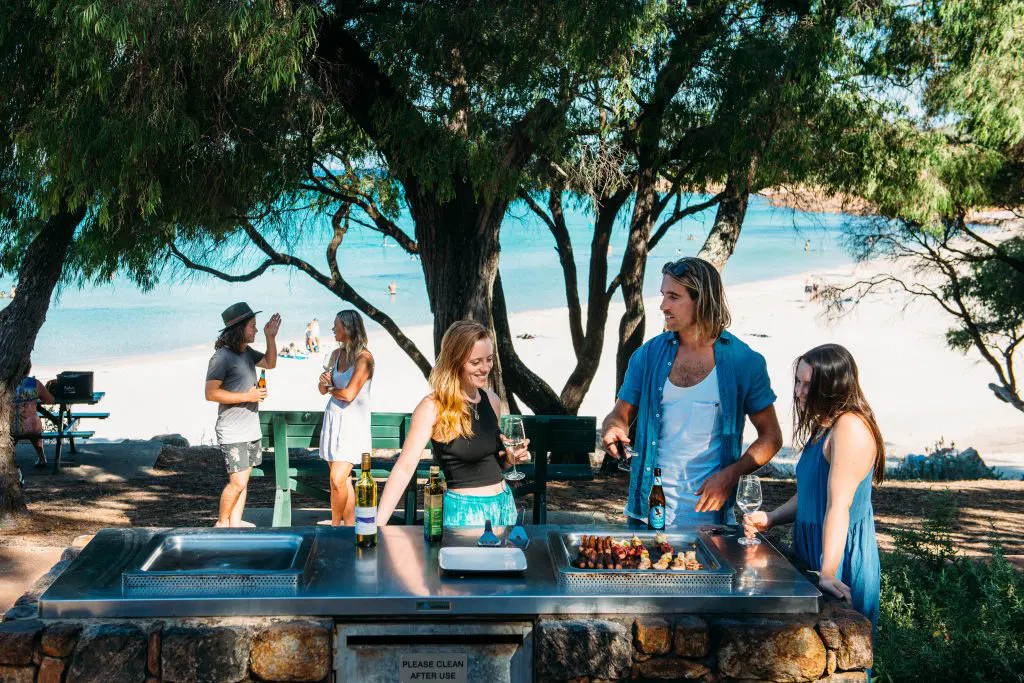
    It’s a warm Sydney afternoon. The BBQ is fired up, kids are playing, and everyone’s relaxed.

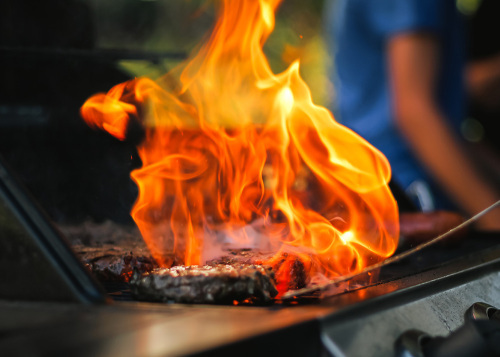
    Then suddenly—someone yells. A flare-up. A burnt hand. Panic.

    The truth is, BBQ accidents happen fast—and often when no one is expecting them.

    That’s why knowing simple BBQ safety tips for families in Sydney can make all the difference between a great day… and an emergency.

    Let’s break it down 👇

    🍖 Why BBQ Safety Matters More Than You Think
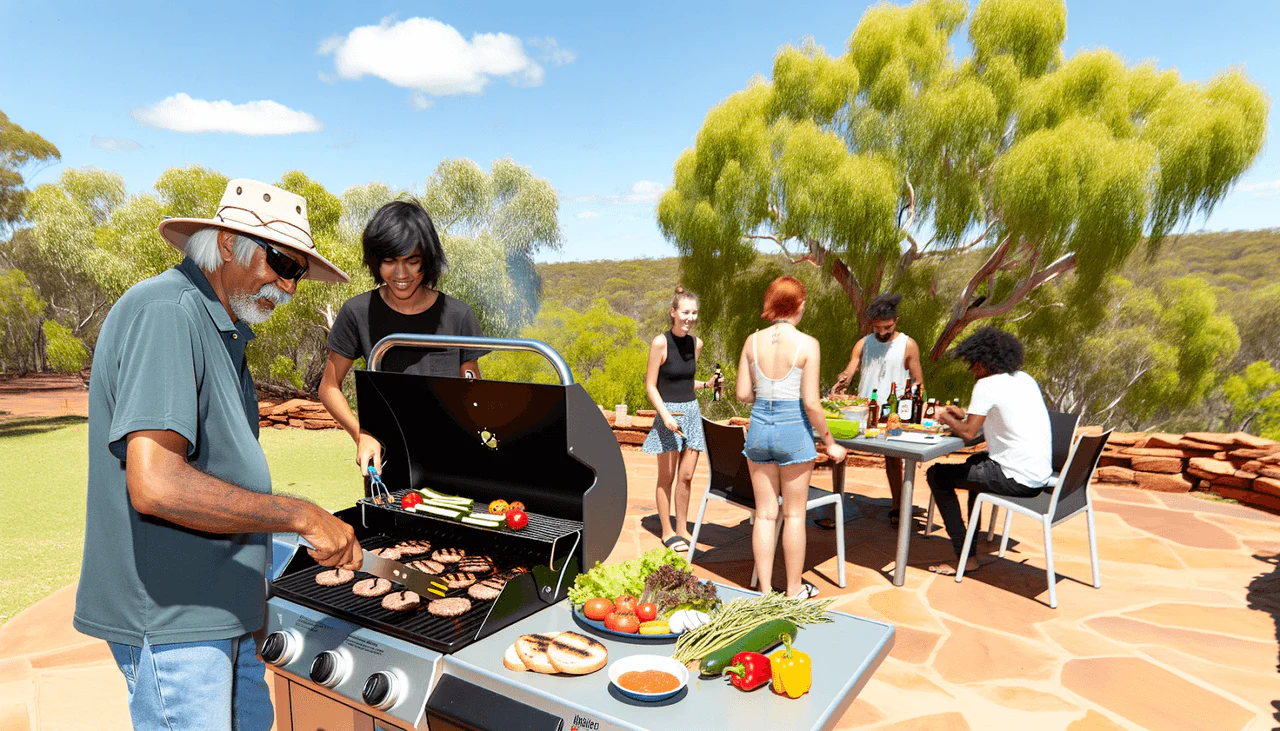
    Firstly, BBQs are one of the most common causes of:

    • Burns
    • Fire hazards
    • Gas-related incidents

    Especially during summer, when usage increases.

    👉 Most accidents happen due to small mistakes

    🔥 1. Never Leave the BBQ Unattended

    This is the #1 rule.

    • Stay near the grill at all times
    • Turn it off properly after use
    • Keep a close eye when cooking

    👉 Even a few seconds can lead to flare-ups or fires.

    🚸 2. Keep Kids and Pets at a Safe Distance

    Curiosity and heat don’t mix.

    • Create a “safe zone” (at least 1 metre away)
    • Supervise children at all times
    • Avoid running near the BBQ

    👉 Most burn injuries involve children getting too close.

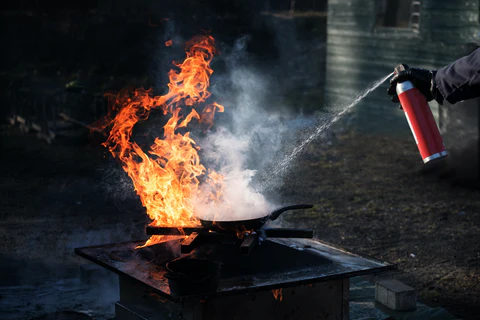
    🧯 3. Be Prepared for Fires
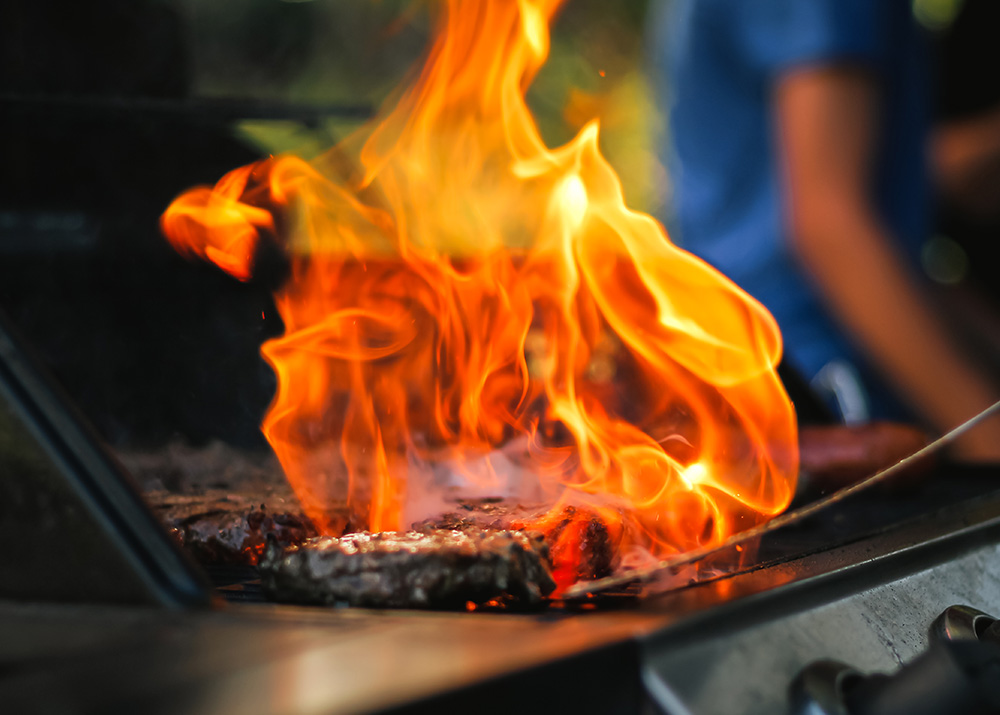
    Accidents happen—but preparation saves lives.

    Have nearby:

    • Fire extinguisher
    • Fire blanket
    • Water source (if safe to use)

    👉 Never use water on grease fires—it can make things worse.

    🧠 4. Know Basic First Aid for Burns

    If someone gets burned:

    1. Cool the burn under running water (20 minutes)
    2. Remove tight items (rings, watches)
    3. Cover with a clean dressing

    👉 Learn more here:
    Provide First Aid (HLTAID011)
    CPR Course (HLTAID009)

    ⛽ 5. Check Gas Connections Before Use

    Gas leaks are a hidden danger.

    • Inspect hoses for cracks
    • Ensure connections are tight
    • Turn off gas after cooking

    👉 If you smell gas—stop immediately.

    🌬️ 6. Be Mindful of Wind and Environment

    Additionally, outdoor conditions matter.

    • Avoid BBQing in strong winds
    • Keep away from flammable items
    • Position BBQ on stable ground

    👉 Wind can spread flames quickly.

    🍗 7. Avoid Overloading the Grill

    Too much food = more grease = higher fire risk.

    • Cook in batches
    • Trim excess fat
    • Clean grill regularly

    👉 This reduces flare-ups significantly.

    👶 Extra Care for Families with Children

    If you’re hosting families:

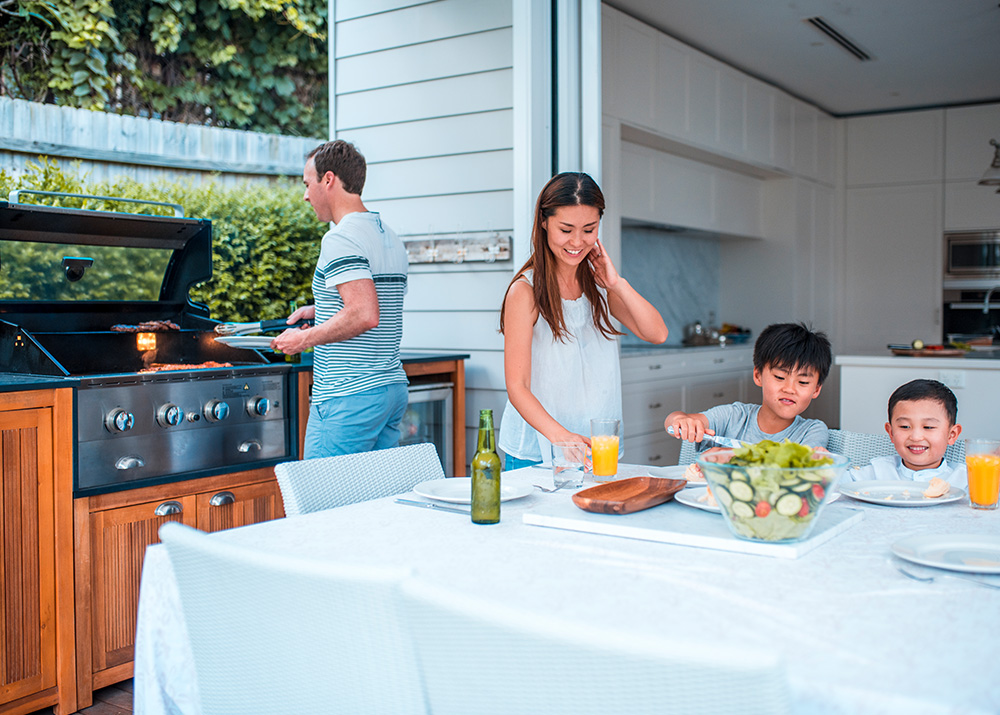
    • Assign one adult as the “BBQ supervisor”
    • Keep play areas separate
    • Avoid distractions (phones, alcohol)

    👉 Safety starts with responsibility.

    🌍 Safety Standards & Awareness

    BBQ and fire safety awareness aligns with:

    • training.gov.au
    • Australian Children’s Education & Care Quality Authority

    👉 Especially important in family and childcare environments.

    🔁 Quick BBQ Safety Checklist

    • ✅ Never leave BBQ unattended
    • ✅ Keep kids and pets away
    • ✅ Check gas connections
    • ✅ Have fire safety tools ready
    • ✅ Know basic first aid

    FAQ Section

    Leaving the BBQ unattended—this causes most accidents.

    No—especially grease fires. Use a fire blanket or extinguisher.

    Cool under running water for 20 minutes and cover it.

    Yes, if supervised and a safe distance is maintained.

    Absolutely—it can prevent minor injuries from becoming serious.

    ✅ Final Thoughts

    BBQs are a big part of Sydney summers—but safety should always come first.

    Because with just a few simple precautions, you can enjoy your time with family without the risk.

    👉 And when you’re prepared, you’re in control.


    🔗 Relevant Authority (Use These)

    ABC First Aid (RTO 3399)

    Nationally recognised training provider:

    “Delivered in partnership with a nationally recognised training provider”


    Training.gov.au

    Official course standards:

    “aligned with official course standards on training.gov.au”

    ACECQA

     ACECQA requirements:

    “meeting ACECQA requirements for educators”

    Australian Resuscitation Council 

     Australian Resuscitation Council guidelines:

    “based on Australian Resuscitation Council guidelines”

  • Christmas First Aid Tips Every Sydney Family Should Know

    Christmas Holiday First Aid Tips (Post-Holiday Recap)

    The Christmas holidays are a time of celebration, travel, and family gatherings—but they also come with a spike in preventable injuries and medical incidents. As we wrap up the festive season, it’s the perfect time to reflect on common risks and how simple first aid knowledge can make a critical difference.

    🎄 What We Saw Over the Holidays

    During the Christmas period, there’s typically an increase in:

    • Minor burns from cooking and BBQs
    • Cuts from food preparation or new tools/gadgets
    • Dehydration and heat exhaustion (especially in Sydney summers)
    • Slips and falls around the home or pool
    • Choking incidents during large meals

    While most of these are manageable, knowing what to do in the first few minutes is what truly matters.

    🔥 1. Burns & Kitchen Accidents

    With more time spent cooking, burns are one of the most common injuries.

    Quick First Aid:

    • Cool the burn under running water for 20 minutes
    • Remove tight clothing or jewellery near the area
    • Cover with a sterile, non-stick dressing

    👉 Avoid ice, creams, or butter—these can worsen the injury.

    🔪 2. Cuts & Lacerations

    From carving knives to new kitchen gadgets, cuts happen fast.

    Quick First Aid:

    • Apply firm pressure to stop bleeding
    • Clean the wound with water
    • Cover with a clean dressing

    👉 Seek medical help if bleeding doesn’t stop after 10 minutes of pressure.

    ☀️ 3. Heat Exhaustion & Dehydration

    Sydney’s Christmas heat can be intense, especially during outdoor gatherings.

    Signs to watch:

    • Dizziness
    • Nausea
    • Excessive sweating

    What to do:

    • Move to a cool area
    • Provide water (small sips)
    • Loosen tight clothing

    👉 If symptoms worsen, it could progress to heatstroke—this is a medical emergency.

    🍗 4. Choking Incidents

    Large meals and distractions increase choking risks—especially for children and older adults.

    First Aid Basics:

    • Encourage coughing if possible
    • If airway is blocked: perform back blows + chest thrusts
    • Call emergency services if the person becomes unresponsive

    🏊 5. Water Safety Incidents

    Backyard pools and beach trips are a holiday staple—but also a major risk.

    Prevention + Action:

    • Always supervise children
    • Learn CPR—it can double survival chances in cardiac arrest
    • Act immediately if someone is unresponsive in water

    💡 Key Takeaway

    Most holiday injuries are preventable or manageable with basic first aid knowledge. The difference between panic and control often comes down to preparation.

    ✅ Moving Forward

    As we head into the new year, consider this:

    • Do you know how to respond in an emergency?
    • Would you feel confident helping a family member or client?

    First aid training isn’t just a requirement—it’s a life skill.


    📍 Final Thought

    The holidays may be over, but emergencies don’t take a break. Use this recap as a reminder to stay prepared, stay aware, and ensure you’re ready to act when it matters most.

  • Sydney Heatwave Safety Tips: How to Stay Safe in Extreme Heat

    How to Stay Safe During Sydney Heatwaves (Essential Safety Tips for Families & Workplaces)


    Sydney summers can be intense. However, when a Sydney heatwave hits, temperatures can quickly become dangerous—especially for families, workers, and gym-goers.

    So, knowing how to stay safe during Sydney heatwaves isn’t just helpful—it’s essential. With the right preparation, you can prevent heat-related illnesses and respond effectively in an emergency.

    ☀️ Why Sydney Heatwaves Are Dangerous

    During extreme heat conditions, your body struggles to cool down. As a result, this can lead to:

    • Heat exhaustion
    • Dehydration
    • Heatstroke (a life-threatening emergency)

    In fact, vulnerable groups—such as children, older adults, and active individuals—are at even greater risk during a heatwave in Sydney.

    💧 1. Stay Hydrated at All Times

    First and foremost, hydration is critical.

    During a Sydney heatwave:

    • Drink water regularly (even if you’re not thirsty)
    • Avoid alcohol and sugary drinks
    • Increase intake during workouts or outdoor activity

    💡 Especially for gym users and outdoor workers, hydration helps regulate body temperature and prevent heat stress.

    🏋️ 2. Adjust Your Exercise & Gym Routine

    While staying active is important, you should also adapt.

    Instead:

    • Train early morning or evening
    • Avoid peak heat (11am–3pm)
    • Take frequent breaks

    Additionally, always watch for warning signs like dizziness or nausea during workouts.

    ❤️ 3. Learn CPR – Be Ready for Emergencies

    Heatwaves can increase the risk of cardiac events, particularly during physical activity.

    That’s why learning CPR is crucial.

    👉 Get certified here

    With proper CPR training, you can:

    • Respond quickly
    • Stay calm under pressure
    • Potentially save a life

    🧴 4. Protect Yourself from the Sun

    Next, don’t underestimate UV exposure.

    To stay protected:

    • Apply SPF 30+ sunscreen
    • Wear hats and sunglasses
    • Seek shade whenever possible

    Moreover, sunburn can worsen dehydration and heat-related illness.

    🩹 5. Know Basic First Aid for Heat Illness

    Understanding first aid during heatwaves can make a major difference.

    If someone shows signs of heat exhaustion:

    • Move them to a cool place
    • Give water
    • Apply cool cloths

    However, if symptoms worsen (confusion, fainting), it could be heatstroke—call emergency services immediately.

    👉 Learn full first aid skills here

    👶 6. Keep Children & Families Safe

    Children are more sensitive to heat. Therefore, extra care is needed.

    Make sure to:

    • Never leave kids in cars
    • Keep them hydrated
    • Limit outdoor play during peak heat

    👉 For family and childcare safety

    🏠 7. Stay Cool Indoors

    Whenever possible:

    • Use air conditioning or fans
    • Close blinds during the day
    • Take cool showers

    If your home gets too hot, consider visiting:

    • Shopping centres
    • Libraries
    • Community cooling spaces

    🚑 8. Be Prepared, Not Reactive

    Ultimately, preparation is key.

    By learning heatwave safety tips in Sydney, along with CPR and first aid, you can:

    • Reduce risks
    • Respond confidently
    • Protect your family and others

    Final Thoughts

    Sydney heatwaves are becoming more frequent. However, with the right knowledge and preparation, you can stay safe and in control.

    So, whether you’re at home, at the gym, or outdoors, always remember:
    prevention, awareness, and quick action save lives.

    FAQs

    Stay hydrated, avoid peak heat, stay indoors when possible, and monitor for signs of heat illness.

    Dizziness, sweating, nausea, fatigue, and headache.

    If symptoms worsen into confusion, fainting, or lack of sweating, it may be heatstroke—seek urgent help.

    Yes. Heat stress can trigger cardiac events, especially during physical activity.

  • Summer Safety Tips for Sydney Families (Stay Safe, Stay Active)

    Summer Safety Tips for Sydney Families (Stay Safe, Stay Active)

    Summer in Sydney means beach days, outdoor workouts, and family fun. However, with the heat and activity levels rising, safety becomes more important than ever. Whether you’re at the gym, park, or beach, knowing basic first aid and CPR can make all the difference.

    ☀️ Why Summer Safety Matters More Than You Think

    During summer, risks increase due to:

    • Heat exhaustion and dehydration
    • Water-related incidents
    • Sports and gym injuries
    • Allergic reactions (insects, food, environment)

    That’s why Sydney families should be prepared, not reactive.

    🏋️ 1. Stay Hydrated (Especially During Workouts)

    If you’re hitting the gym or training outdoors:

    • Drink water before, during, and after exercise
    • Avoid peak heat hours (11am–3pm)
    • Watch for dizziness or fatigue

    💡 Kids and teens are especially vulnerable during sports and training sessions.

    ❤️ 2. Know CPR – It Could Save a Life

    Cardiac emergencies don’t just happen in hospitals—they can happen:

    • At the gym
    • At the beach
    • During sports

    Learning CPR gives you the confidence to act fast.

    👉 Get certified here

    🏊 3. Water Safety is Non-Negotiable

    Sydney summers = pools, beaches, and water parks.

    Always:

    • Supervise children closely
    • Learn basic rescue skills
    • Know CPR in case of emergencies

    Even strong swimmers can get into trouble.

    🧴 4. Sun Protection is Essential

    Protect your family from harsh UV exposure:

    • Apply SPF 30+ sunscreen
    • Wear hats and protective clothing
    • Reapply every 2 hours

    Heatstroke can escalate quickly—especially during sports or gym sessions.

    🩹 5. Be Ready for Injuries (Gym + Outdoor Activities)

    From minor cuts to muscle strains:

    • Keep a basic first aid kit nearby
    • Know how to respond quickly
    • Treat injuries early to avoid complications

    👉 Learn full first aid skills

    👶 6. Extra Safety for Families with Children

    If you have kids:

    • Learn choking response
    • Understand asthma and allergy care
    • Be aware of child-specific emergencies

    👉 Child protection & safety training

    🏋️ 7. Gym Safety During Summer

    Gyms can get hotter and more intense in summer.

    Stay safe by:

    • Taking breaks between sets
    • Cleaning equipment to avoid infections
    • Knowing where emergency equipment (like AEDs) are

    💡 If your gym doesn’t have an AED, that’s a serious safety gap.

    🚑 8. Be Prepared, Not Panicked

    Emergencies are unpredictable—but your response doesn’t have to be.

    With proper training:

    • You stay calm
    • You act quickly
    • You potentially save a life

    Final Thoughts

    Sydney summers are amazing—but safety should always come first.

    By learning CPR, first aid, and basic safety skills, you’re not just protecting yourself—you’re protecting your family and community.

    FAQs

    Dehydration, sunburn, heat exhaustion, and sports injuries are the most common.

    Yes. CPR can save lives in emergencies like drowning or cardiac arrest.

    Supervision, sun protection, hydration, and basic first aid knowledge are key.

    Highly recommended. It prepares you for a wide range of situations.

    Where can I learn CPR in Sydney?

    You can get certified quickly here