Tag: outdoor safety Sydney

  • Pool Safety Rules for Summer Sydney | Stay Safe Around Pools

    šŸŠ Pool Safety Rules for Summer: Essential Tips to Prevent Accidents in Sydney
    Ā 

    It’s a typical Sydney summer day—sun out, barbecue on, and the kids are straight in the pool. Everything feels relaxed… until suddenly, things go quiet.

    No splashing. No laughter.

    That’s the scary part—pool accidents don’t look dramatic. They happen quickly, silently, and when you least expect it.

    While summer is the perfect time to enjoy the water, it also comes with real risks—especially for children. That’s why knowing the right pool safety rules for summer in Sydney isn’t just helpful, it’s essential.

    In this guide, you’ll learn simple, practical ways to keep your family safe—so your summer stays fun, not frightening.

    ā˜€ļø Why Pool Safety Matters in Sydney Summers
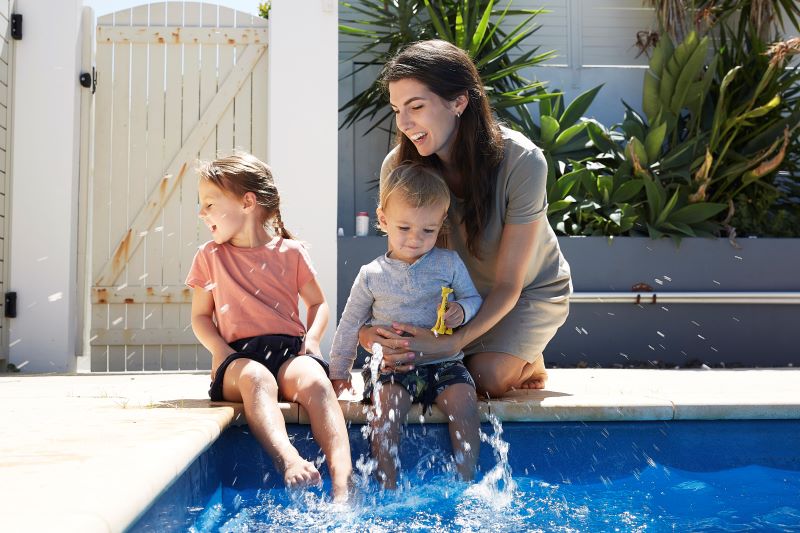
    Firstly, drowning is one of the leading causes of accidental injury in Australia.

    In particular:

    • Children under 5 are most at risk
    • Backyard pools are common locations
    • Lack of supervision is a major factor

    šŸ‘‰ That’s why strict pool safety rules are critical—especially during summer.

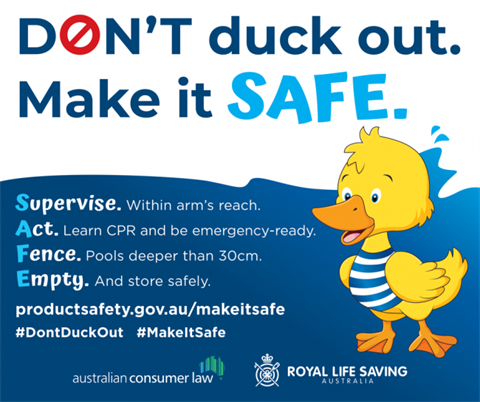
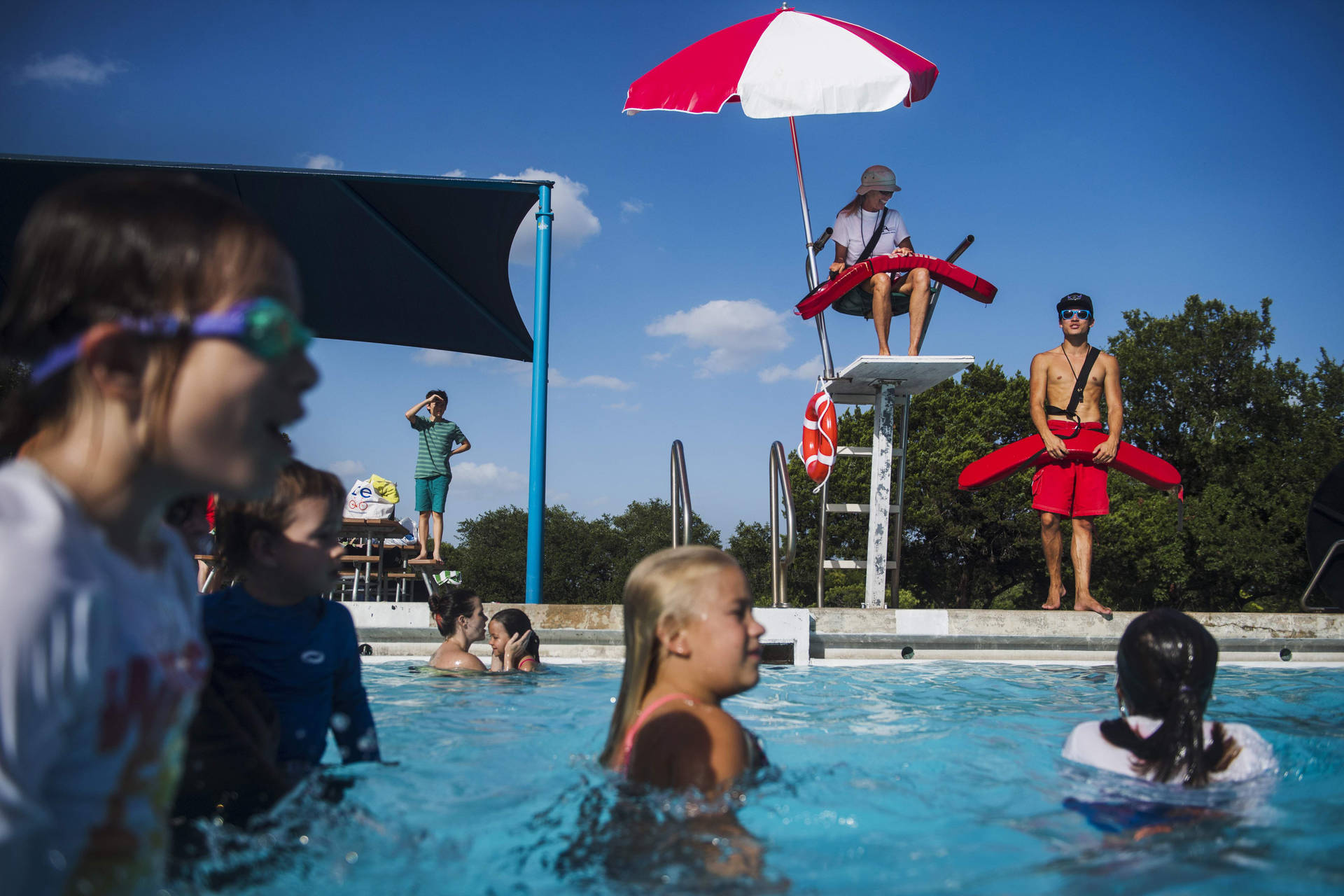
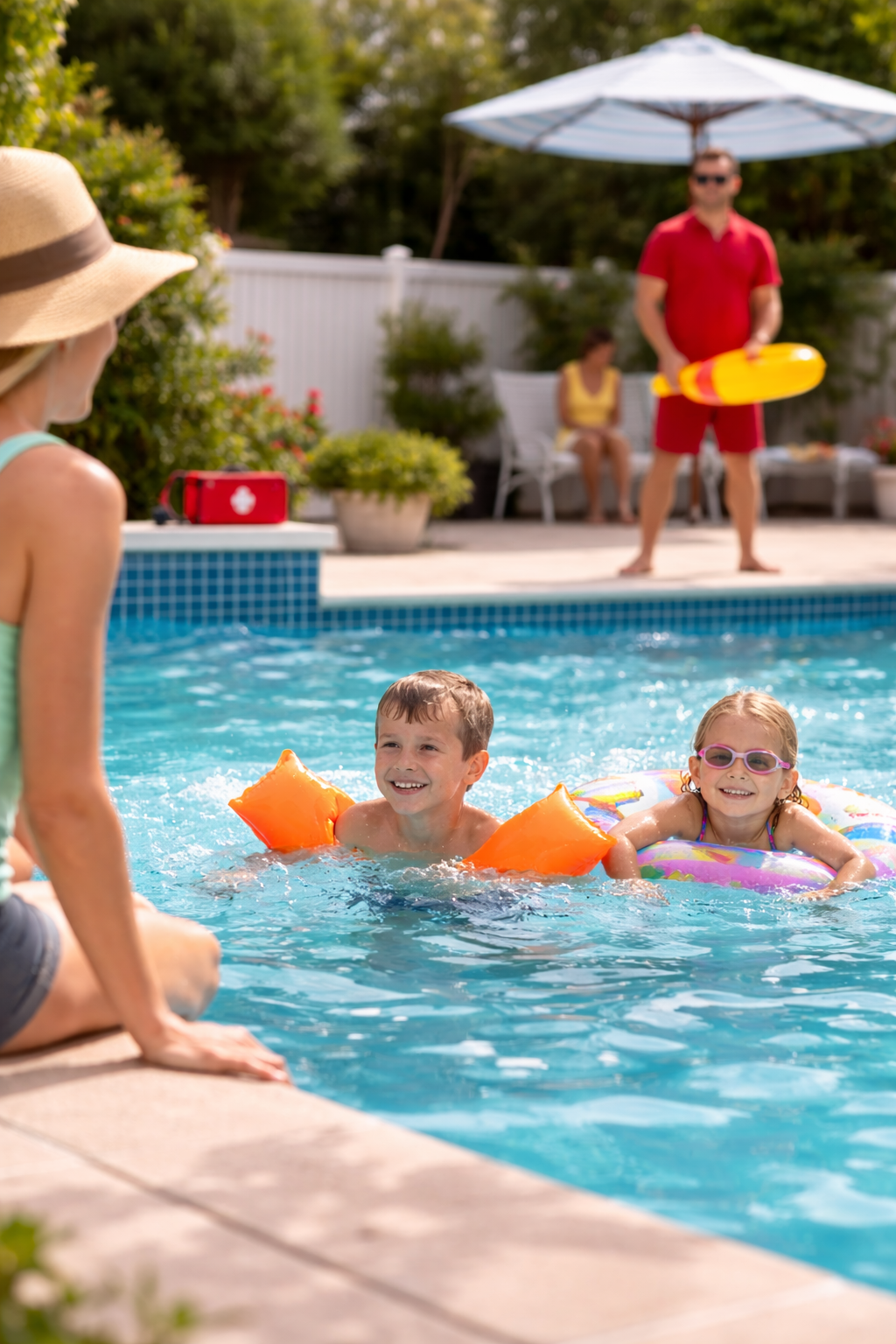
    šŸ‘€ 1. Always Supervise Children

    Above all, supervision saves lives.

    • Never leave children unattended
    • Stay within arm’s reach
    • Avoid distractions like phones

    šŸ‘‰ Even a few seconds can make a difference.

    .


    🚫 2. Secure Pool Areas Properly

    In addition, pool barriers are essential.

    • Install compliant pool fencing
    • Ensure gates are self-closing and self-latching
    • Regularly check for faults

    šŸ‘‰ These measures are required under safety regulations referenced by training.gov.au

    šŸŠ 3. Teach Basic Swimming Skills

    Furthermore, swimming lessons are a must.

    • Enrol children early
    • Teach floating and basic strokes
    • Practice water confidence

    šŸ‘‰ However, swimming ability does NOT replace supervision.

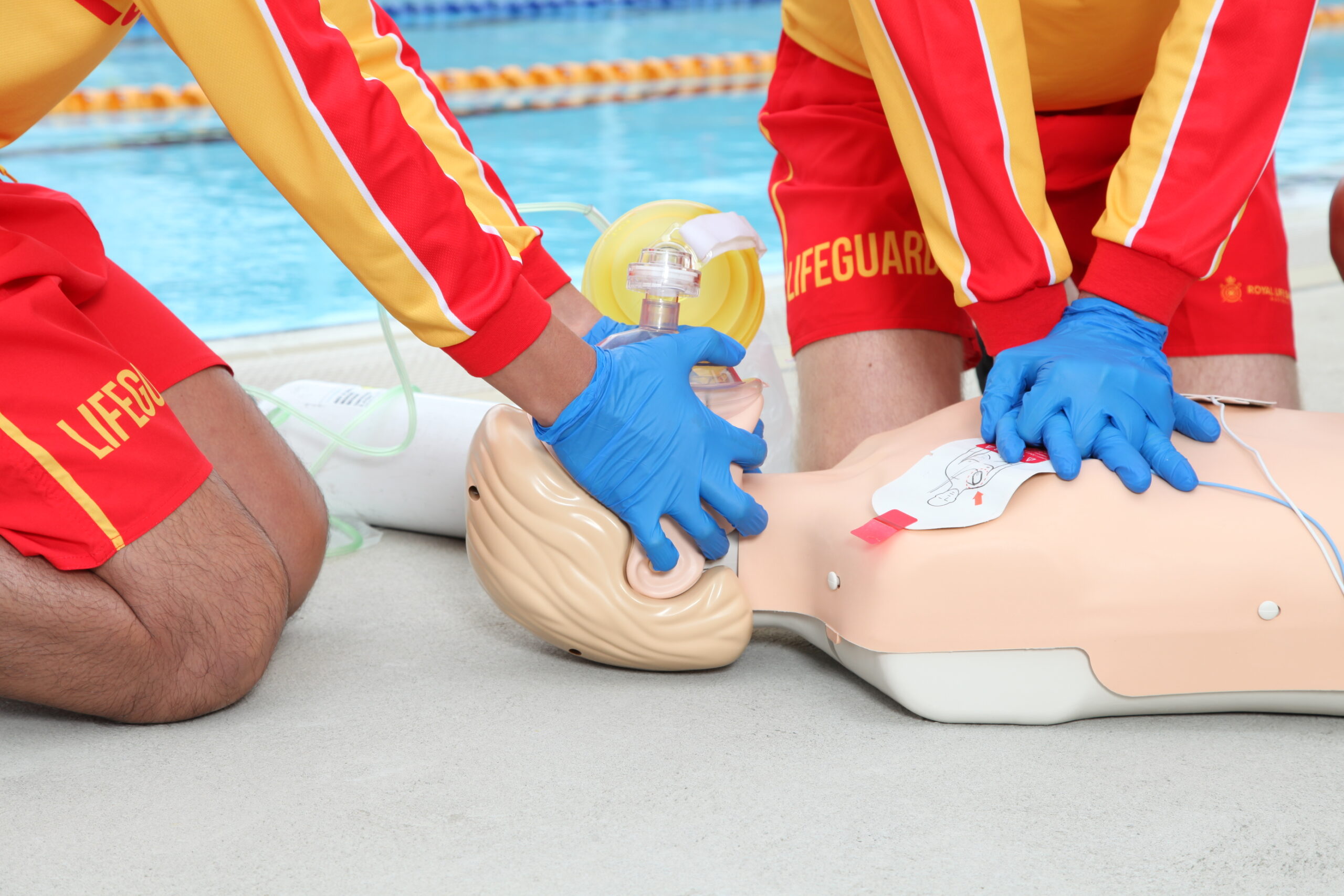
    🧠 4. Know CPR and First Aid
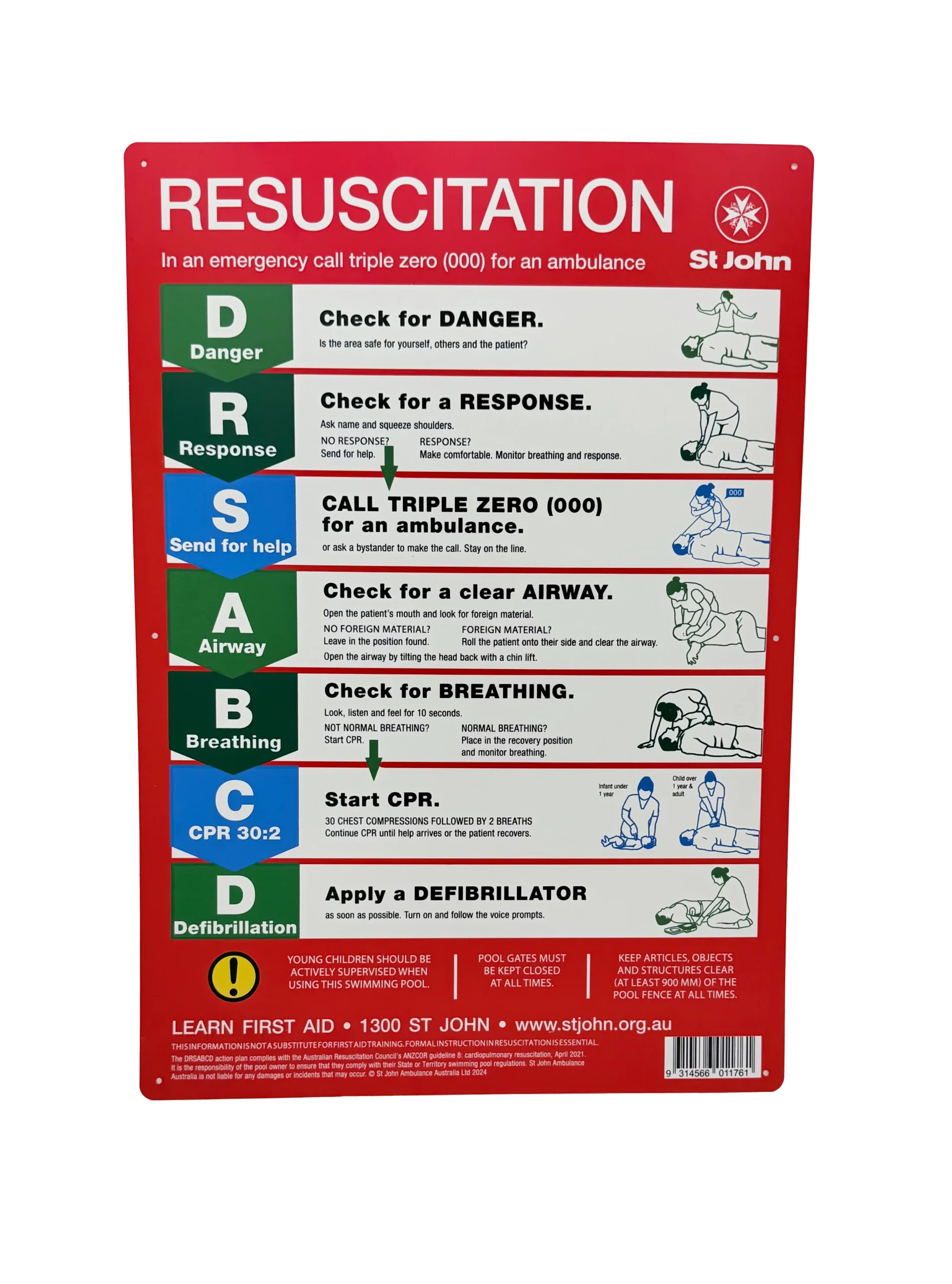
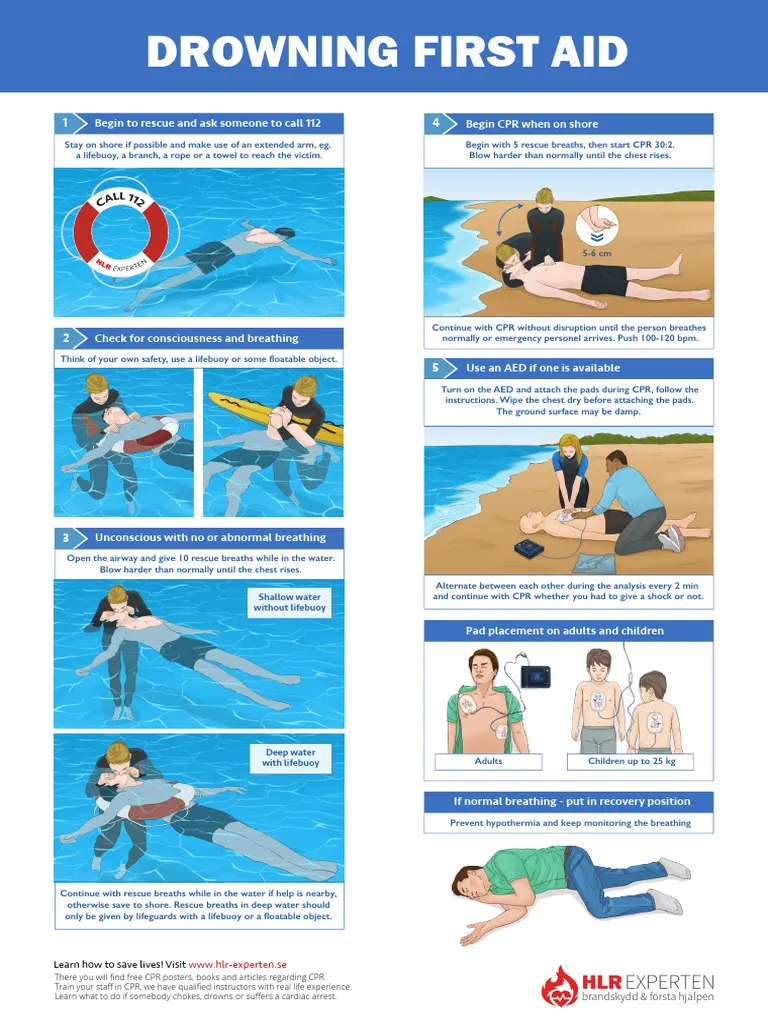
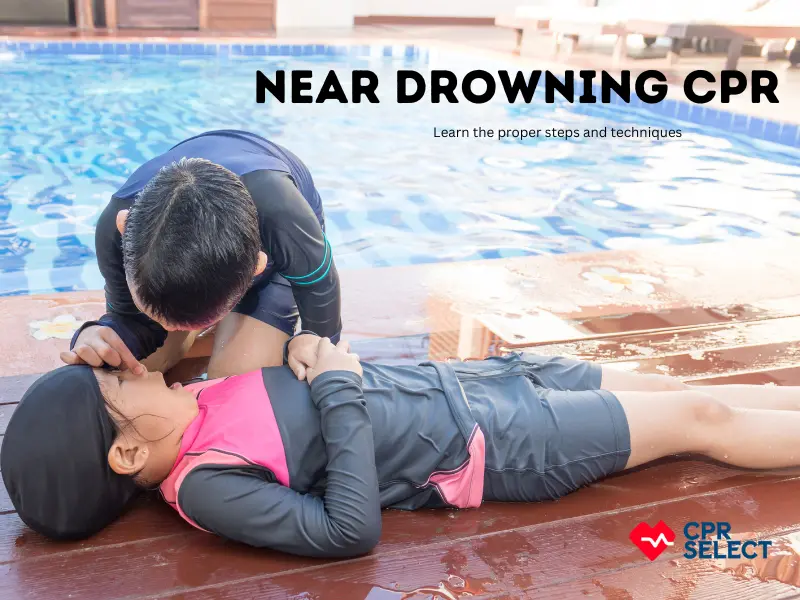
    Importantly, knowing what to do in an emergency can save a life.

    If someone is pulled from water:

    • Check breathing
    • Start CPR immediately if needed
    • Call emergency services (000)

    šŸ‘‰ Learn life-saving skills here:
    Provide First Aid
    CPR Course

    🚫 5. Avoid Alcohol Around Pools

    Moreover, alcohol increases risk.

    • Slows reaction time
    • Impairs judgment
    • Reduces supervision quality

    šŸ‘‰ Stay alert when responsible for others.

    🧓 6. Be Sun Smart Around Water

    Additionally, sun exposure can affect safety.

    • Use sunscreen (SPF 30+)
    • Wear hats and protective clothing
    • Stay hydrated

    šŸ‘‰ Heat and fatigue can lead to accidents.

    āš ļø 7. Learn Emergency Response for Drowning

    Drowning is often silent and quick.

    Signs include:

    • Head low in water
    • Gasping or struggling
    • Trying to roll onto back

    šŸ‘‰ Immediate action is critical.

    šŸ‘¶ Special Consideration: Children & Care Environments

    If you work with children:

    šŸ‘‰ Child Protection Course (Accredited):

    šŸ‘‰ Helps ensure safety compliance in childcare and education settings.

    šŸŒ Pool Safety Standards & Compliance

    Pool safety aligns with guidance from:

    • Australian Children’s Education & Care Quality Authority
    • ABC First Aid

    šŸ‘‰ Ensuring safe environments for families and communities.

    šŸ” Quick Pool Safety Checklist

    To summarise:

    • āœ… Supervise children at all times
    • āœ… Secure pool fencing and gates
    • āœ… Teach swimming skills early
    • āœ… Know CPR and first aid
    • āœ… Avoid alcohol while supervising

    FAQ Section

    Constant supervision – especially for children.

    Ā 

    Yes. Proper barriers significantly reduce drowning risk.

    No. Even strong swimmers need supervision.

    Call 000 immediately and begin CPR if necessary.

    Highly recommended – it can save lives in emergencies.

    rdion Content

    āœ… Final Thoughts

    Ultimately, pool safety rules for summer are about awareness, preparation, and responsibility.

    Because while pools bring joy, safety ensures that enjoyment lasts.

    šŸ‘‰ With the right precautions—and proper training—you can enjoy summer with confidence.

    šŸ”— Relevant Authority (Use These)

    ABC First Aid (RTO 3399)

    Nationally recognised training provider:

    ā€œDelivered in partnership with a nationally recognised training providerā€


    Training.gov.au

    Official course standards:

    ā€œaligned with official course standards on training.gov.auā€

    ACECQA

    Ā ACECQA requirements:

    ā€œmeeting ACECQA requirements for educatorsā€

    Australian Resuscitation CouncilĀ 

    Ā Australian Resuscitation Council guidelines:

    ā€œbased on Australian Resuscitation Council guidelinesā€

  • Sydney Heatwave Safety Tips: How to Stay Safe in Extreme Heat

    How to Stay Safe During Sydney Heatwaves (Essential Safety Tips for Families & Workplaces)

    Ā 

    Sydney summers can be intense. However, when a Sydney heatwave hits, temperatures can quickly become dangerous—especially for families, workers, and gym-goers.

    So, knowing how to stay safe during Sydney heatwaves isn’t just helpful—it’s essential. With the right preparation, you can prevent heat-related illnesses and respond effectively in an emergency.

    ā˜€ļø Why Sydney Heatwaves Are Dangerous

    During extreme heat conditions, your body struggles to cool down. As a result, this can lead to:

    • Heat exhaustion
    • Dehydration
    • Heatstroke (a life-threatening emergency)

    In fact, vulnerable groups—such as children, older adults, and active individuals—are at even greater risk during a heatwave in Sydney.

    šŸ’§ 1. Stay Hydrated at All Times

    First and foremost, hydration is critical.

    During a Sydney heatwave:

    • Drink water regularly (even if you’re not thirsty)
    • Avoid alcohol and sugary drinks
    • Increase intake during workouts or outdoor activity

    šŸ’” Especially for gym users and outdoor workers, hydration helps regulate body temperature and prevent heat stress.

    šŸ‹ļø 2. Adjust Your Exercise & Gym Routine

    While staying active is important, you should also adapt.

    Instead:

    • Train early morning or evening
    • Avoid peak heat (11am–3pm)
    • Take frequent breaks

    Additionally, always watch for warning signs like dizziness or nausea during workouts.

    ā¤ļø 3. Learn CPR – Be Ready for Emergencies

    Heatwaves can increase the risk of cardiac events, particularly during physical activity.

    That’s why learning CPR is crucial.

    šŸ‘‰ Get certified here

    With proper CPR training, you can:

    • Respond quickly
    • Stay calm under pressure
    • Potentially save a life

    🧓 4. Protect Yourself from the Sun

    Next, don’t underestimate UV exposure.

    To stay protected:

    • Apply SPF 30+ sunscreen
    • Wear hats and sunglasses
    • Seek shade whenever possible

    Moreover, sunburn can worsen dehydration and heat-related illness.

    🩹 5. Know Basic First Aid for Heat Illness

    Understanding first aid during heatwaves can make a major difference.

    If someone shows signs of heat exhaustion:

    • Move them to a cool place
    • Give water
    • Apply cool cloths

    However, if symptoms worsen (confusion, fainting), it could be heatstroke—call emergency services immediately.

    šŸ‘‰ Learn full first aid skills here

    šŸ‘¶ 6. Keep Children & Families Safe

    Children are more sensitive to heat. Therefore, extra care is needed.

    Make sure to:

    • Never leave kids in cars
    • Keep them hydrated
    • Limit outdoor play during peak heat

    šŸ‘‰ For family and childcare safety

    šŸ  7. Stay Cool Indoors

    Whenever possible:

    • Use air conditioning or fans
    • Close blinds during the day
    • Take cool showers

    If your home gets too hot, consider visiting:

    • Shopping centres
    • Libraries
    • Community cooling spaces

    šŸš‘ 8. Be Prepared, Not Reactive

    Ultimately, preparation is key.

    By learning heatwave safety tips in Sydney, along with CPR and first aid, you can:

    • Reduce risks
    • Respond confidently
    • Protect your family and others

    Final Thoughts

    Sydney heatwaves are becoming more frequent. However, with the right knowledge and preparation, you can stay safe and in control.

    So, whether you’re at home, at the gym, or outdoors, always remember:
    prevention, awareness, and quick action save lives.

    FAQs

    Stay hydrated, avoid peak heat, stay indoors when possible, and monitor for signs of heat illness.

    Dizziness, sweating, nausea, fatigue, and headache.

    If symptoms worsen into confusion, fainting, or lack of sweating, it may be heatstroke—seek urgent help.

    Yes. Heat stress can trigger cardiac events, especially during physical activity.