
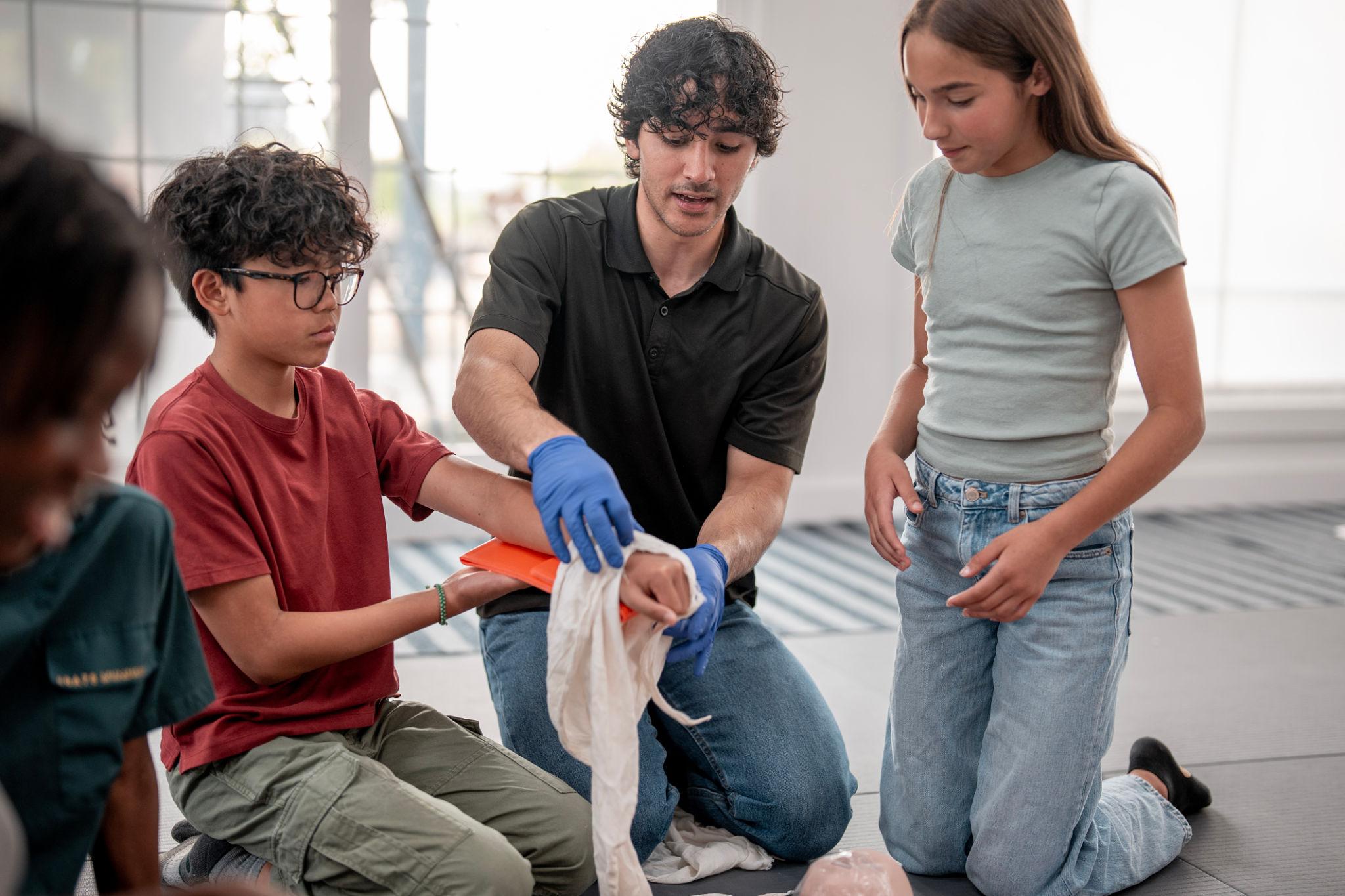
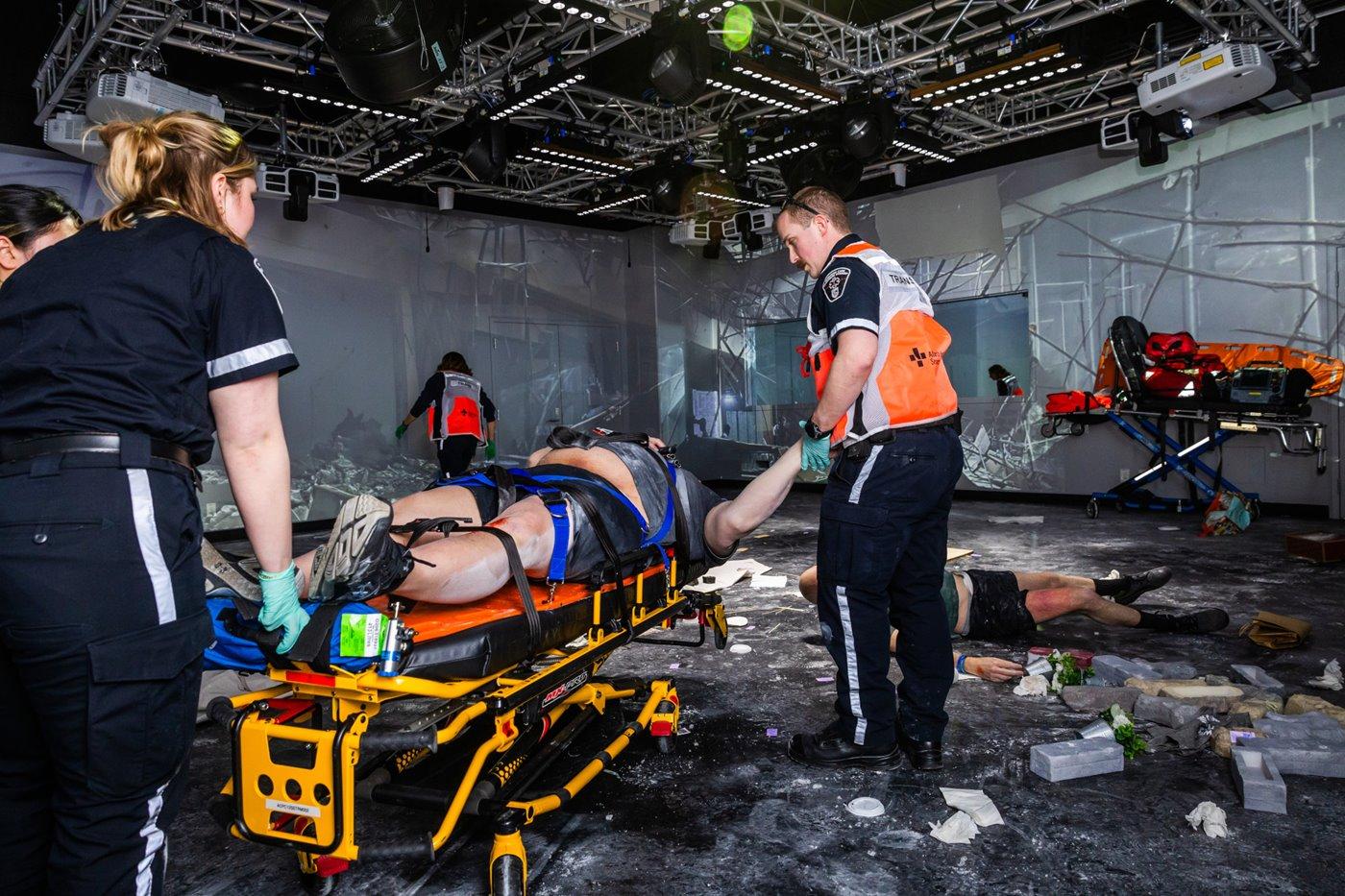
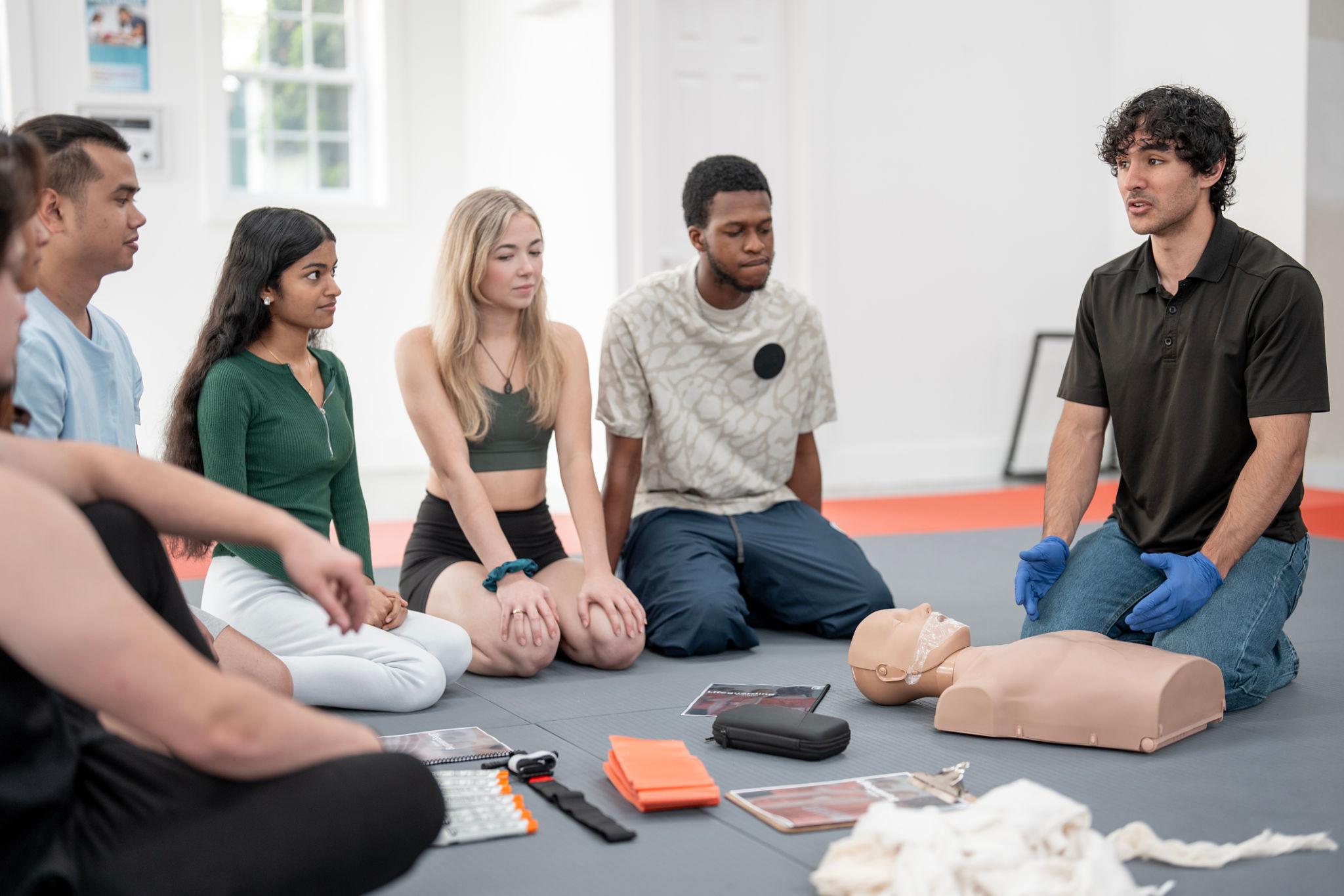
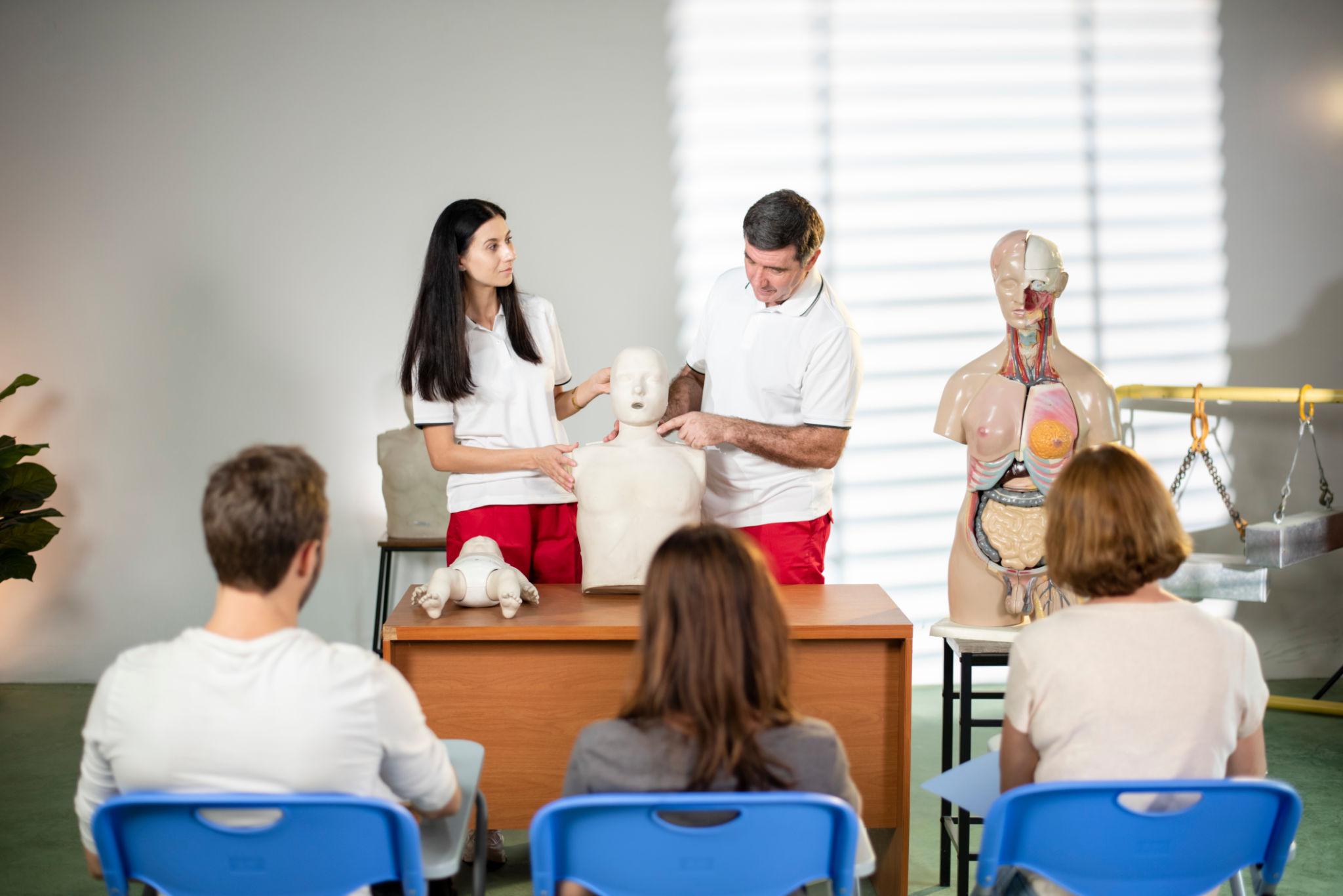

🎯 Why Trainers Use Scenario-Based Learning in First Aid Training

You’re in a classroom. You’re listening. Taking notes.
But then the trainer says:
👉 “Someone has collapsed. What do you do?”
Suddenly—it feels real.
Your heart rate goes up. You think faster. You react.
That’s the power of scenario-based learning.
And it’s exactly why trainers across Sydney use it in first aid and CPR courses.
Let’s break it down 👇
🧠 What Is Scenario-Based Learning?
Scenario-based learning means:
- Learning through real-life simulations
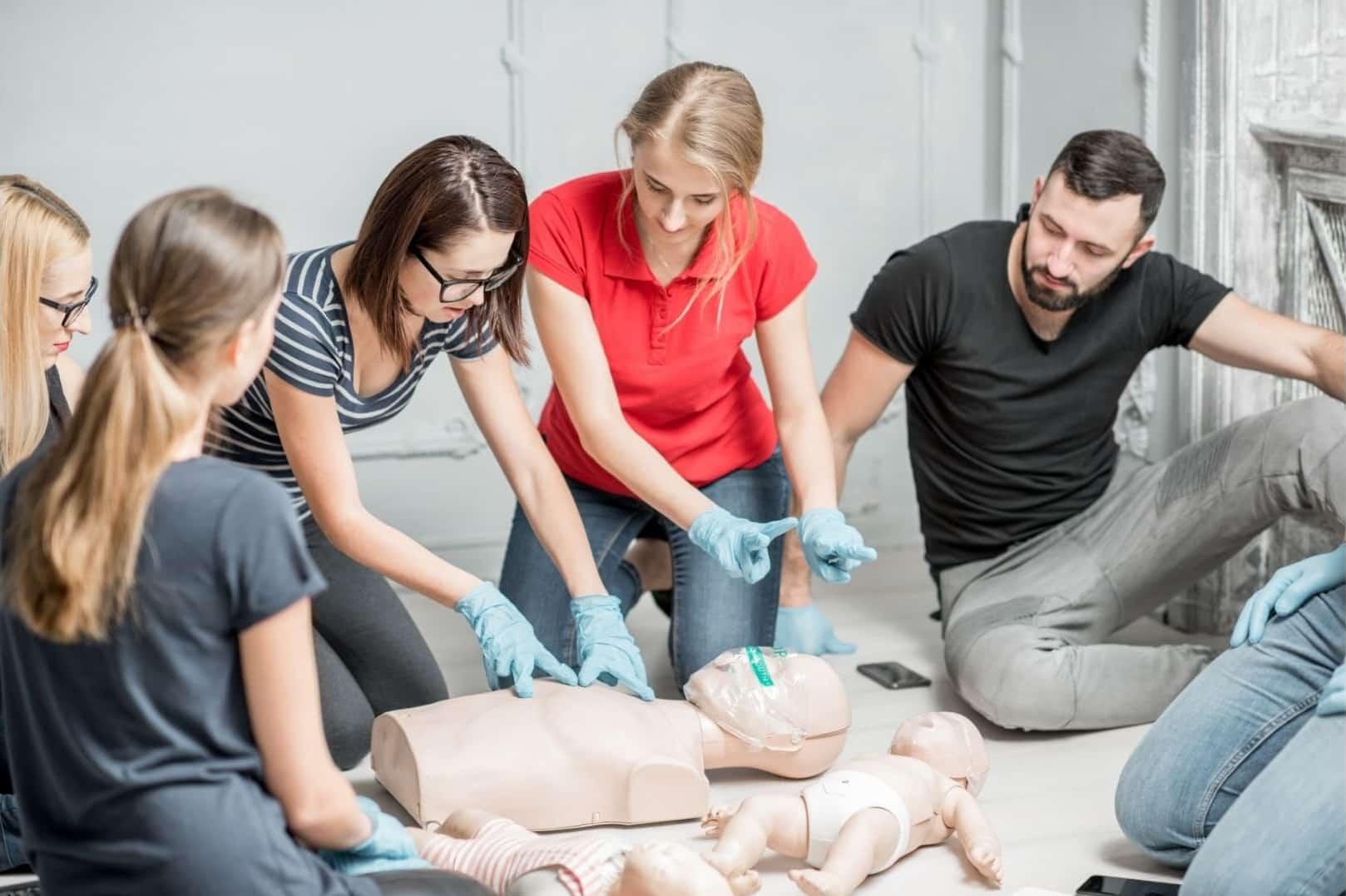
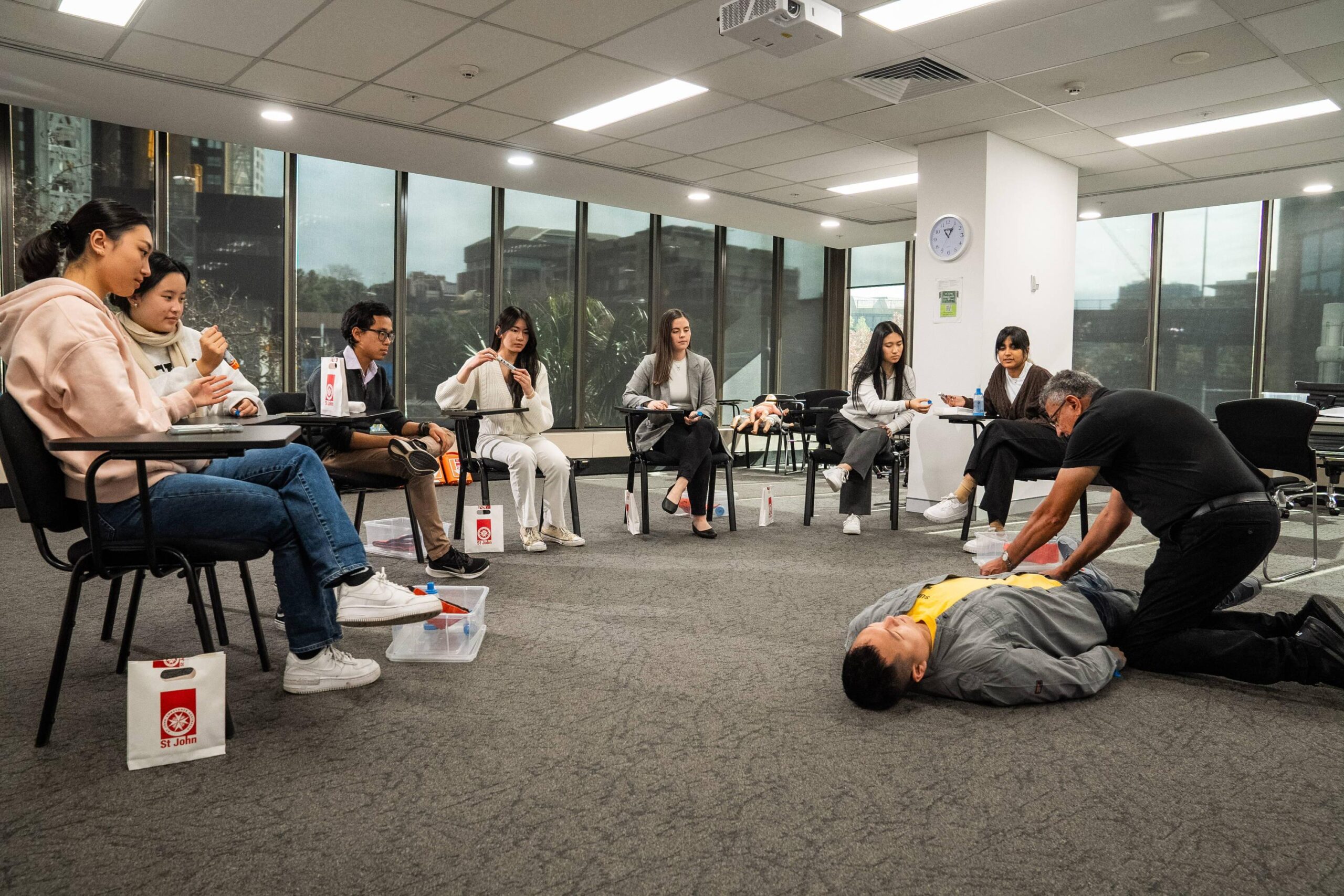
- Practising real emergencies
- Making decisions under pressure
👉 Instead of just learning theory—you experience it
⚡ Why It Works So Well
1. It Feels Real
When you’re placed in a scenario:
- You think faster
- You feel pressure
- You act like it’s real
👉 This builds confidence.
2. It Improves Memory
People forget lectures—but remember experiences.
- Hands-on practice sticks
- Real scenarios create strong recall
- You’re more likely to act correctly later
👉 This is critical in emergencies.
3. It Builds Confidence Under Pressure
Emergencies are stressful.
Scenario training helps you:
- Stay calm
- Make decisions quickly
- Take action without hesitation
👉 Confidence can save lives.
🩺 How It’s Used in First Aid & CPR Training
In courses like:
- Provide First Aid (HLTAID011)
- CPR (HLTAID009)
👉 You’ll experience scenarios like:
- Someone collapsing
- Choking emergencies
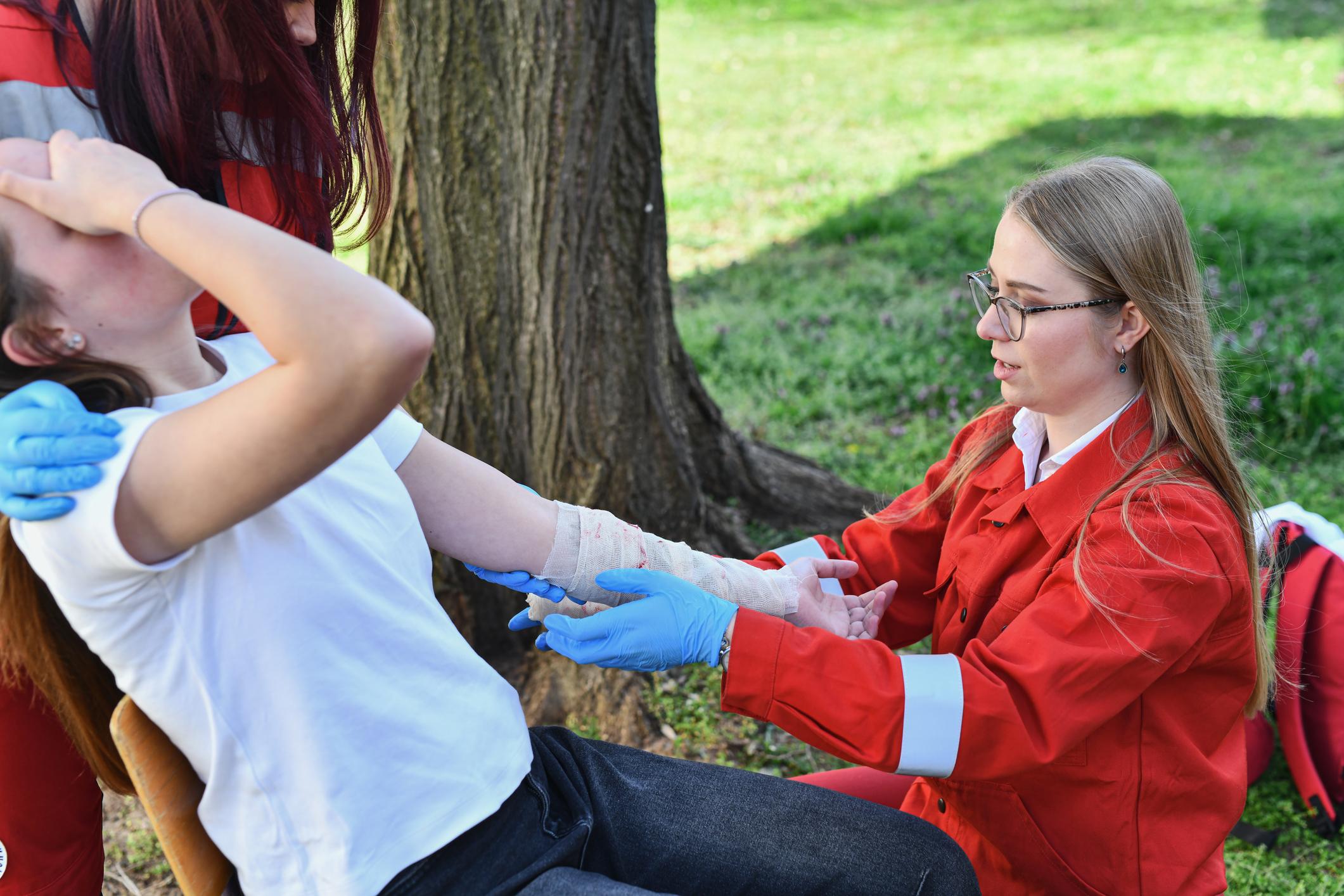
- Injuries at work
Learn here:
https://trainingnsw.org/provide-first-aid-hltaid011/
https://trainingnsw.org/cpr-hltaid009/
🎭 Real vs Theory-Based Learning
| Traditional Learning | Scenario-Based Learning |
|---|---|
| Passive | Active |
| Listening | Doing |
| Easy to forget | Easy to remember |
| Low pressure | Realistic pressure |
👉 Scenario-based learning wins—every time.
👥 Why Trainers Prefer This Method
Trainers use it because:
- Students engage more
- Skills improve faster
- Confidence increases significantly
👉 It produces real-world readiness
🌍 Training Standards & Quality
Scenario-based learning aligns with:
- training.gov.au
- Australian Children’s Education & Care Quality Authority
👉 Ensuring high-quality, practical training.
🔁 Quick Benefits Summary
- ✅ More engaging
- ✅ Better memory retention
- ✅ Builds confidence
- ✅ Prepares for real emergencies
FAQ Section
Yes—it improves understanding and retention.
Most high-quality courses do.
No—it’s guided and beginner-friendly.
Because CPR requires fast, confident action.
Absolutely—it prepares you for real situations.
✅ Final Thoughts
When it comes to emergencies, knowing isn’t enough.
👉 You need to act
That’s why scenario-based learning in first aid training is so powerful—it prepares you for the moment that matters most.
Relevant Authority (Use These)
ABC First Aid (RTO 3399)
Nationally recognised training provider:
“Delivered in partnership with a nationally recognised training provider”
Training.gov.au
Official course standards:
“aligned with official course standards on training.gov.au”
ACECQA
ACECQA requirements:
“meeting ACECQA requirements for educators”
Australian Resuscitation Council
Australian Resuscitation Council guidelines:
“based on Australian Resuscitation Council guidelines”


