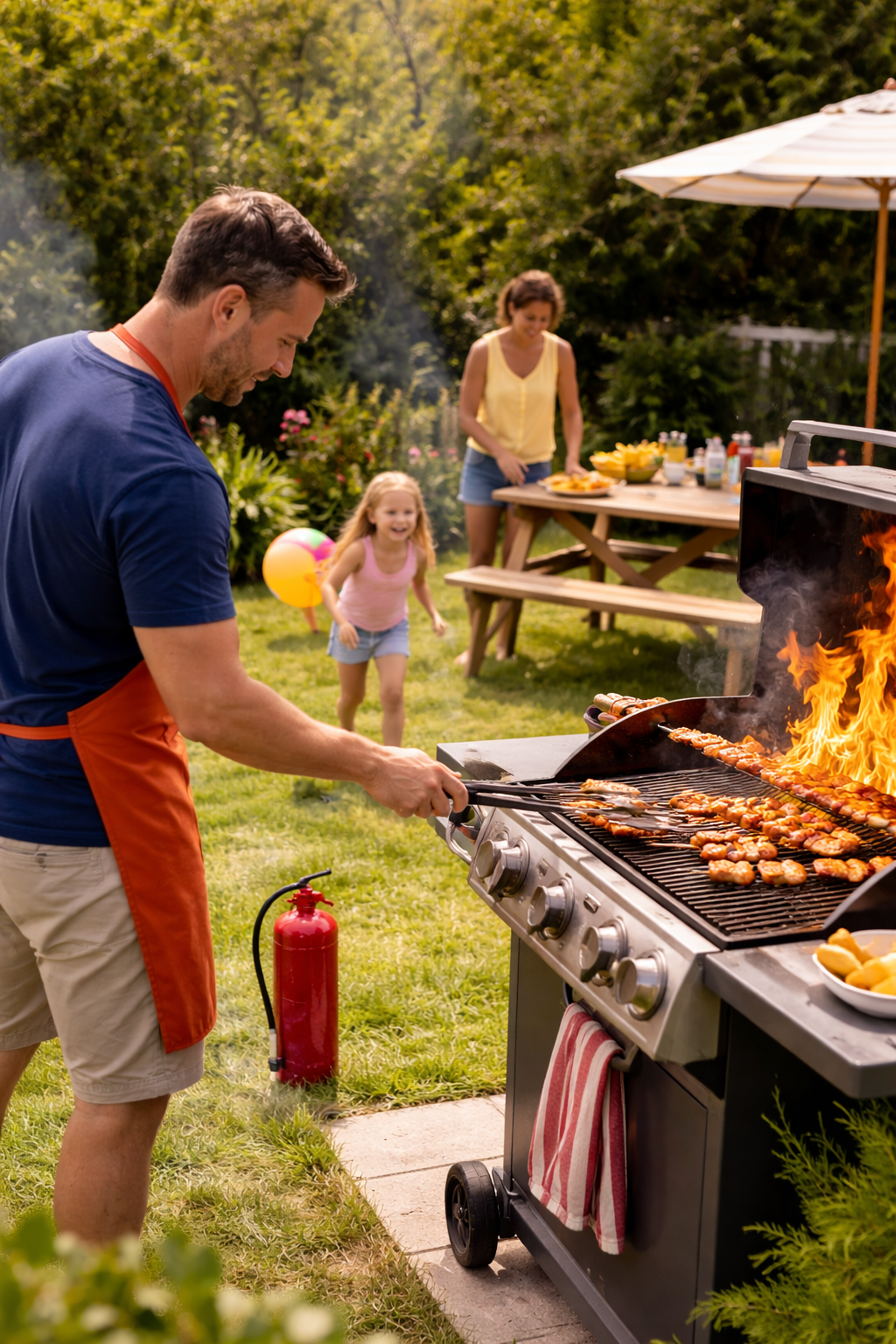
It’s a warm Sydney afternoon. The BBQ is fired up, kids are playing, and everyone’s relaxed.
Then suddenly—someone yells. A flare-up. A burnt hand. Panic.
The truth is, BBQ accidents happen fast—and often when no one is expecting them.
That’s why knowing simple BBQ safety tips for families in Sydney can make all the difference between a great day… and an emergency.
Let’s break it down 👇
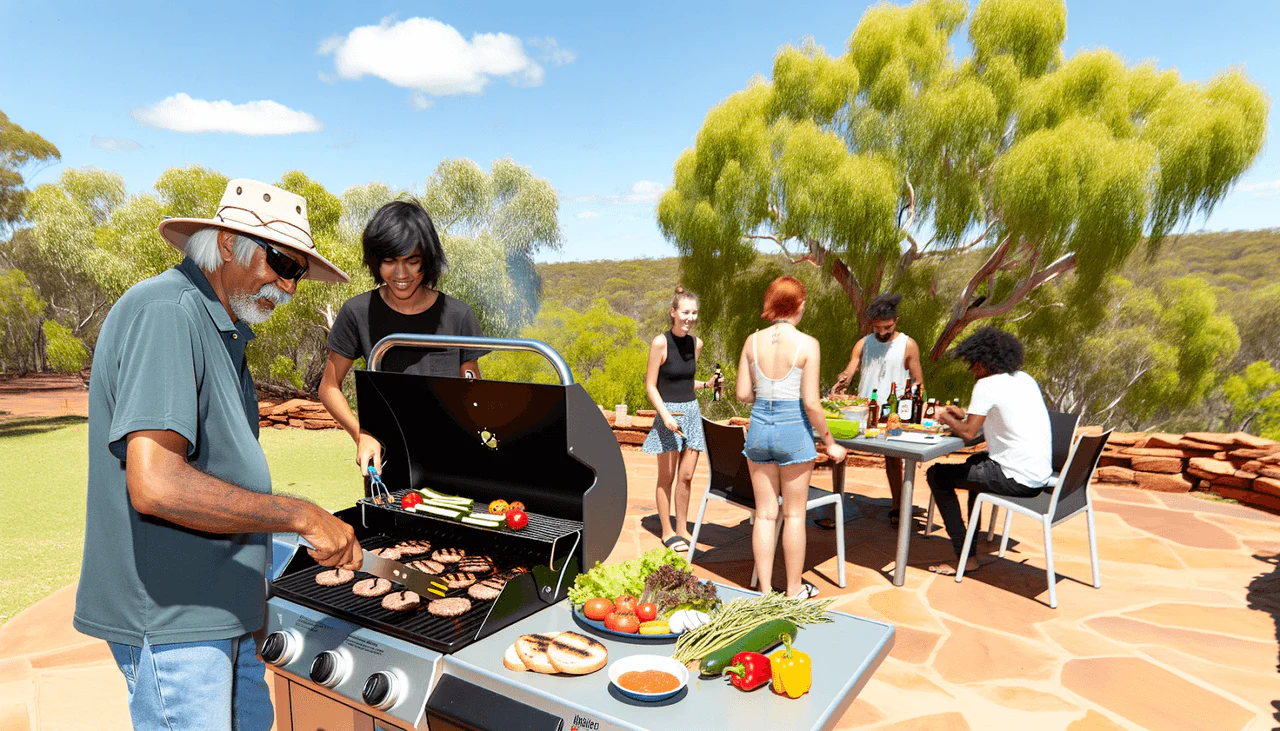
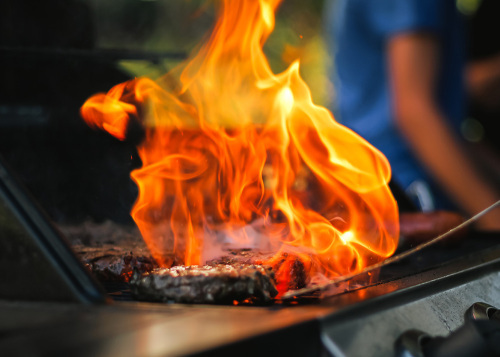
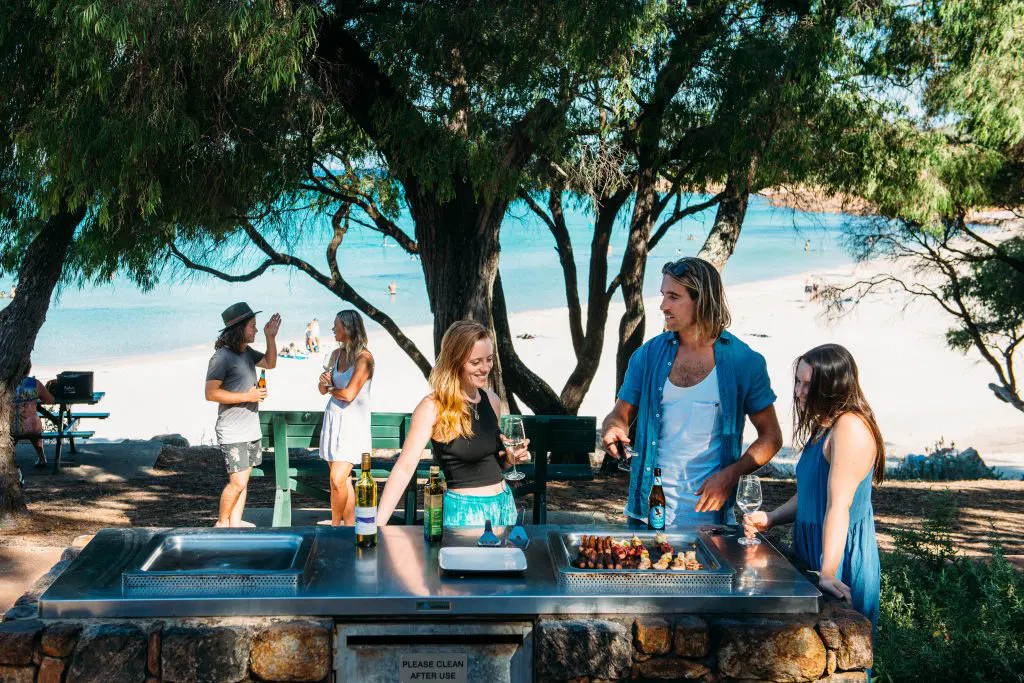
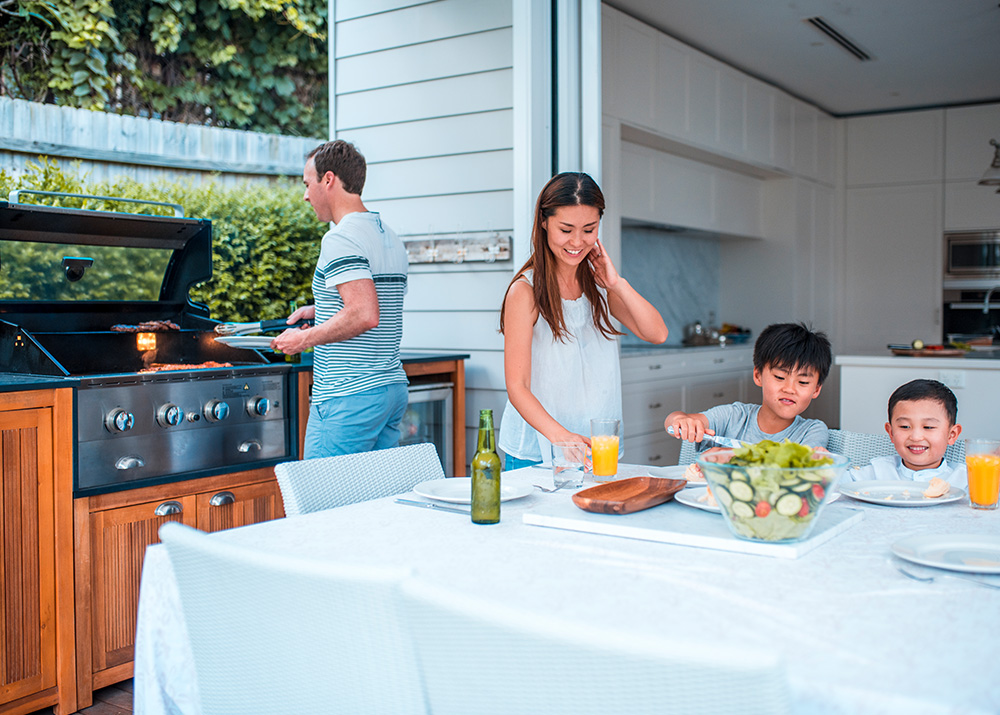
Firstly, BBQs are one of the most common causes of:
Especially during summer, when usage increases.
👉 Most accidents happen due to small mistakes
This is the #1 rule.
👉 Even a few seconds can lead to flare-ups or fires.
Curiosity and heat don’t mix.
👉 Most burn injuries involve children getting too close.
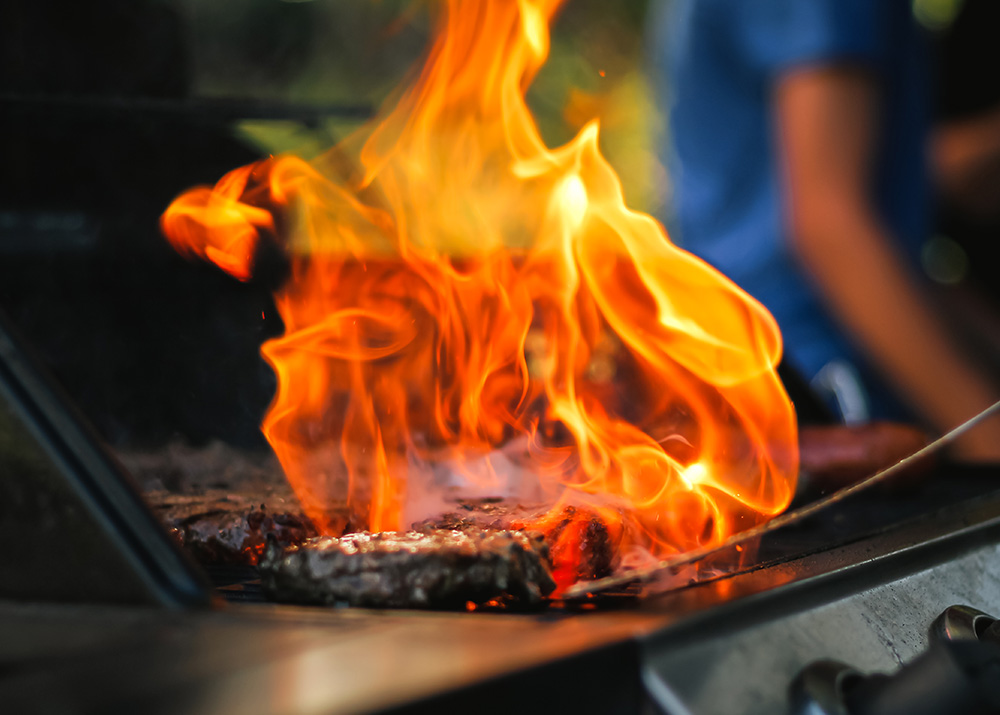
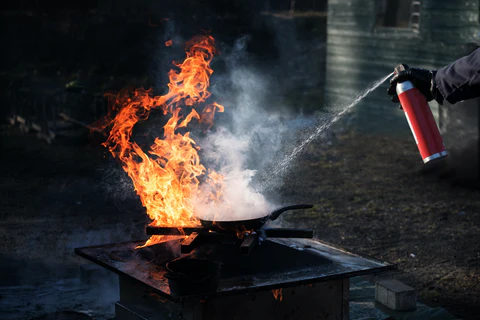
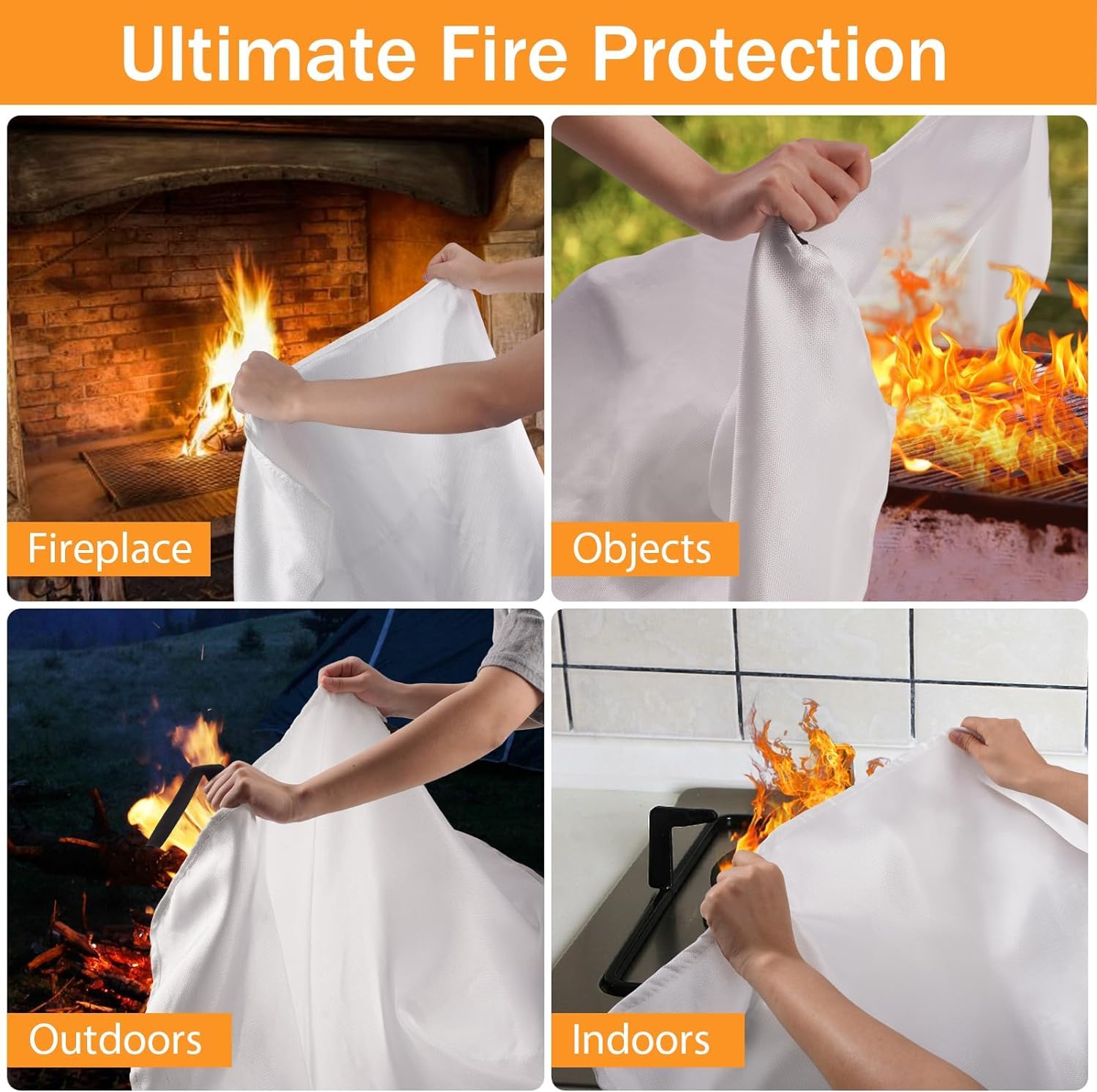
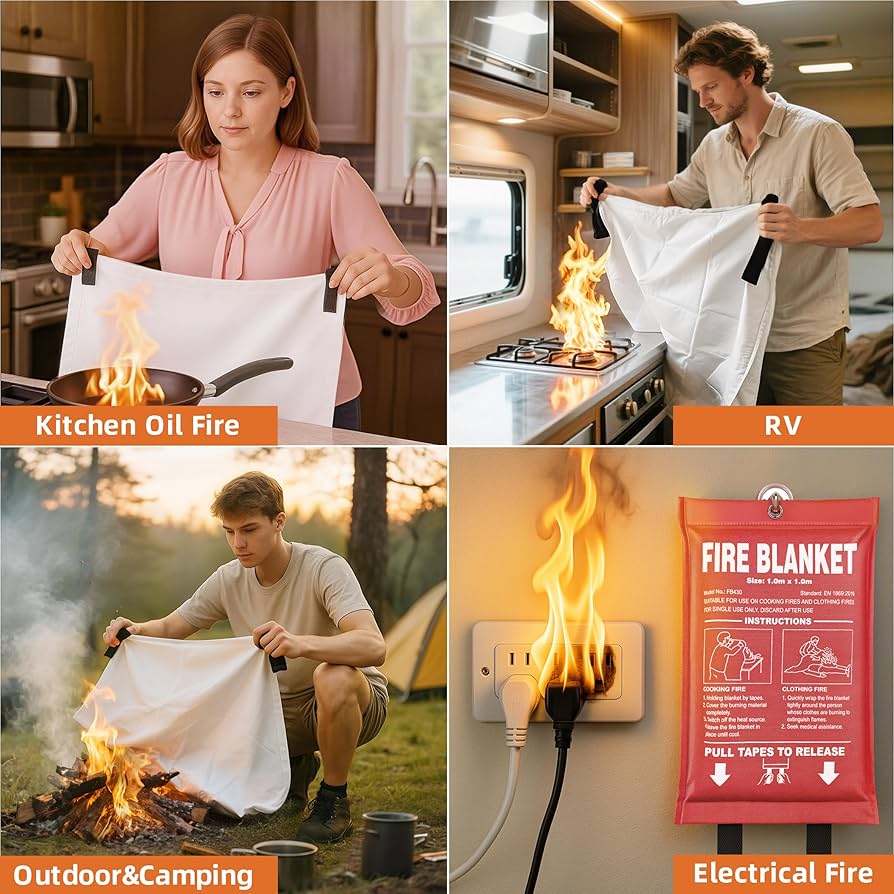
Accidents happen—but preparation saves lives.
Have nearby:
👉 Never use water on grease fires—it can make things worse.
If someone gets burned:
👉 Learn more here:
Provide First Aid (HLTAID011)
CPR Course (HLTAID009)
Gas leaks are a hidden danger.
👉 If you smell gas—stop immediately.
Additionally, outdoor conditions matter.
👉 Wind can spread flames quickly.
Too much food = more grease = higher fire risk.
👉 This reduces flare-ups significantly.
If you’re hosting families:
👉 Safety starts with responsibility.
BBQ and fire safety awareness aligns with:
👉 Especially important in family and childcare environments.
Leaving the BBQ unattended—this causes most accidents.
No—especially grease fires. Use a fire blanket or extinguisher.
Cool under running water for 20 minutes and cover it.
Yes, if supervised and a safe distance is maintained.
Absolutely—it can prevent minor injuries from becoming serious.
BBQs are a big part of Sydney summers—but safety should always come first.
Because with just a few simple precautions, you can enjoy your time with family without the risk.
👉 And when you’re prepared, you’re in control.
 Relevant Authority (Use These)
Nationally recognised training provider:
“Delivered in partnership with a nationally recognised training provider”
Official course standards:
“aligned with official course standards on training.gov.au”
ACECQA
ACECQA requirements:
“meeting ACECQA requirements for educators”
Australian Resuscitation Council
Australian Resuscitation Council guidelines:
“based on Australian Resuscitation Council guidelines”
