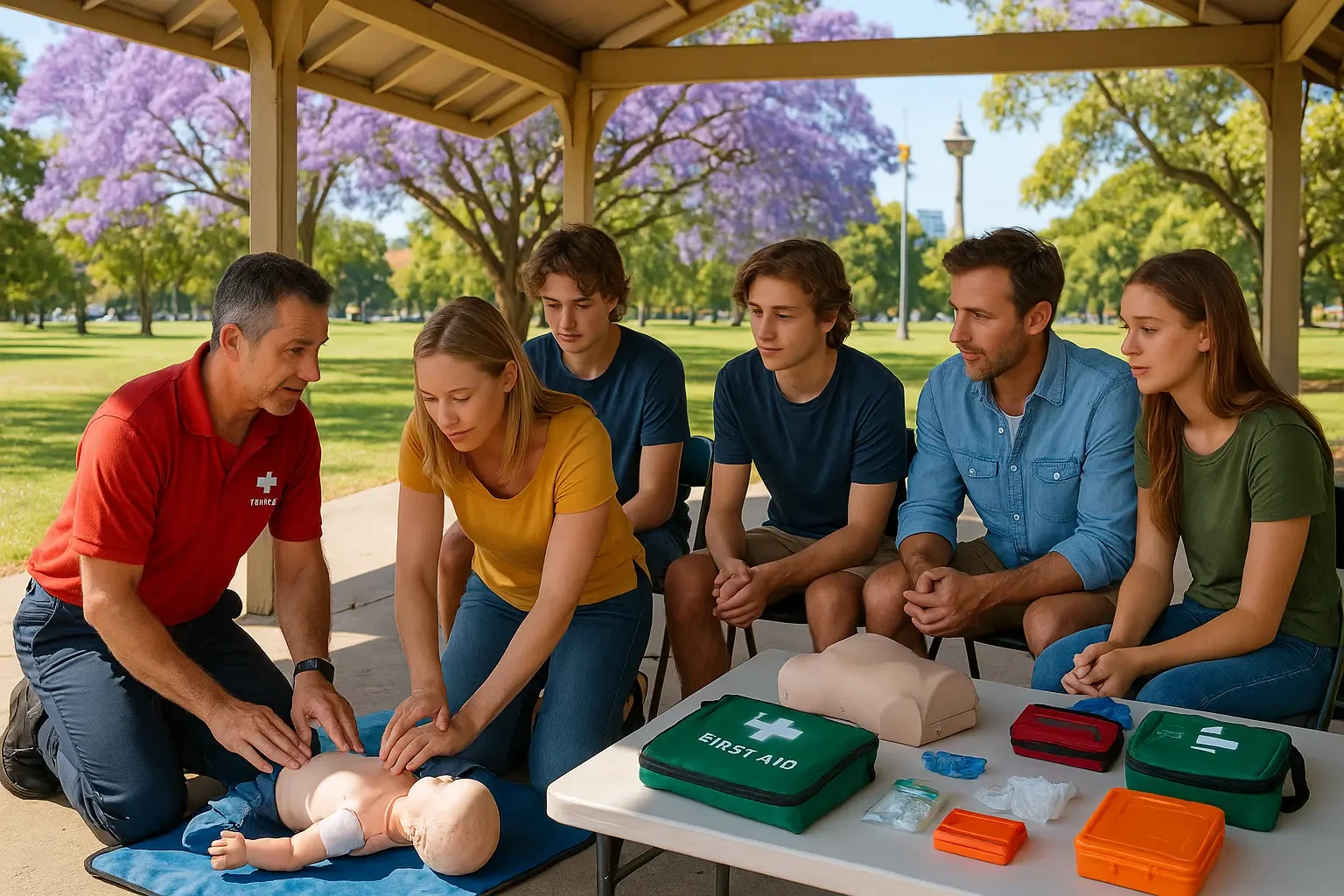
Tag: hands-on first aid training

  • What Makes a Great First Aid Trainer in Sydney? Key Skills!

    🎓 What Makes a Great First Aid Trainer? Key Qualities to Look For
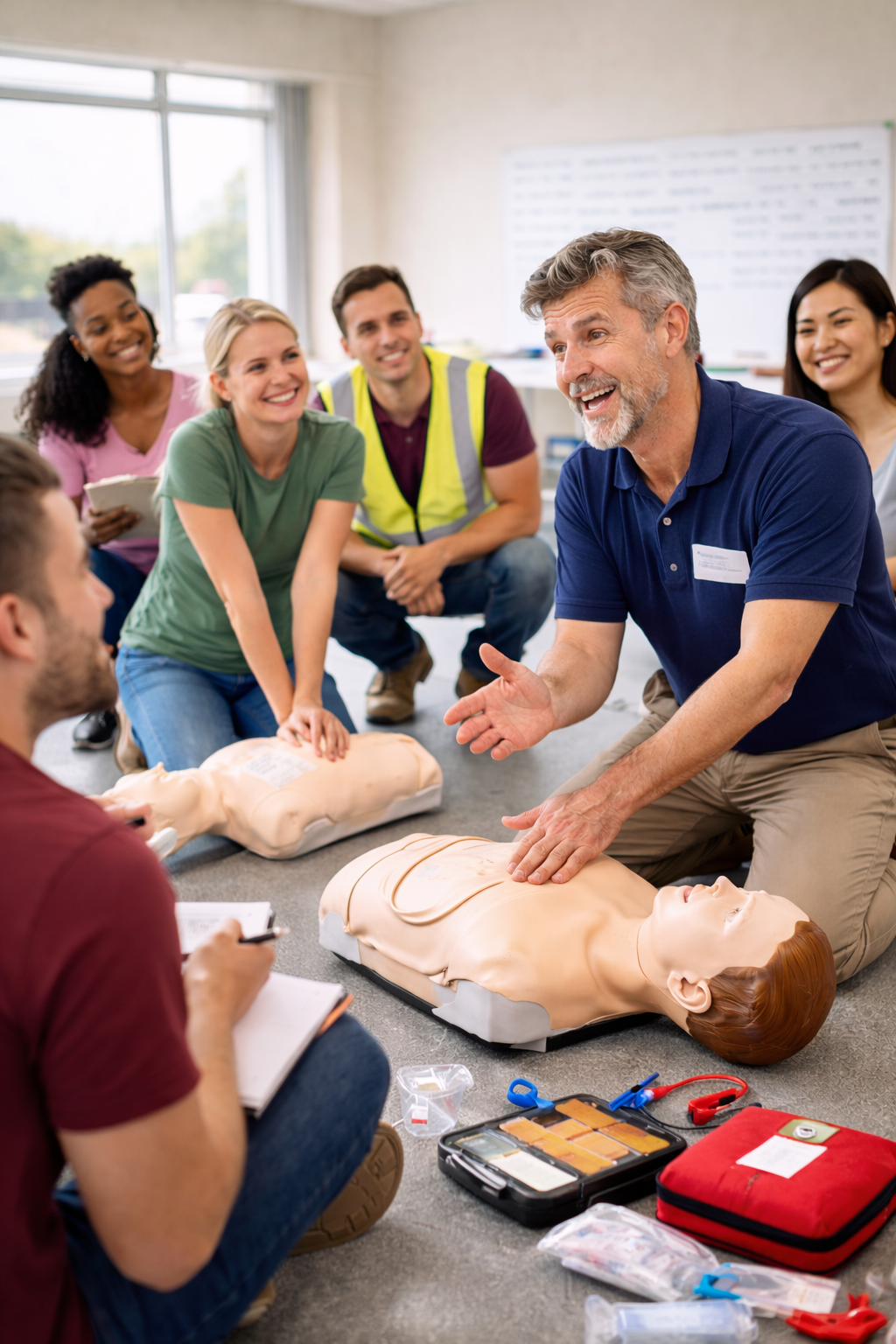
     

    Choosing the right trainer can make all the difference when learning life-saving skills. After all, a great trainer doesn’t just teach—they build confidence, simplify complex situations, and prepare you for real emergencies.

    So, what exactly makes a great first aid trainer in Sydney?

    Let’s break it down.

    👨‍🏫 1. Real-World Experience Matters

    Firstly, the best trainers bring real-life experience into the classroom.

    Whether they’ve worked in:

    • Emergency response
    • Healthcare
    • Workplace safety

    👉 They teach beyond theory—using real scenarios that prepare you for actual emergencies.

    đź§  2. Ability to Simplify Complex Situations

    Additionally, first aid can feel overwhelming at first.

    However, a great trainer:

    • Breaks down steps clearly
    • Uses simple language
    • Focuses on what actually matters in an emergency

    👉 This ensures students leave feeling confident—not confused

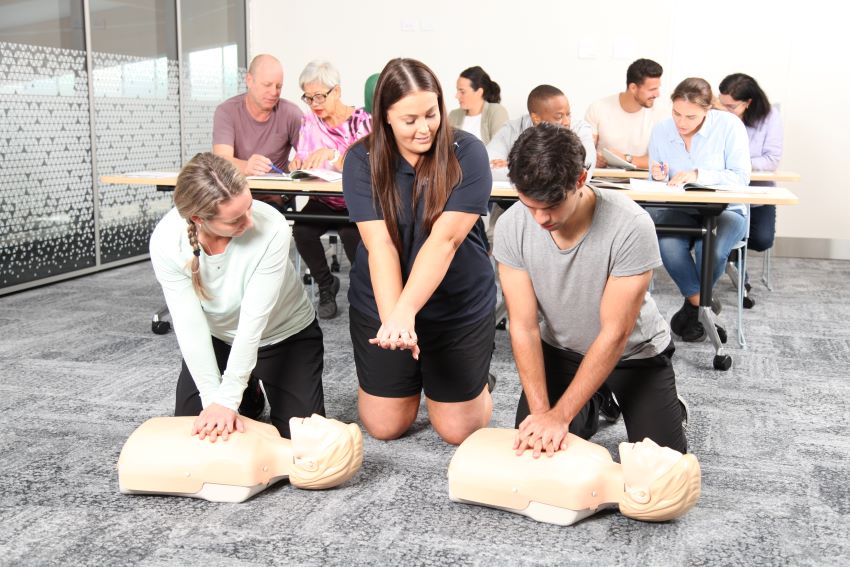
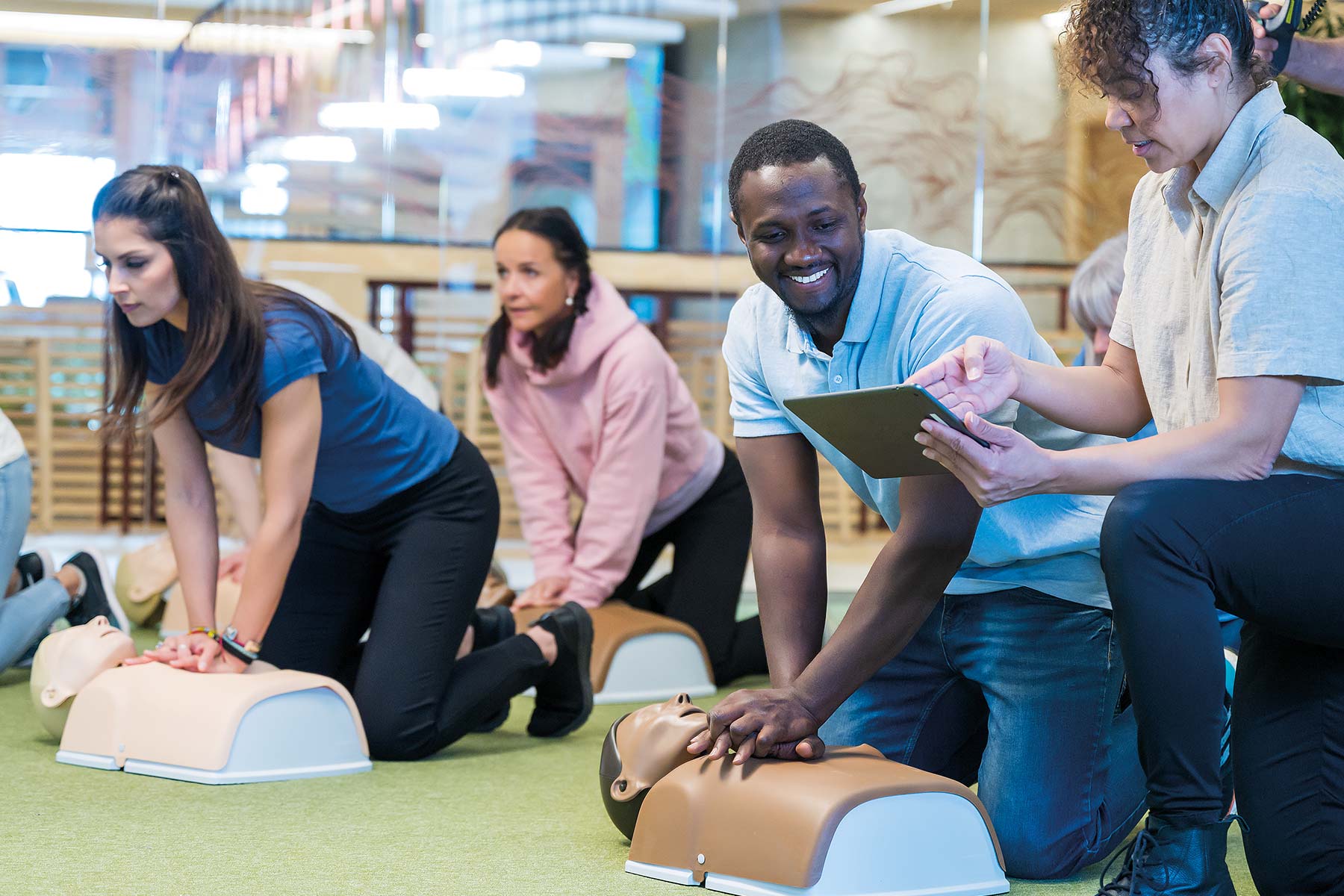
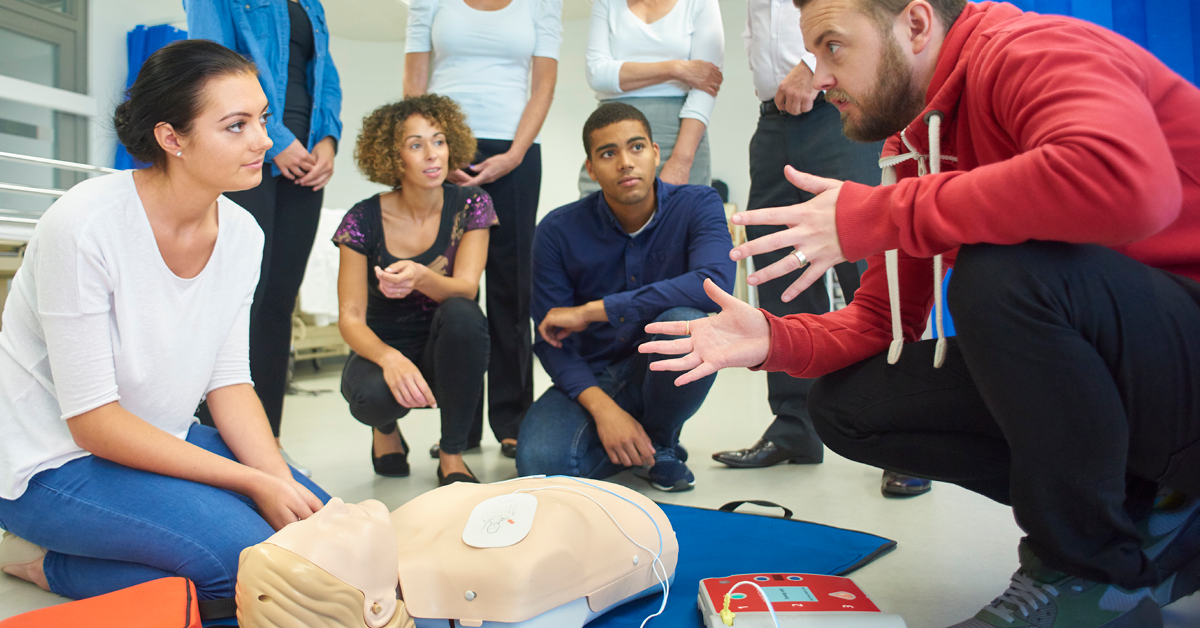
    ❤️ 3. Hands-On, Practical Teaching Style
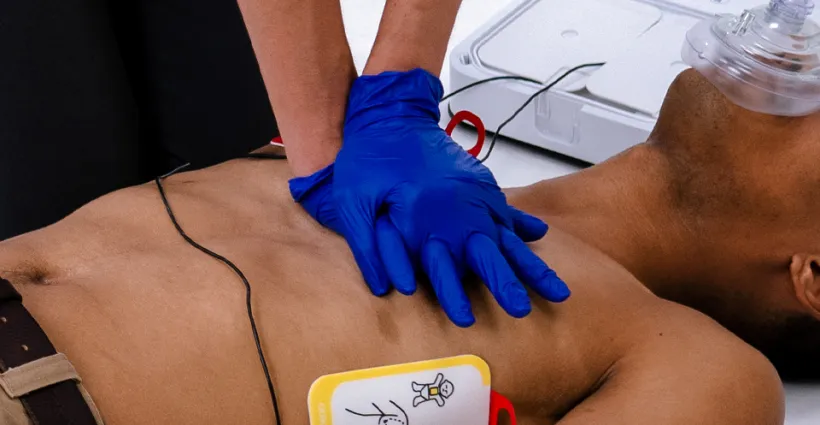
    Importantly, first aid is not something you learn passively.

    A great trainer prioritises:

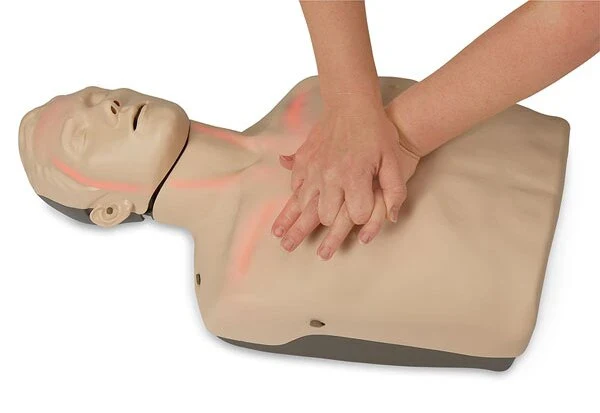
    • Practical CPR training
    • Real-life simulations
    • Repetition until you get it right

    👉 Because in emergencies, muscle memory saves lives.

    🗣️ 4. Strong Communication & Engagement

    Furthermore, engagement is key.

    The best trainers:

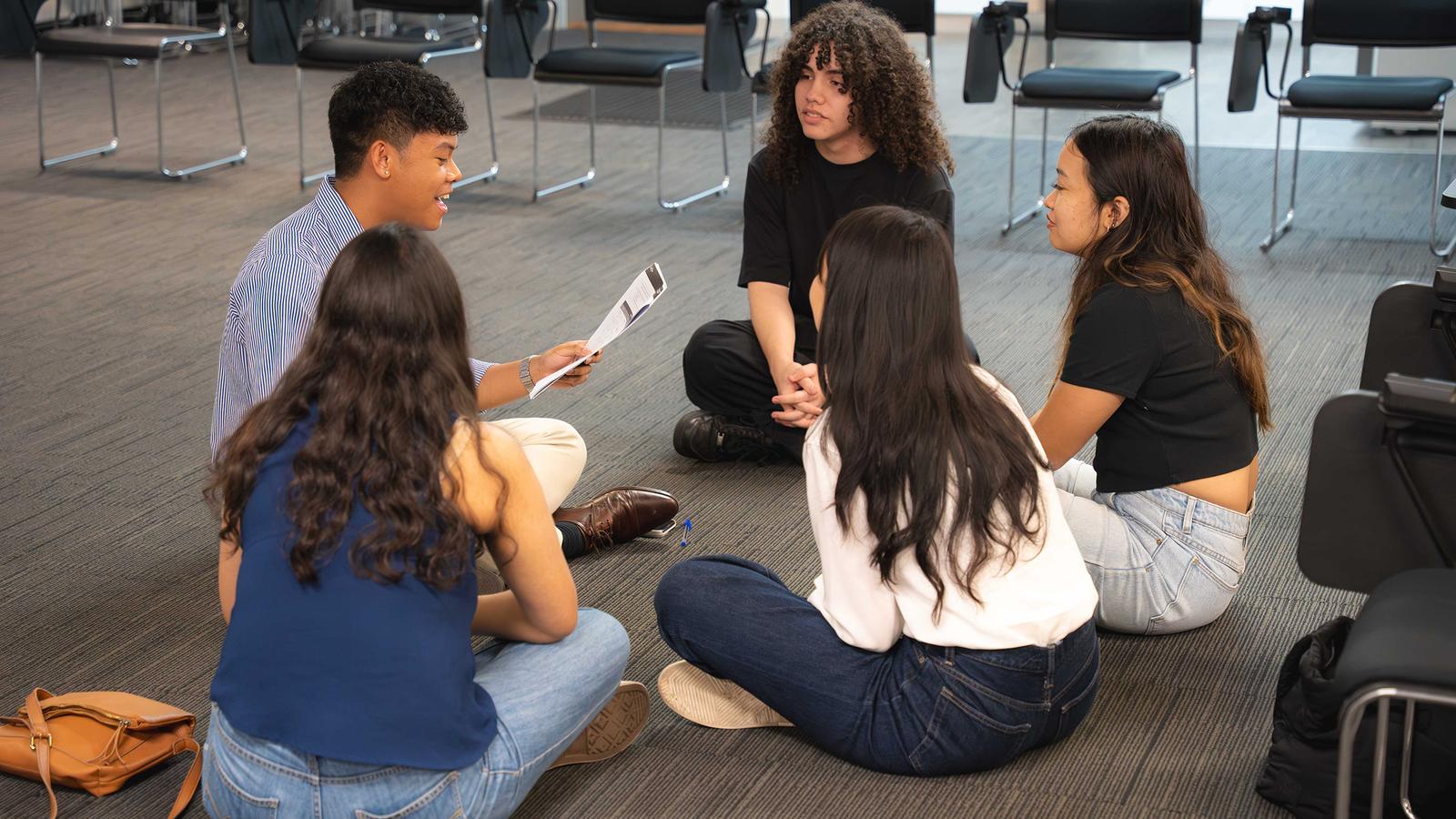
    • Keep sessions interactive
    • Encourage questions
    • Create a relaxed learning environment

    👉 This helps students stay focused and absorb information better.

    đź“‹ 5. Knowledge of National Standards

    In addition, a professional trainer ensures all content aligns with national requirements.

    👉 Courses should follow standards from training.gov.au

    This ensures your certification is:

    • Recognised
    • Valid across Australia
    • Industry compliant

    ⚡ 6. Efficient & Structured Training Delivery
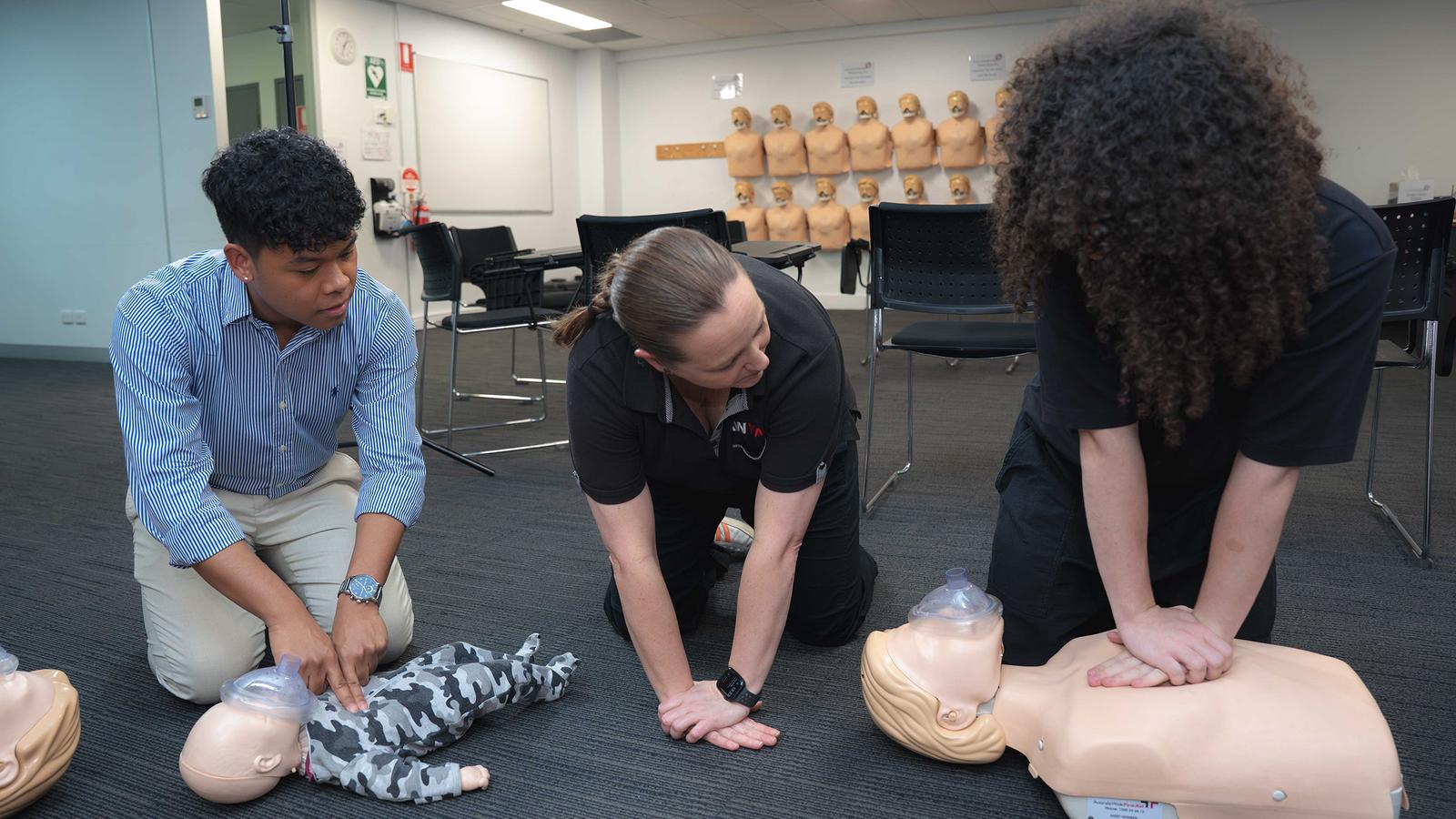
    Moreover, time matters—especially for busy professionals.

    A great trainer:

    • Keeps sessions concise
    • Focuses on high-impact learning
    • Avoids unnecessary theory

    👉 Result: You learn faster without sacrificing quality.

    👥 7. Adaptability to Different Learners

    Every group is different.

    Therefore, top trainers:

    • Adjust to different skill levels
    • Support nervous beginners
    • Challenge more experienced learners

    👉 This ensures everyone benefits from the session

    🏆 8. Builds Confidence, Not Just Skills

    Ultimately, the goal isn’t just knowledge—it’s confidence.

    A great first aid trainer ensures:

    • You know what to do
    • You feel ready to act
    • You don’t panic in real situations

    👉 That confidence is what truly saves lives.

    📚 Learn from Qualified Trainers

    If you’re looking to train with experienced professionals:

    👉 Delivered in partnership with ABC First Aid

    🌍 Industry Standards & Trust

    High-quality training aligns with:

    • Australian Children’s Education & Care Quality Authority
    • training.gov.au

    👉 Ensuring credibility and compliance.

    FAQ Section

    They should be certified, experienced, and aligned with nationally recognised training standards.

    Yes—practical experience is essential for real-life emergencies.

    Look for experience, communication skills, and a strong focus on practical learning.

    No. The best trainers adapt their style to suit different learners.

    Because in emergencies, your response depends on how well you were trained.

    âś… Final Thoughts

    In the end, a great first aid trainer in Sydney does more than teach—they prepare you for real life.

    Because when it matters most, the quality of your training can make all the difference.

    đź”— Relevant Authority (Use These)

    ABC First Aid (RTO 3399)

    Nationally recognised training provider:

    “Delivered in partnership with a nationally recognised training provider”


    Training.gov.au

    Official course standards:

    “aligned with official course standards on training.gov.au”

    ACECQA

     ACECQA requirements:

    “meeting ACECQA requirements for educators”

    Australian Resuscitation Council 

     Australian Resuscitation Council guidelines:

    “based on Australian Resuscitation Council guidelines”
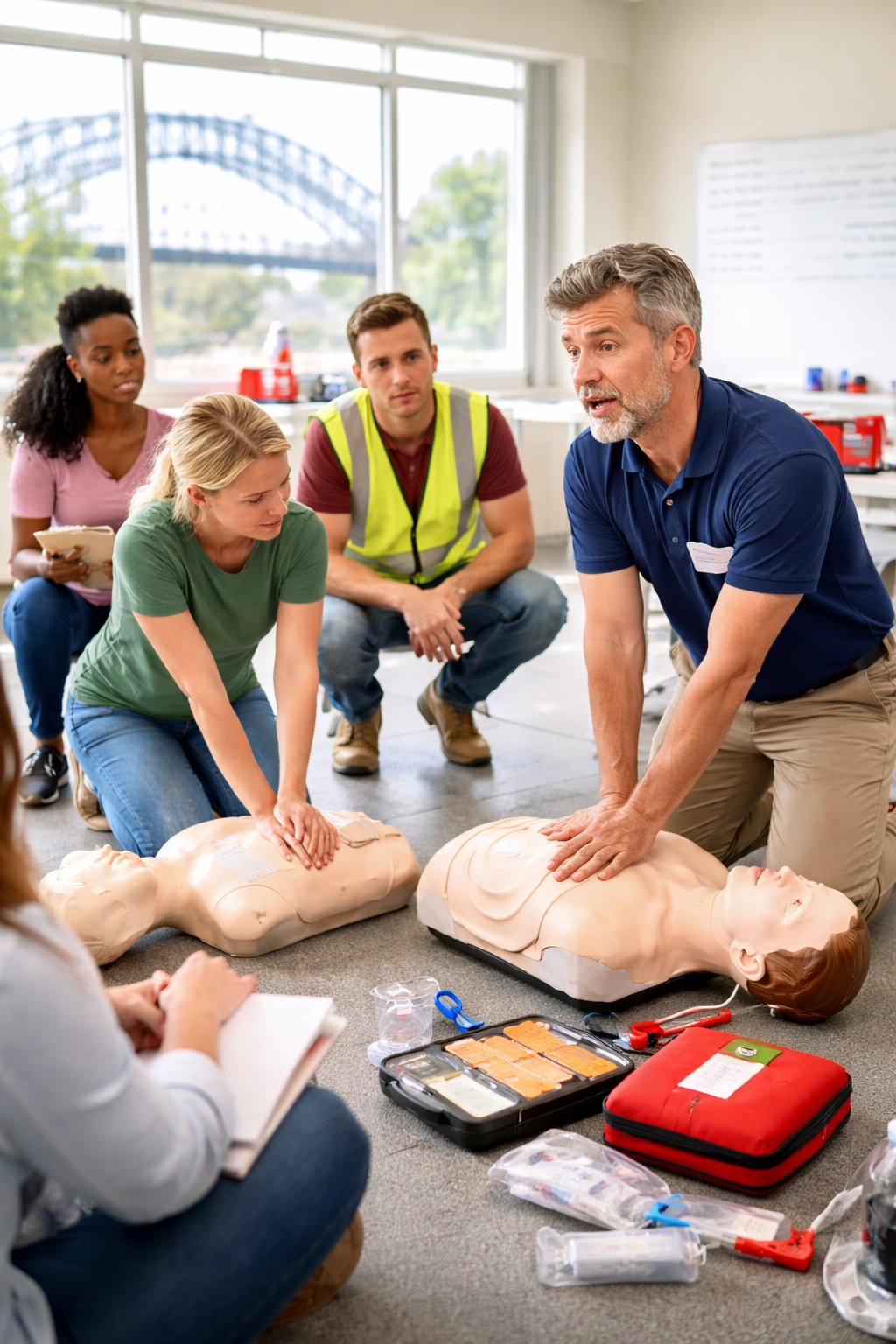
  • Behind a Sydney First Aid Training Day: What to Expect…

    🎓 Behind the Scenes of a Sydney Training Day: What Really Happens in a First Aid Course


    Ever wondered what actually happens during a first aid training session?

    Whether you’re booking your first course or simply curious, this behind-the-scenes look at a Sydney training day will show you exactly what to expect—from arrival to certification.

    📍 A Typical Morning at a Sydney Training Centre

    Firstly, training days in Sydney are designed to be efficient, practical, and easy to follow.

    When you arrive:

    • You’re welcomed by a qualified trainer
    • Attendance is confirmed
    • Equipment (CPR mannequins, AED trainers) is prepared

    👉 Most courses are structured to be fast-paced yet hands-on

    đź§  Step 1: Quick Theory (Simple & Practical)

    Before jumping into action, you’ll cover essential theory.

    However, unlike traditional learning, this is:

    • Short
    • Straightforward
    • Focused on real-life scenarios

    👉 Topics include:

    • Recognising emergencies
    • Basic life support principles
    • Workplace responsibilities

    Additionally, content aligns with official standards on .

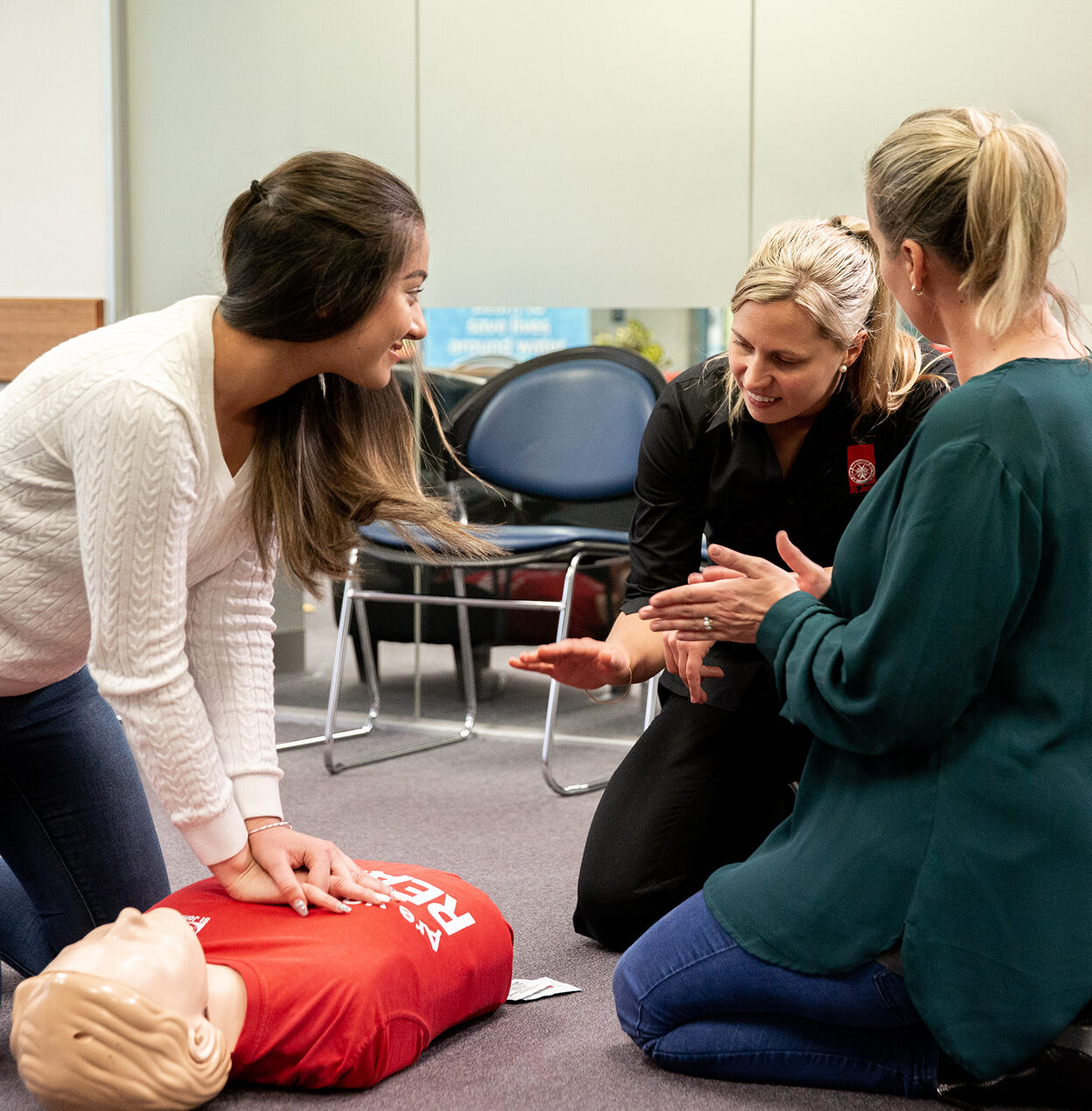
    ❤️ Step 2: CPR Training (Hands-On Practice)

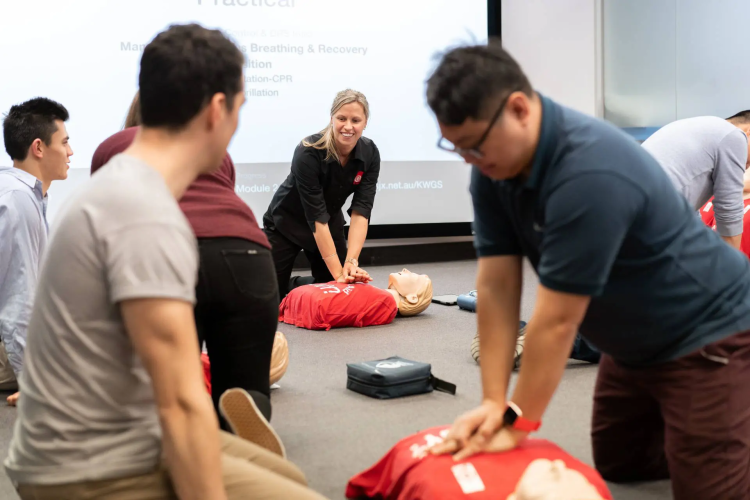
    Next—and most importantly—you’ll practise CPR.

    This includes:

    • Chest compressions
    • Rescue breaths
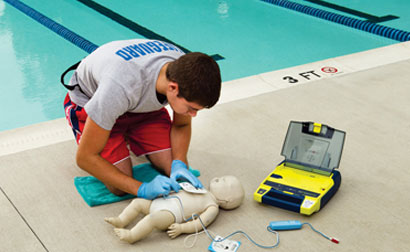
    • Using an AED

    👉 Trainers guide you step-by-step until you’re confident.

    For many students, this is the most valuable part of the day.

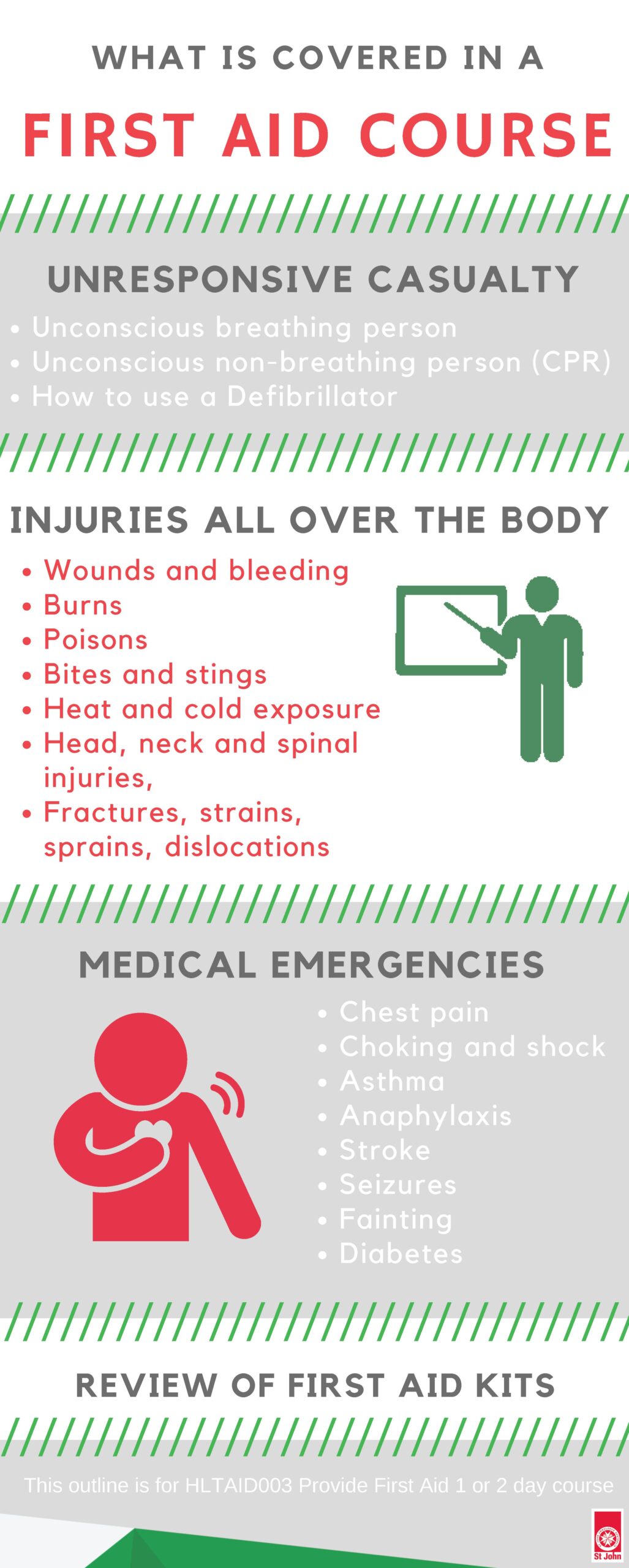
    đźš‘ Step 3: First Aid Scenarios

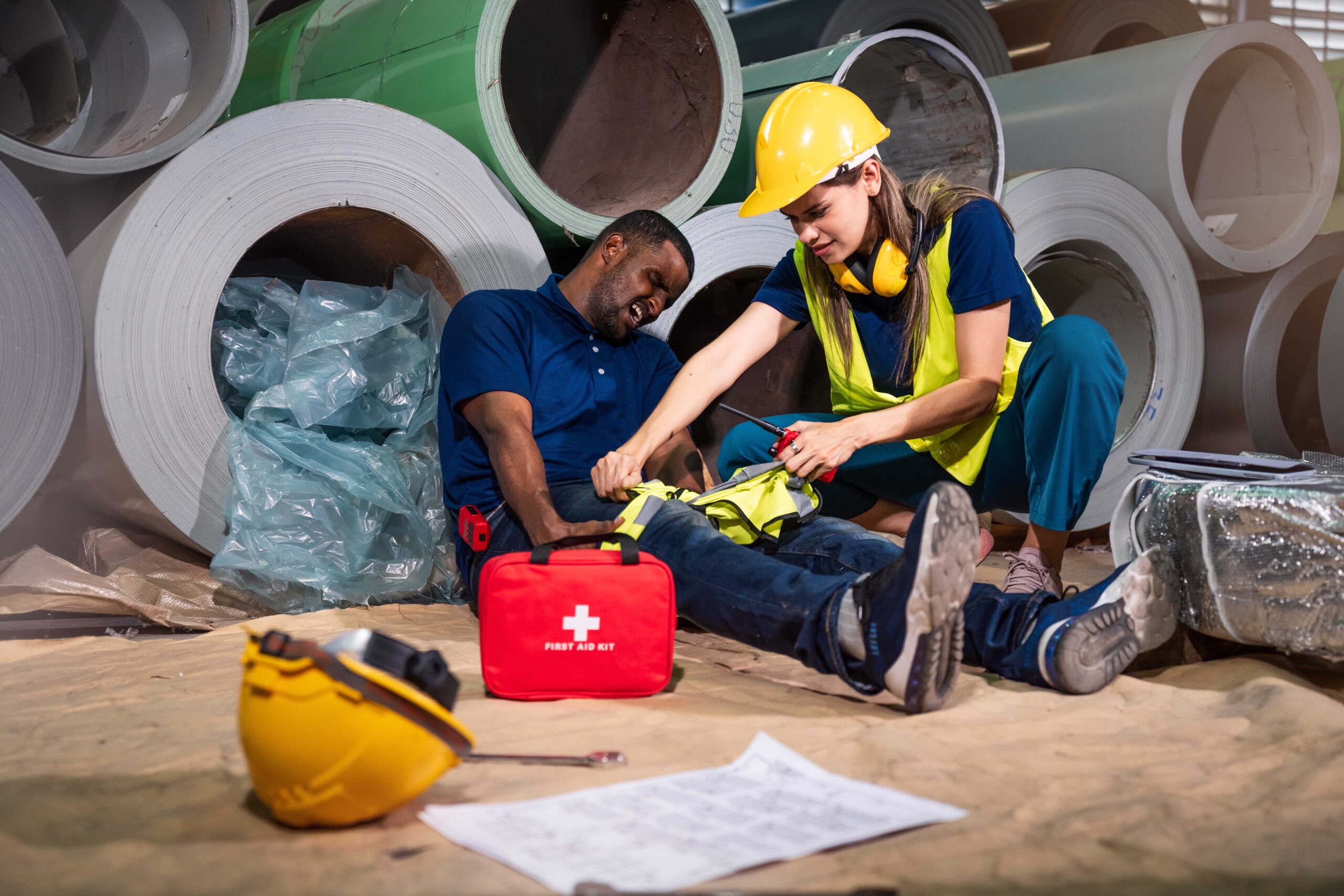
    After CPR, you move into real-life simulations.

    For example:

    • Treating burns
    • Managing bleeding
    • Responding to choking
    • Handling unconscious patients

    👉 These practical exercises ensure you can apply knowledge under pressure

    ⏱️ Step 4: Fast, Efficient Course Structure

    One of the biggest surprises?

    👉 How quick and efficient the training is

    • CPR courses: ~30 minutes
    • First Aid courses: ~1 hour
    • Blended delivery (online + practical)

    Therefore, even busy professionals can complete certification without wasting time.

    đź§ľ Step 5: Assessment & Certification

    Finally, you’ll complete:

    • A short practical assessment
    • Trainer verification

    Once completed:

    • Your certificate is processed
    • Typically issued within 1 business day

    👉 Delivered in partnership with (RTO 3399)

    👥 Who Attends These Training Days?

    You’ll be training alongside people from all industries:

    • Construction workers
    • Office staff
    • Parents
    • Childcare educators
    • Support workers

    👉 This creates a practical, relatable learning environment

    📚 Courses You Can Take

    Here are the most popular options:

    👉 All courses meet national standards and industry requirements.

    đź”— Industry Standards & Compliance

    Training follows recognised guidelines from:

    •  
    •  

    👉 Ensuring your certification is valid across Australia.

    FAQ Section

    Most courses are completed within 30–60 minutes (plus online pre-study if applicable).

    Not at all. It’s designed to be simple, practical, and beginner-friendly.

    Certificates are typically issued within 1 business day.

    Yes—most of the session involves practical learning like CPR and scenarios.

    Almost everyone—especially workers in healthcare, childcare, construction, and corporate environments.

    âś… Final Thoughts

    Ultimately, a Sydney training day is designed to be:

    • Fast
    • Practical
    • Confidence-building

    Because in an emergency, knowing what to do can make all the difference.

    👉 And after just one session, you’ll walk away with skills that can save lives

    đź”— Relevant Authority (Use These)

    ABC First Aid (RTO 3399)

    Nationally recognised training provider:

    “Delivered in partnership with a nationally recognised training provider”


    Training.gov.au

    Official course standards:

    “aligned with official course standards on training.gov.au”

    ACECQA

     ACECQA requirements:

    “meeting ACECQA requirements for educators”

    Australian Resuscitation Council 

     Australian Resuscitation Council guidelines:

    “based on Australian Resuscitation Council guidelines”