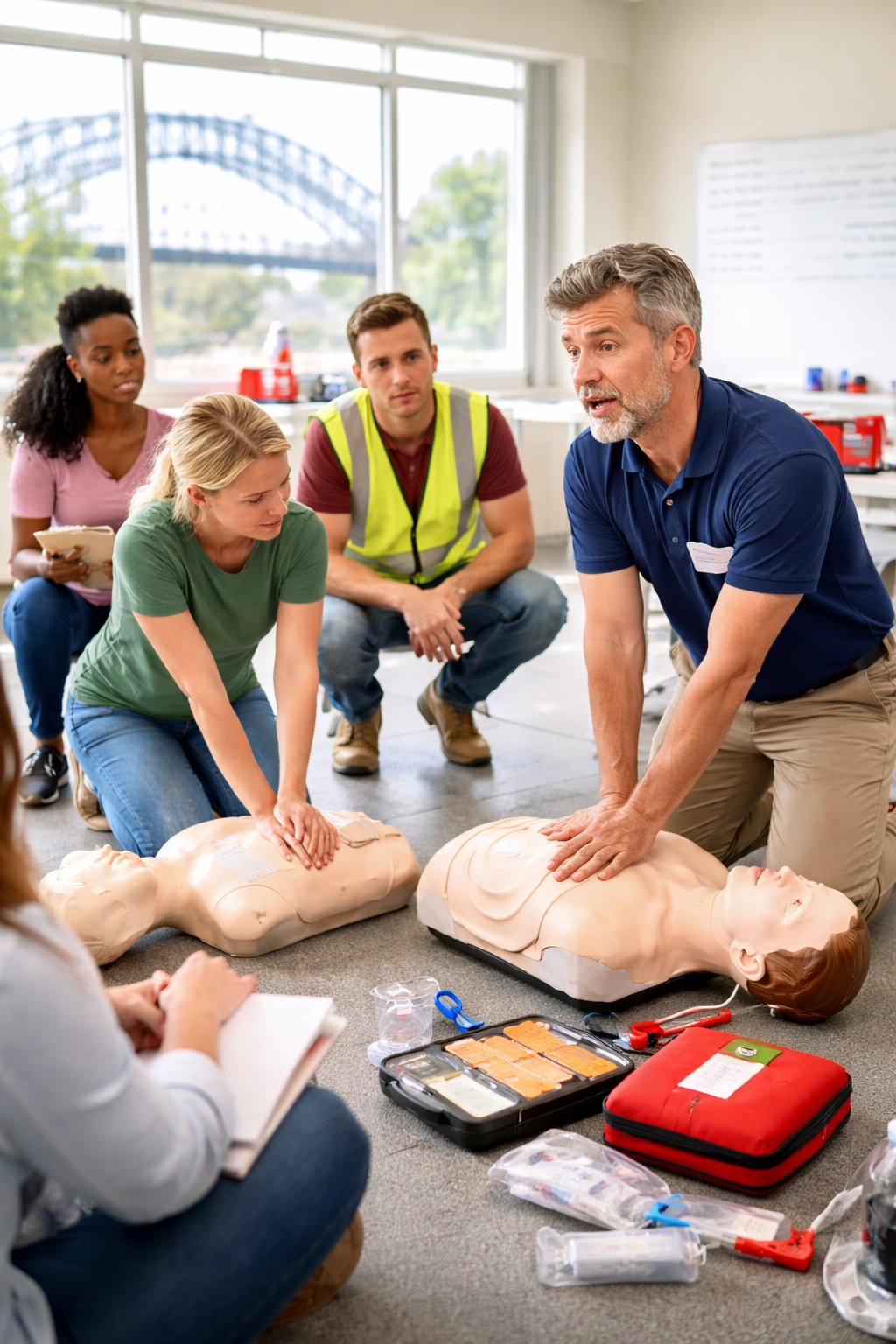
Ever wondered what actually happens during a first aid training session?
Whether you’re booking your first course or simply curious, this behind-the-scenes look at a Sydney training day will show you exactly what to expect—from arrival to certification.
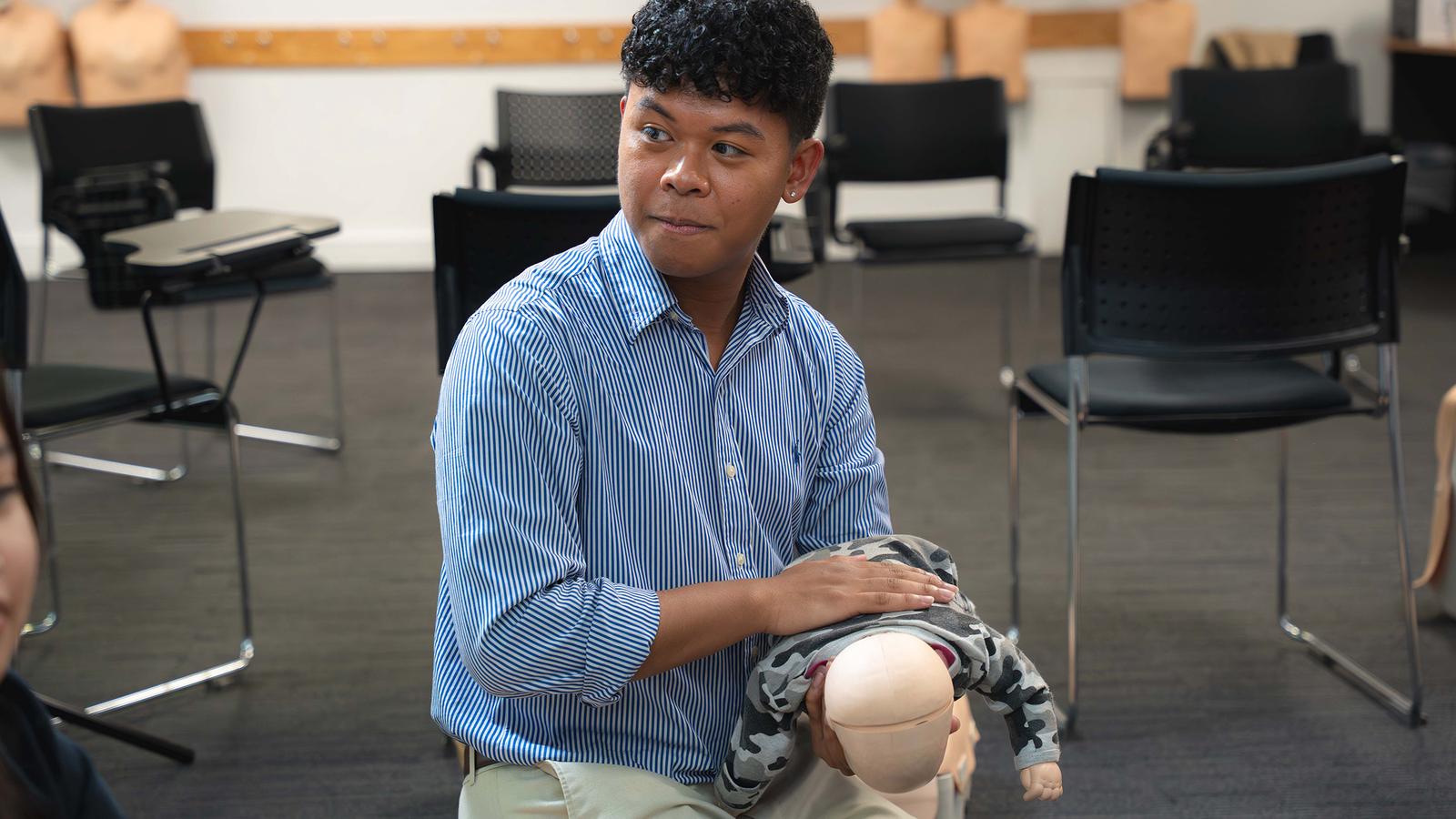
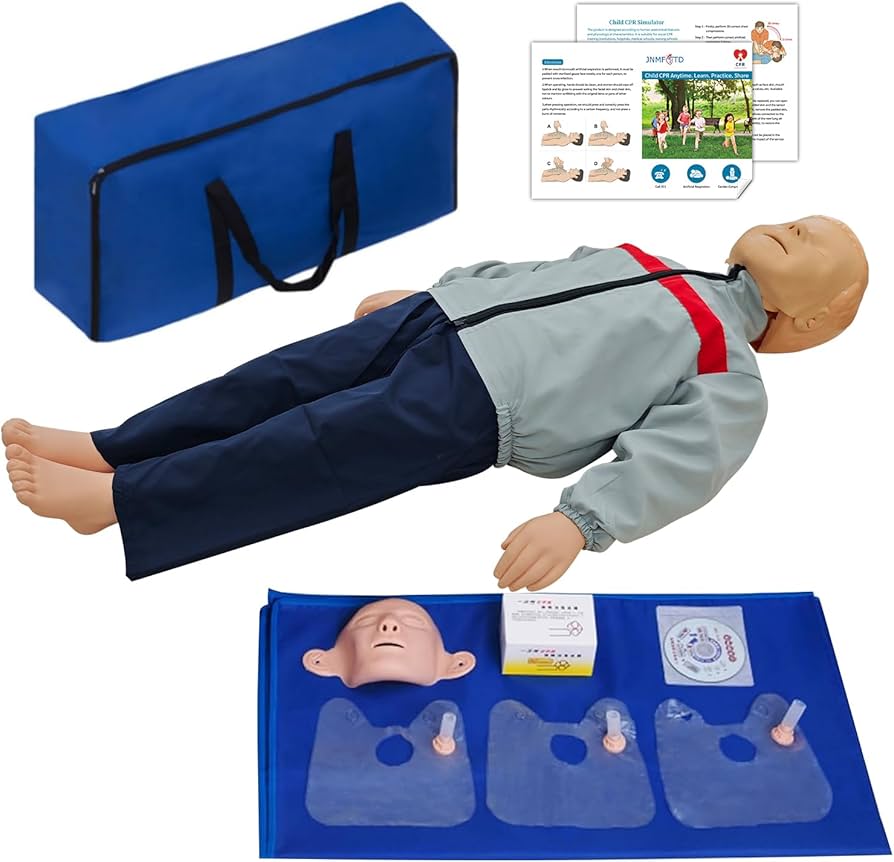
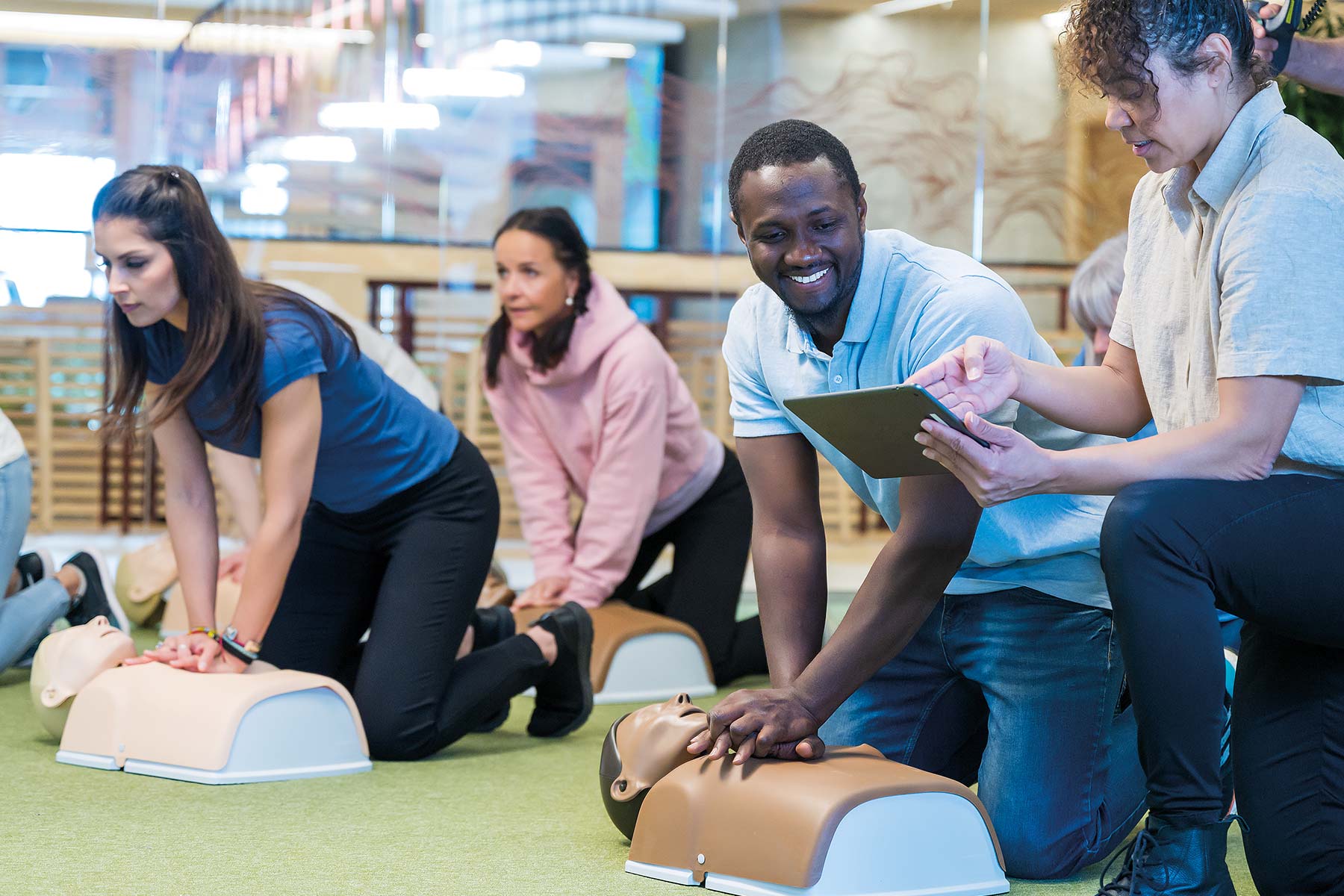
Firstly, training days in Sydney are designed to be efficient, practical, and easy to follow.
When you arrive:
👉 Most courses are structured to be fast-paced yet hands-on
Before jumping into action, you’ll cover essential theory.
However, unlike traditional learning, this is:
👉 Topics include:
Additionally, content aligns with official standards on .
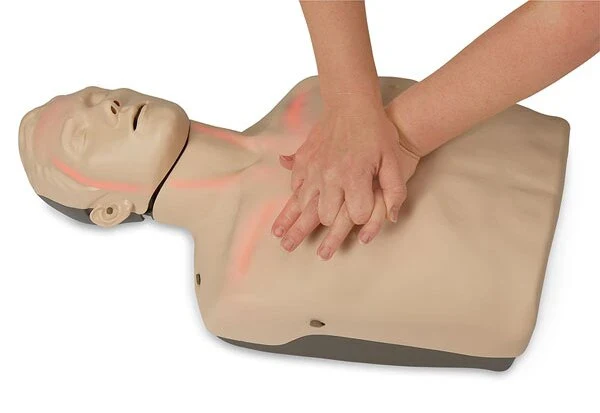
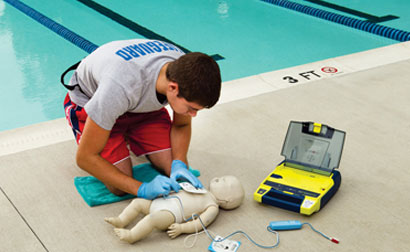
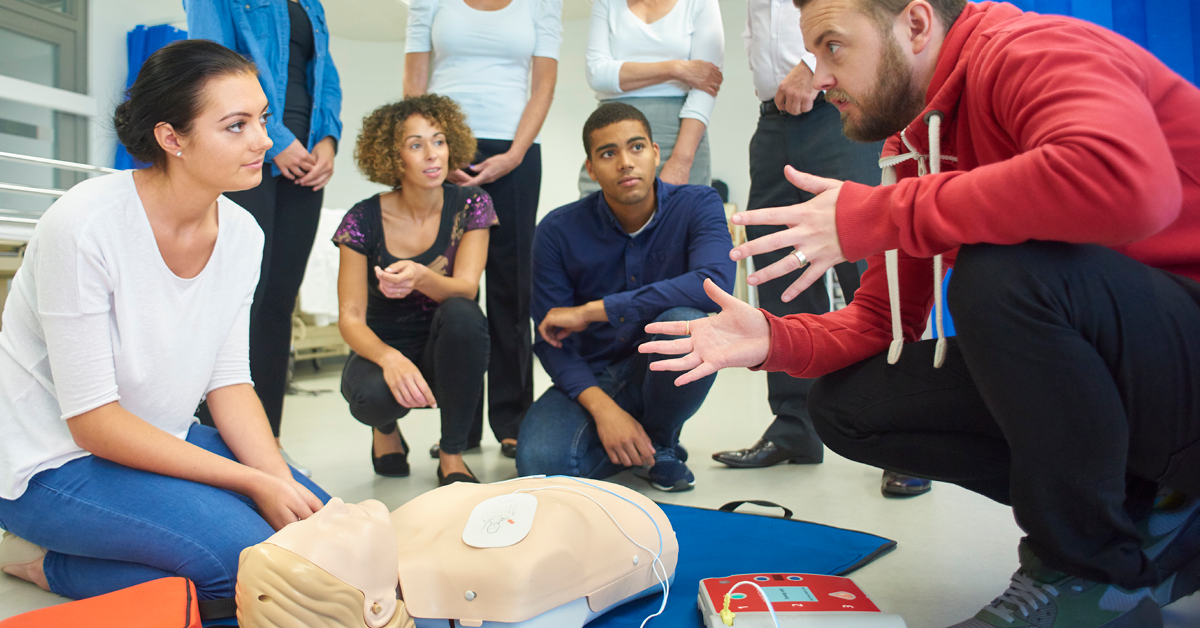
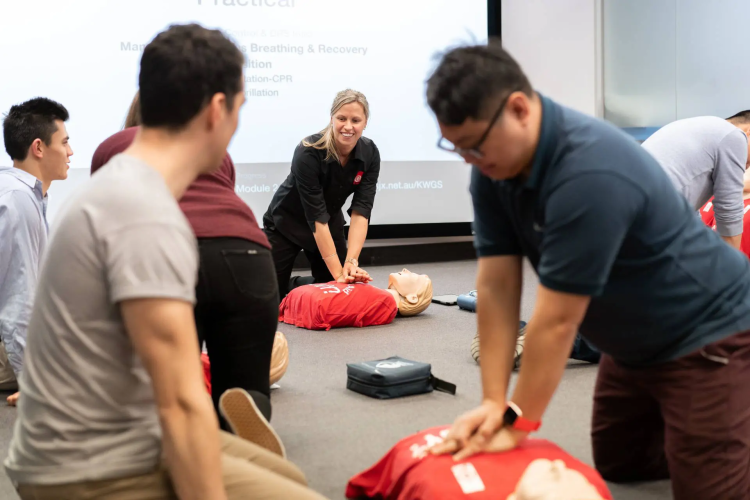
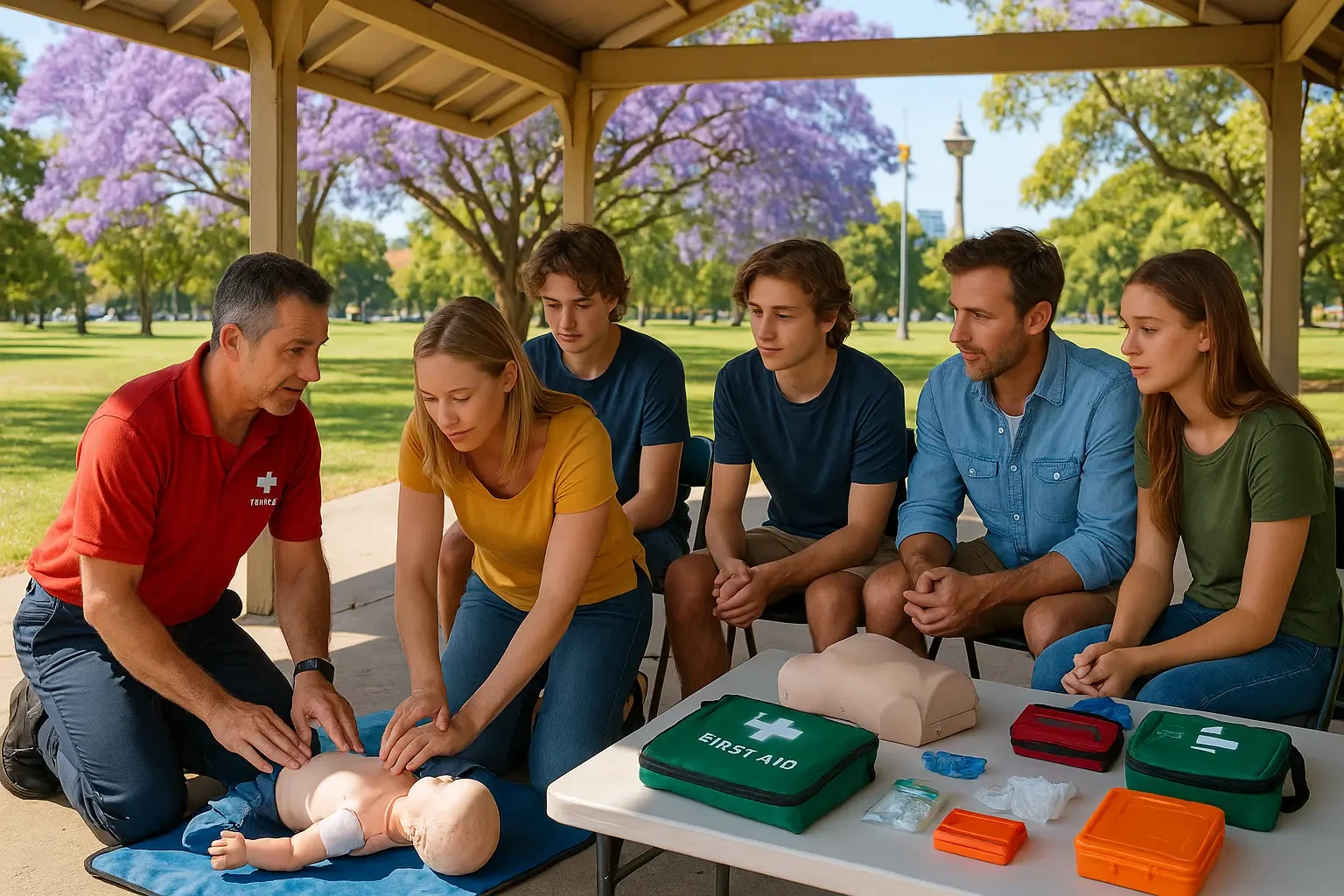
Next—and most importantly—you’ll practise CPR.
This includes:
👉 Trainers guide you step-by-step until you’re confident.
For many students, this is the most valuable part of the day.
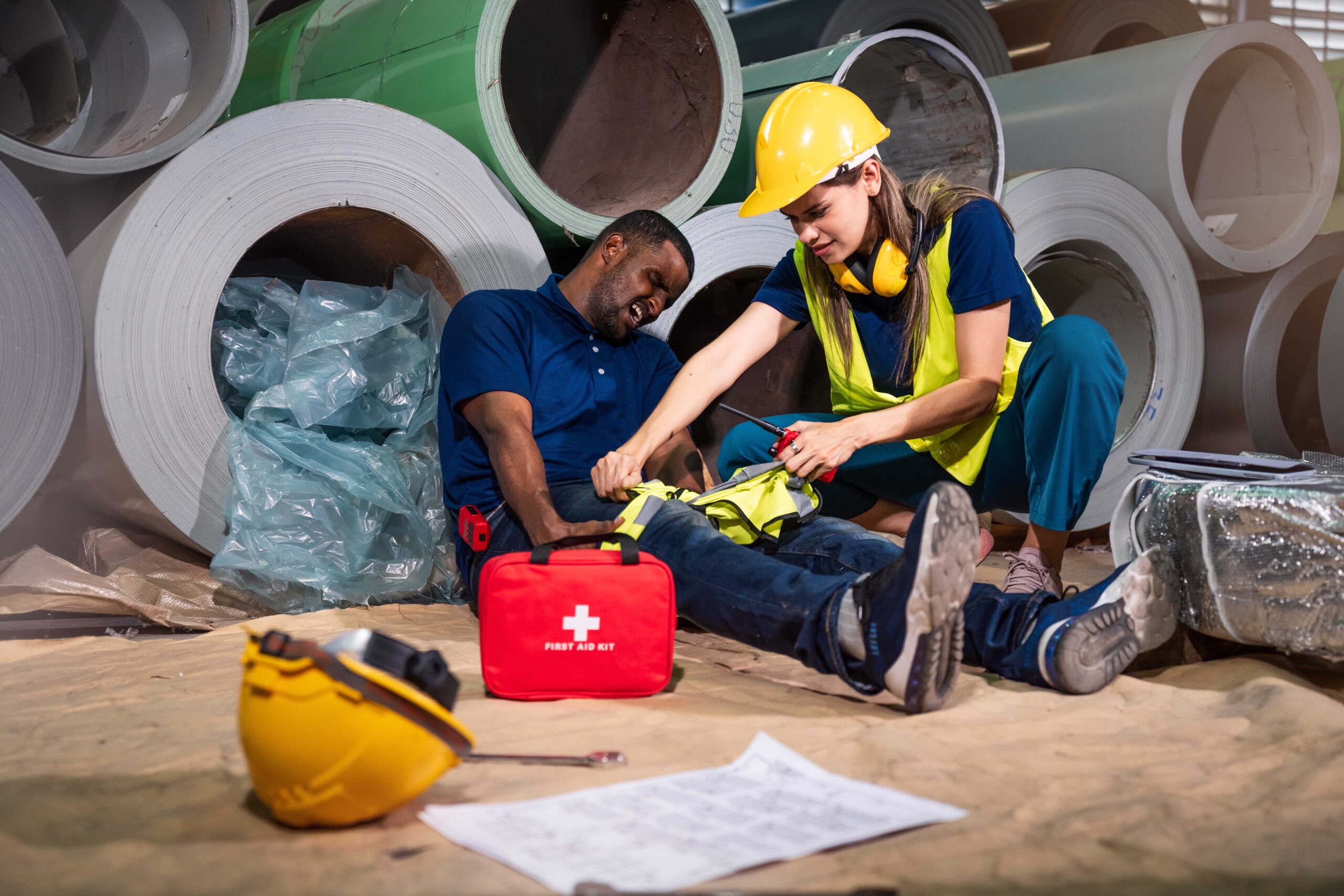
After CPR, you move into real-life simulations.
For example:
👉 These practical exercises ensure you can apply knowledge under pressure
One of the biggest surprises?
👉 How quick and efficient the training is
Therefore, even busy professionals can complete certification without wasting time.
Finally, you’ll complete:
Once completed:
👉 Delivered in partnership with (RTO 3399)
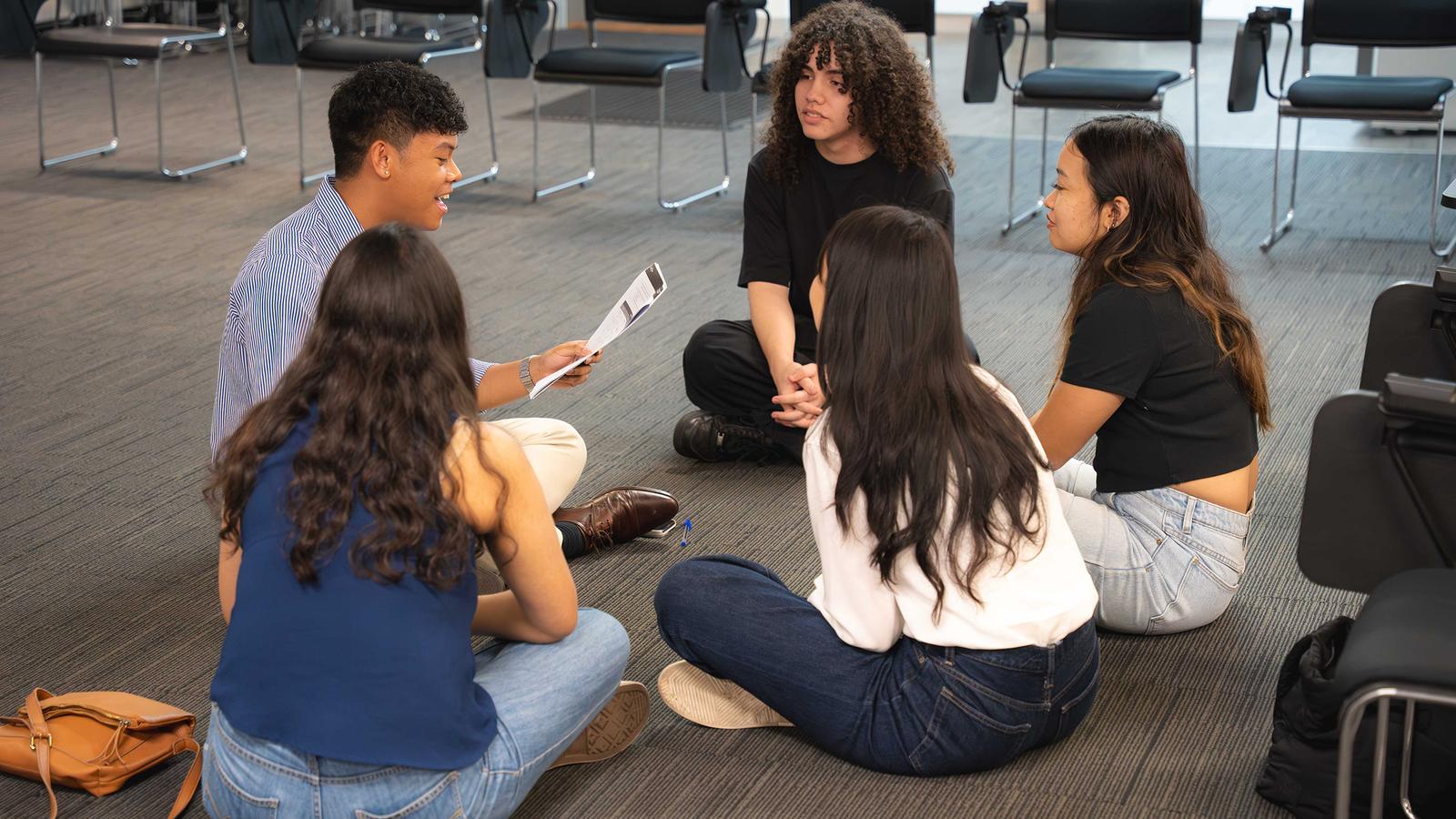

You’ll be training alongside people from all industries:
👉 This creates a practical, relatable learning environment
Here are the most popular options:
👉 All courses meet national standards and industry requirements.
Training follows recognised guidelines from:
👉 Ensuring your certification is valid across Australia.
Most courses are completed within 30–60 minutes (plus online pre-study if applicable).
Not at all. It’s designed to be simple, practical, and beginner-friendly.
Certificates are typically issued within 1 business day.
Yes—most of the session involves practical learning like CPR and scenarios.
Almost everyone—especially workers in healthcare, childcare, construction, and corporate environments.
Ultimately, a Sydney training day is designed to be:
Because in an emergency, knowing what to do can make all the difference.
👉 And after just one session, you’ll walk away with skills that can save lives
 Relevant Authority (Use These)
Nationally recognised training provider:
“Delivered in partnership with a nationally recognised training provider”
Official course standards:
“aligned with official course standards on training.gov.au”
ACECQA
ACECQA requirements:
“meeting ACECQA requirements for educators”
Australian Resuscitation Council
Australian Resuscitation Council guidelines:
“based on Australian Resuscitation Council guidelines”
