Author: admin

  • BBQ Safety Tips for Families in Sydney | Stay Safe This Summer

    šŸ”„ BBQ Safety Tips for Families in Sydney: Stay Safe This Summer

    Ā 

    It’s a warm Sydney afternoon. The BBQ is fired up, kids are playing, and everyone’s relaxed.

    Then suddenly—someone yells. A flare-up. A burnt hand. Panic.

    The truth is, BBQ accidents happen fast—and often when no one is expecting them.

    That’s why knowing simple BBQ safety tips for families in Sydney can make all the difference between a great day… and an emergency.

    Let’s break it down šŸ‘‡

    šŸ– Why BBQ Safety Matters More Than You Think

    Firstly, BBQs are one of the most common causes of:

    • Burns
    • Fire hazards
    • Gas-related incidents

    Especially during summer, when usage increases.

    šŸ‘‰ Most accidents happen due to small mistakes

    šŸ”„ 1. Never Leave the BBQ Unattended

    This is the #1 rule.

    • Stay near the grill at all times
    • Turn it off properly after use
    • Keep a close eye when cooking

    šŸ‘‰ Even a few seconds can lead to flare-ups or fires.

    🚸 2. Keep Kids and Pets at a Safe Distance

    Curiosity and heat don’t mix.

    • Create a ā€œsafe zoneā€ (at least 1 metre away)
    • Supervise children at all times
    • Avoid running near the BBQ

    šŸ‘‰ Most burn injuries involve children getting too close.

    🧯 3. Be Prepared for Fires

    Accidents happen—but preparation saves lives.

    Have nearby:

    • Fire extinguisher
    • Fire blanket
    • Water source (if safe to use)

    šŸ‘‰ Never use water on grease fires—it can make things worse.

    🧠 4. Know Basic First Aid for Burns

    If someone gets burned:

    1. Cool the burn under running water (20 minutes)
    2. Remove tight items (rings, watches)
    3. Cover with a clean dressing

    šŸ‘‰ Learn more here:
    Provide First Aid (HLTAID011)
    CPR Course (HLTAID009)

    ⛽ 5. Check Gas Connections Before Use

    Gas leaks are a hidden danger.

    • Inspect hoses for cracks
    • Ensure connections are tight
    • Turn off gas after cooking

    šŸ‘‰ If you smell gas—stop immediately.

    šŸŒ¬ļø 6. Be Mindful of Wind and Environment

    Additionally, outdoor conditions matter.

    • Avoid BBQing in strong winds
    • Keep away from flammable items
    • Position BBQ on stable ground

    šŸ‘‰ Wind can spread flames quickly.

    šŸ— 7. Avoid Overloading the Grill

    Too much food = more grease = higher fire risk.

    • Cook in batches
    • Trim excess fat
    • Clean grill regularly

    šŸ‘‰ This reduces flare-ups significantly.

    šŸ‘¶ Extra Care for Families with Children

    If you’re hosting families:

    • Assign one adult as the ā€œBBQ supervisorā€
    • Keep play areas separate
    • Avoid distractions (phones, alcohol)

    šŸ‘‰ Safety starts with responsibility.

    šŸŒ Safety Standards & Awareness

    BBQ and fire safety awareness aligns with:

    • training.gov.au
    • Australian Children’s Education & Care Quality Authority

    šŸ‘‰ Especially important in family and childcare environments.

    šŸ” Quick BBQ Safety Checklist

    • āœ… Never leave BBQ unattended
    • āœ… Keep kids and pets away
    • āœ… Check gas connections
    • āœ… Have fire safety tools ready
    • āœ… Know basic first aid

    FAQ Section

    Leaving the BBQ unattended—this causes most accidents.

    No—especially grease fires. Use a fire blanket or extinguisher.

    Cool under running water for 20 minutes and cover it.

    Yes, if supervised and a safe distance is maintained.

    Absolutely—it can prevent minor injuries from becoming serious.

    āœ… Final Thoughts

    BBQs are a big part of Sydney summers—but safety should always come first.

    Because with just a few simple precautions, you can enjoy your time with family without the risk.

    šŸ‘‰ And when you’re prepared, you’re in control.

    Ā 

    šŸ”— Relevant Authority (Use These)

    ABC First Aid (RTO 3399)

    Nationally recognised training provider:

    ā€œDelivered in partnership with a nationally recognised training providerā€


    Training.gov.au

    Official course standards:

    ā€œaligned with official course standards on training.gov.auā€

    ACECQA

    Ā ACECQA requirements:

    ā€œmeeting ACECQA requirements for educatorsā€

    Australian Resuscitation CouncilĀ 

    Ā Australian Resuscitation Council guidelines:

    ā€œbased on Australian Resuscitation Council guidelinesā€

  • Pool Safety Rules for Summer Sydney | Stay Safe Around Pools

    šŸŠ Pool Safety Rules for Summer: Essential Tips to Prevent Accidents in Sydney

    Ā 

    It’s a typical Sydney summer day—sun out, barbecue on, and the kids are straight in the pool. Everything feels relaxed… until suddenly, things go quiet.

    No splashing. No laughter.

    That’s the scary part—pool accidents don’t look dramatic. They happen quickly, silently, and when you least expect it.

    While summer is the perfect time to enjoy the water, it also comes with real risks—especially for children. That’s why knowing the right pool safety rules for summer in Sydney isn’t just helpful, it’s essential.

    In this guide, you’ll learn simple, practical ways to keep your family safe—so your summer stays fun, not frightening.

    ā˜€ļø Why Pool Safety Matters in Sydney Summers

    Firstly, drowning is one of the leading causes of accidental injury in Australia.

    In particular:

    • Children under 5 are most at risk
    • Backyard pools are common locations
    • Lack of supervision is a major factor

    šŸ‘‰ That’s why strict pool safety rules are critical—especially during summer.

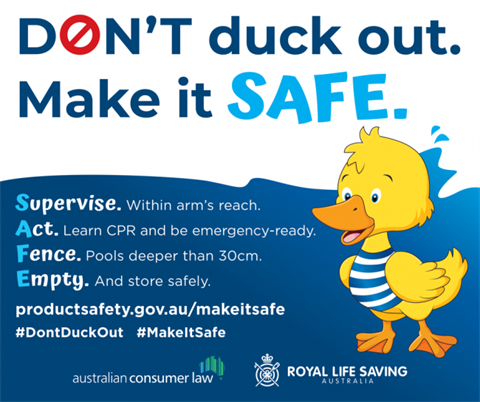
    šŸ‘€ 1. Always Supervise Children

    Above all, supervision saves lives.

    • Never leave children unattended
    • Stay within arm’s reach
    • Avoid distractions like phones

    šŸ‘‰ Even a few seconds can make a difference.

    .


    🚫 2. Secure Pool Areas Properly

    In addition, pool barriers are essential.

    • Install compliant pool fencing
    • Ensure gates are self-closing and self-latching
    • Regularly check for faults

    šŸ‘‰ These measures are required under safety regulations referenced by training.gov.au

    šŸŠ 3. Teach Basic Swimming Skills

    Furthermore, swimming lessons are a must.

    • Enrol children early
    • Teach floating and basic strokes
    • Practice water confidence

    šŸ‘‰ However, swimming ability does NOT replace supervision.

    🧠 4. Know CPR and First Aid

    Importantly, knowing what to do in an emergency can save a life.

    If someone is pulled from water:

    • Check breathing
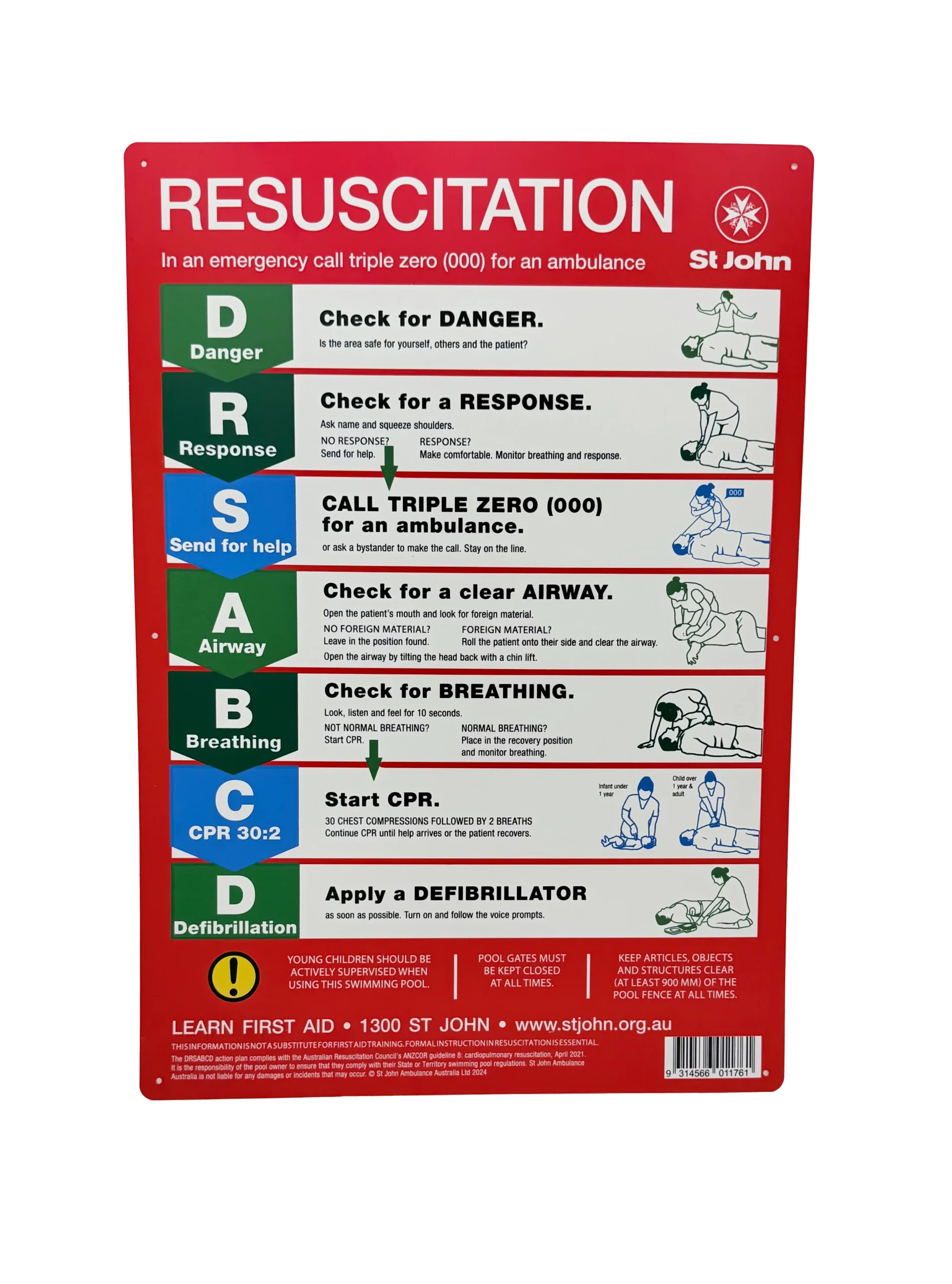
    • Start CPR immediately if needed
    • Call emergency services (000)

    šŸ‘‰ Learn life-saving skills here:
    Provide First Aid
    CPR Course

    🚫 5. Avoid Alcohol Around Pools

    Moreover, alcohol increases risk.

    • Slows reaction time
    • Impairs judgment
    • Reduces supervision quality

    šŸ‘‰ Stay alert when responsible for others.

    🧓 6. Be Sun Smart Around Water

    Additionally, sun exposure can affect safety.

    • Use sunscreen (SPF 30+)
    • Wear hats and protective clothing
    • Stay hydrated

    šŸ‘‰ Heat and fatigue can lead to accidents.

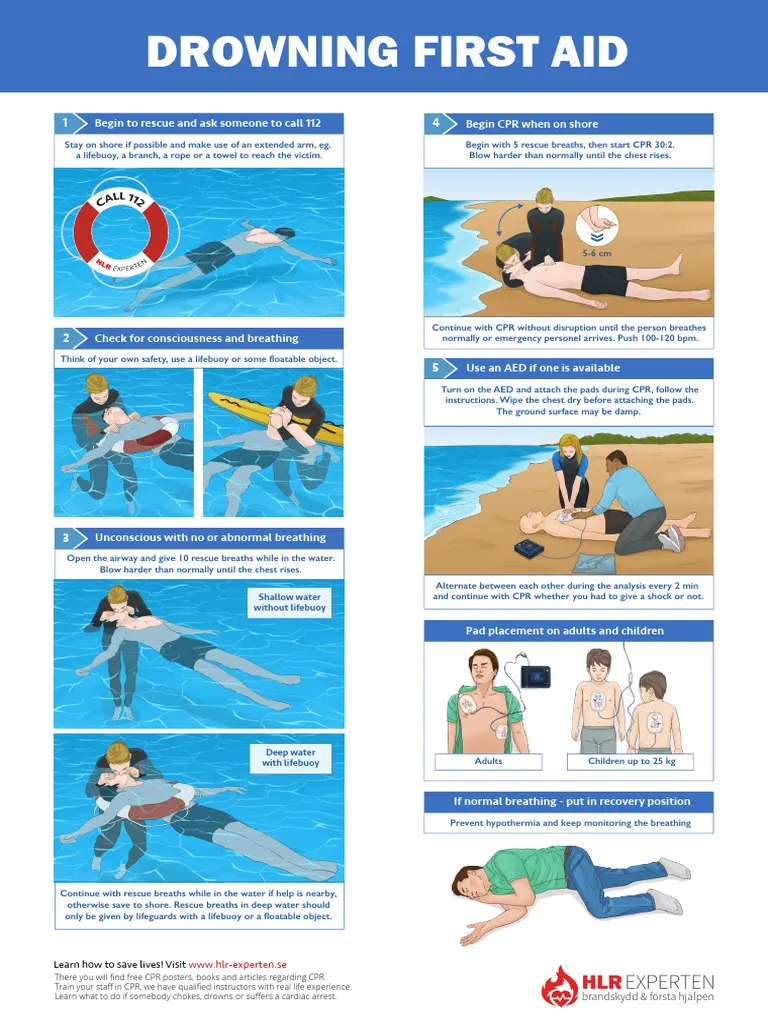
    āš ļø 7. Learn Emergency Response for Drowning

    Drowning is often silent and quick.

    Signs include:

    • Head low in water
    • Gasping or struggling
    • Trying to roll onto back

    šŸ‘‰ Immediate action is critical.

    šŸ‘¶ Special Consideration: Children & Care Environments

    If you work with children:

    šŸ‘‰ Child Protection Course (Accredited):

    šŸ‘‰ Helps ensure safety compliance in childcare and education settings.

    šŸŒ Pool Safety Standards & Compliance

    Pool safety aligns with guidance from:

    • Australian Children’s Education & Care Quality Authority
    • ABC First Aid

    šŸ‘‰ Ensuring safe environments for families and communities.

    šŸ” Quick Pool Safety Checklist

    To summarise:

    • āœ… Supervise children at all times
    • āœ… Secure pool fencing and gates
    • āœ… Teach swimming skills early
    • āœ… Know CPR and first aid
    • āœ… Avoid alcohol while supervising

    FAQ Section

    Constant supervision – especially for children.

    Ā 

    Yes. Proper barriers significantly reduce drowning risk.

    No. Even strong swimmers need supervision.

    Call 000 immediately and begin CPR if necessary.

    Highly recommended – it can save lives in emergencies.

    rdion Content

    āœ… Final Thoughts

    Ultimately, pool safety rules for summer are about awareness, preparation, and responsibility.

    Because while pools bring joy, safety ensures that enjoyment lasts.

    šŸ‘‰ With the right precautions—and proper training—you can enjoy summer with confidence.

    šŸ”— Relevant Authority (Use These)

    ABC First Aid (RTO 3399)

    Nationally recognised training provider:

    ā€œDelivered in partnership with a nationally recognised training providerā€


    Training.gov.au

    Official course standards:

    ā€œaligned with official course standards on training.gov.auā€

    ACECQA

    Ā ACECQA requirements:

    ā€œmeeting ACECQA requirements for educatorsā€

    Australian Resuscitation CouncilĀ 

    Ā Australian Resuscitation Council guidelines:

    ā€œbased on Australian Resuscitation Council guidelinesā€

  • What Makes a Great First Aid Trainer in Sydney? Key Skills!

    šŸŽ“ What Makes a Great First Aid Trainer? Key Qualities to Look For

    Ā 

    Choosing the right trainer can make all the difference when learning life-saving skills. After all, a great trainer doesn’t just teach—they build confidence, simplify complex situations, and prepare you for real emergencies.

    So, what exactly makes a great first aid trainer in Sydney?

    Let’s break it down.

    šŸ‘Øā€šŸ« 1. Real-World Experience Matters

    Firstly, the best trainers bring real-life experience into the classroom.

    Whether they’ve worked in:

    • Emergency response
    • Healthcare
    • Workplace safety

    šŸ‘‰ They teach beyond theory—using real scenarios that prepare you for actual emergencies.

    🧠 2. Ability to Simplify Complex Situations

    Additionally, first aid can feel overwhelming at first.

    However, a great trainer:

    • Breaks down steps clearly
    • Uses simple language
    • Focuses on what actually matters in an emergency

    šŸ‘‰ This ensures students leave feeling confident—not confused

    ā¤ļø 3. Hands-On, Practical Teaching Style

    Importantly, first aid is not something you learn passively.

    A great trainer prioritises:

    • Practical CPR training
    • Real-life simulations
    • Repetition until you get it right

    šŸ‘‰ Because in emergencies, muscle memory saves lives.

    šŸ—£ļø 4. Strong Communication & Engagement

    Furthermore, engagement is key.

    The best trainers:

    • Keep sessions interactive
    • Encourage questions
    • Create a relaxed learning environment

    šŸ‘‰ This helps students stay focused and absorb information better.

    šŸ“‹ 5. Knowledge of National Standards

    In addition, a professional trainer ensures all content aligns with national requirements.

    šŸ‘‰ Courses should follow standards from training.gov.au

    This ensures your certification is:

    • Recognised
    • Valid across Australia
    • Industry compliant

    ⚔ 6. Efficient & Structured Training Delivery

    Moreover, time matters—especially for busy professionals.

    A great trainer:

    • Keeps sessions concise
    • Focuses on high-impact learning
    • Avoids unnecessary theory

    šŸ‘‰ Result: You learn faster without sacrificing quality.

    šŸ‘„ 7. Adaptability to Different Learners

    Every group is different.

    Therefore, top trainers:

    • Adjust to different skill levels
    • Support nervous beginners
    • Challenge more experienced learners

    šŸ‘‰ This ensures everyone benefits from the session

    šŸ† 8. Builds Confidence, Not Just Skills

    Ultimately, the goal isn’t just knowledge—it’s confidence.

    A great first aid trainer ensures:

    • You know what to do
    • You feel ready to act
    • You don’t panic in real situations

    šŸ‘‰ That confidence is what truly saves lives.

    šŸ“š Learn from Qualified Trainers

    If you’re looking to train with experienced professionals:

    šŸ‘‰ Delivered in partnership with ABC First Aid

    šŸŒ Industry Standards & Trust

    High-quality training aligns with:

    • Australian Children’s Education & Care Quality Authority
    • training.gov.au

    šŸ‘‰ Ensuring credibility and compliance.

    FAQ Section

    They should be certified, experienced, and aligned with nationally recognised training standards.

    Yes—practical experience is essential for real-life emergencies.

    Look for experience, communication skills, and a strong focus on practical learning.

    No. The best trainers adapt their style to suit different learners.

    Because in emergencies, your response depends on how well you were trained.

    āœ… Final Thoughts

    In the end, a great first aid trainer in Sydney does more than teach—they prepare you for real life.

    Because when it matters most, the quality of your training can make all the difference.

    šŸ”— Relevant Authority (Use These)

    ABC First Aid (RTO 3399)

    Nationally recognised training provider:

    ā€œDelivered in partnership with a nationally recognised training providerā€


    Training.gov.au

    Official course standards:

    ā€œaligned with official course standards on training.gov.auā€

    ACECQA

    Ā ACECQA requirements:

    ā€œmeeting ACECQA requirements for educatorsā€

    Australian Resuscitation CouncilĀ 

    Ā Australian Resuscitation Council guidelines:

    ā€œbased on Australian Resuscitation Council guidelinesā€

  • Behind a Sydney First Aid Training Day: What to Expect…

    šŸŽ“ Behind the Scenes of a Sydney Training Day: What Really Happens in a First Aid Course

    Ā 

    Ever wondered what actually happens during a first aid training session?

    Whether you’re booking your first course or simply curious, this behind-the-scenes look at a Sydney training day will show you exactly what to expect—from arrival to certification.

    šŸ“ A Typical Morning at a Sydney Training Centre

    Firstly, training days in Sydney are designed to be efficient, practical, and easy to follow.

    When you arrive:

    • You’re welcomed by a qualified trainer
    • Attendance is confirmed
    • Equipment (CPR mannequins, AED trainers) is prepared

    šŸ‘‰ Most courses are structured to be fast-paced yet hands-on

    🧠 Step 1: Quick Theory (Simple & Practical)

    Before jumping into action, you’ll cover essential theory.

    However, unlike traditional learning, this is:

    • Short
    • Straightforward
    • Focused on real-life scenarios

    šŸ‘‰ Topics include:

    • Recognising emergencies
    • Basic life support principles
    • Workplace responsibilities

    Additionally, content aligns with official standards on .

    ā¤ļø Step 2: CPR Training (Hands-On Practice)

    Next—and most importantly—you’ll practise CPR.

    This includes:

    • Chest compressions
    • Rescue breaths
    • Using an AED

    šŸ‘‰ Trainers guide you step-by-step until you’re confident.

    For many students, this is the most valuable part of the day.

    šŸš‘ Step 3: First Aid Scenarios

    After CPR, you move into real-life simulations.

    For example:

    • Treating burns
    • Managing bleeding
    • Responding to choking
    • Handling unconscious patients

    šŸ‘‰ These practical exercises ensure you can apply knowledge under pressure

    ā±ļø Step 4: Fast, Efficient Course Structure

    One of the biggest surprises?

    šŸ‘‰ How quick and efficient the training is

    • CPR courses: ~30 minutes
    • First Aid courses: ~1 hour
    • Blended delivery (online + practical)

    Therefore, even busy professionals can complete certification without wasting time.

    🧾 Step 5: Assessment & Certification

    Finally, you’ll complete:

    • A short practical assessment
    • Trainer verification

    Once completed:

    • Your certificate is processed
    • Typically issued within 1 business day

    šŸ‘‰ Delivered in partnership with (RTO 3399)

    šŸ‘„ Who Attends These Training Days?

    You’ll be training alongside people from all industries:

    • Construction workers
    • Office staff
    • Parents
    • Childcare educators
    • Support workers

    šŸ‘‰ This creates a practical, relatable learning environment

    šŸ“š Courses You Can Take

    Here are the most popular options:

    šŸ‘‰ All courses meet national standards and industry requirements.

    šŸ”— Industry Standards & Compliance

    Training follows recognised guidelines from:

    • Ā 
    • Ā 

    šŸ‘‰ Ensuring your certification is valid across Australia.

    FAQ Section

    Most courses are completed within 30–60 minutes (plus online pre-study if applicable).

    Not at all. It’s designed to be simple, practical, and beginner-friendly.

    Certificates are typically issued within 1 business day.

    Yes—most of the session involves practical learning like CPR and scenarios.

    Almost everyone—especially workers in healthcare, childcare, construction, and corporate environments.

    āœ… Final Thoughts

    Ultimately, a Sydney training day is designed to be:

    • Fast
    • Practical
    • Confidence-building

    Because in an emergency, knowing what to do can make all the difference.

    šŸ‘‰ And after just one session, you’ll walk away with skills that can save lives

    šŸ”— Relevant Authority (Use These)

    ABC First Aid (RTO 3399)

    Nationally recognised training provider:

    ā€œDelivered in partnership with a nationally recognised training providerā€


    Training.gov.au

    Official course standards:

    ā€œaligned with official course standards on training.gov.auā€

    ACECQA

    Ā ACECQA requirements:

    ā€œmeeting ACECQA requirements for educatorsā€

    Australian Resuscitation CouncilĀ 

    Ā Australian Resuscitation Council guidelines:

    ā€œbased on Australian Resuscitation Council guidelinesā€

  • Heat Safety for Sydney Outdoor Workers: Stay Safe This Summer

    Heat Safety for Sydney Outdoor Workers: Stay Safe This Summer

    Ā 

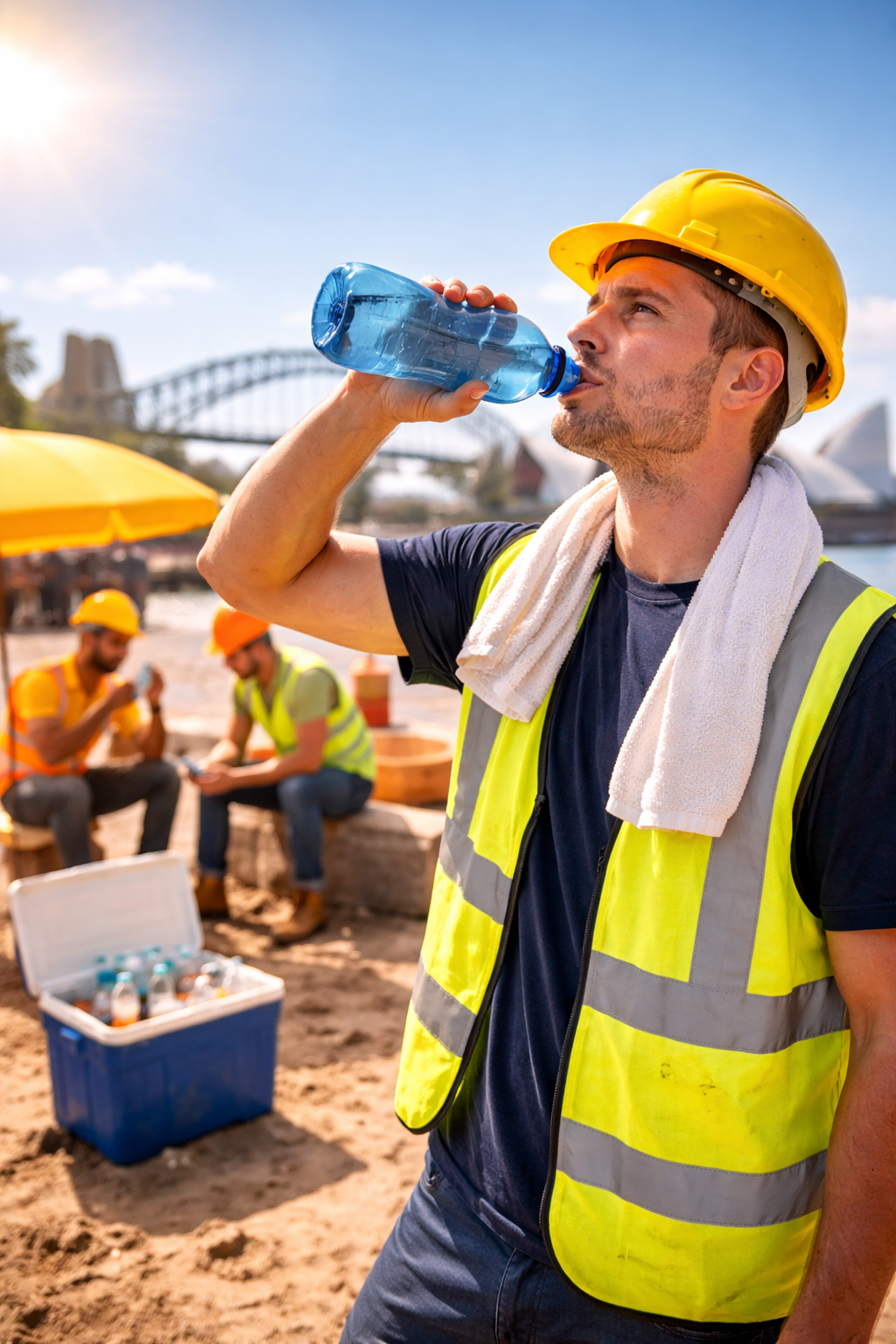
    Working outdoors in Sydney’s summer can be brutal. With temperatures often exceeding 35°C, outdoor workers face serious risks like heat exhaustion, dehydration, and heatstroke.

    Therefore, understanding heat safety for Sydney outdoor workers isn’t just important—it’s critical for preventing life-threatening situations.

    Heat Safety for Sydney Outdoor Workers

    As temperatures rise across Sydney, outdoor workers face increasing risks. Therefore, understanding heat safety for Sydney outdoor workers is essential for preventing heat-related illnesses.

    Firstly, dehydration is one of the most common issues. However, by drinking water regularly and taking breaks, workers can significantly reduce risk.

    Moreover, wearing appropriate clothing and scheduling work outside peak heat hours further enhances safety.

    In addition, proper first aid knowledge plays a crucial role. Consequently, workers trained in first aid can respond quickly and effectively to emergencies.

    Ultimately, combining prevention strategies with proper training ensures a safer work environment across Sydney.

    āš ļø Why Heat Safety Matters for Outdoor Workers in Sydney

    Firstly, Sydney’s climate combines high temperatures + humidity, which significantly increases heat stress risk.

    As a result, outdoor workers in industries like:

    • Construction
    • Landscaping
    • Warehousing
    • Road work

    are particularly vulnerable.

    šŸ‘‰ According to workplace safety standards outlined on training.gov.au, employers must actively manage environmental risks such as heat.

    .


    šŸŒ”ļø Common Heat-Related Illnesses

    Before diving into prevention, it’s important to recognise the risks.

    šŸ”„ Heat Exhaustion

    • Heavy sweating
    • Dizziness
    • Fatigue
    • Nausea

    🚨 Heatstroke (Medical Emergency)

    • Confusion
    • Loss of consciousness
    • Hot, dry skin

    šŸ‘‰ If untreated, heatstroke can be fatal.

    🧊 1. Stay Hydrated at All Times

    Firstly, hydration is your strongest defence.

    • Drink water every 15–20 minutes
    • Avoid caffeine and alcohol
    • Use electrolyte drinks when needed

    šŸ‘‰ Even if you’re not thirsty—keep drinking.

    🧢 2. Wear the Right Clothing

    In addition, proper clothing reduces heat absorption.

    • Lightweight, breathable fabrics
    • Light colours
    • Wide-brim hats

    šŸ‘‰ This helps regulate body temperature effectively.

    ā° 3. Schedule Work Smartly

    Furthermore, timing matters.

    • Start earlier in the day
    • Avoid peak heat (11am–3pm)
    • Rotate tasks to reduce exposure

    šŸ‘‰ Small adjustments can significantly reduce risk.

    šŸ–ļø 4. Take Regular Breaks

    Equally important, rest prevents overheating.

    • Take breaks in shaded or cool areas
    • Use air-conditioned spaces when possible

    šŸ‘‰ This allows your body to recover.

    šŸš‘ 5. Know First Aid for Heat Emergencies

    However, prevention alone isn’t enough—you must also be prepared.

    If someone shows signs of heat exhaustion:

    • Move them to a cool area
    • Provide water
    • Loosen clothing

    If symptoms worsen → call 000 immediately

    šŸ‘‰ Learn full first aid skills here:
    Provide First Aid

    šŸ‘‰ CPR training:
    Provide CPR

    🧠 6. Workplace Responsibility & Compliance

    Moreover, employers have legal obligations.

    According to safety authorities:

    • Workplaces must assess heat risks
    • Provide hydration and rest breaks
    • Train staff in emergency response

    šŸ‘‰ Refer to:

    • Australian Children’s Education & Care Quality Authority
    • ABC First Aid

    šŸ‘¶ Special Note: Workers Around Children

    Additionally, those working in childcare or education settings must take extra precautions.

    šŸ‘‰ Child Protection Course (Accredited)

    šŸ‘‰ Ensures safety for both workers and children during extreme conditions.

    šŸ” How to Stay Safe During Sydney Heatwaves

    To summarise, here’s a quick checklist:

    • āœ… Hydrate consistently
    • āœ… Wear breathable clothing
    • āœ… Take frequent breaks
    • āœ… Adjust work hours
    • āœ… Know first aid response

    FAQ Section

    Generally, anything above 35°C significantly increases heat risk, especially with humidity.

    Heat exhaustion is less severe, while heatstroke is a medical emergency requiring immediate attention.

    Every 15–20 minutes, even if not thirsty.

    Yes. It ensures quick and effective response to heat-related emergencies.

    Water, shade, rest breaks, and proper safety training.

    āœ… Final Thoughts

    Ultimately, heat safety for Sydney outdoor workers is about preparation, awareness, and action.

    Because when temperatures rise, so do the risks.

    šŸ‘‰ And with the right knowledge and training, those risks can be managed—and lives can be saved.

    šŸ”— Relevant Authority (Use These)

    ABC First Aid (RTO 3399)

    Nationally recognised training provider:

    ā€œDelivered in partnership with a nationally recognised training providerā€


    Training.gov.au

    Official course standards:

    ā€œaligned with official course standards on training.gov.auā€

    ACECQA

    Ā ACECQA requirements:

    ā€œmeeting ACECQA requirements for educatorsā€

    Australian Resuscitation CouncilĀ 

    Ā Australian Resuscitation Council guidelines:

    ā€œbased on Australian Resuscitation Council guidelinesā€

  • Why First Aid Officers Are Essential in Workplaces | Sydney Guide

    šŸ¢ Why First Aid Officers Are Essential in Workplaces

    Accidents don’t wait—and neither should your response.

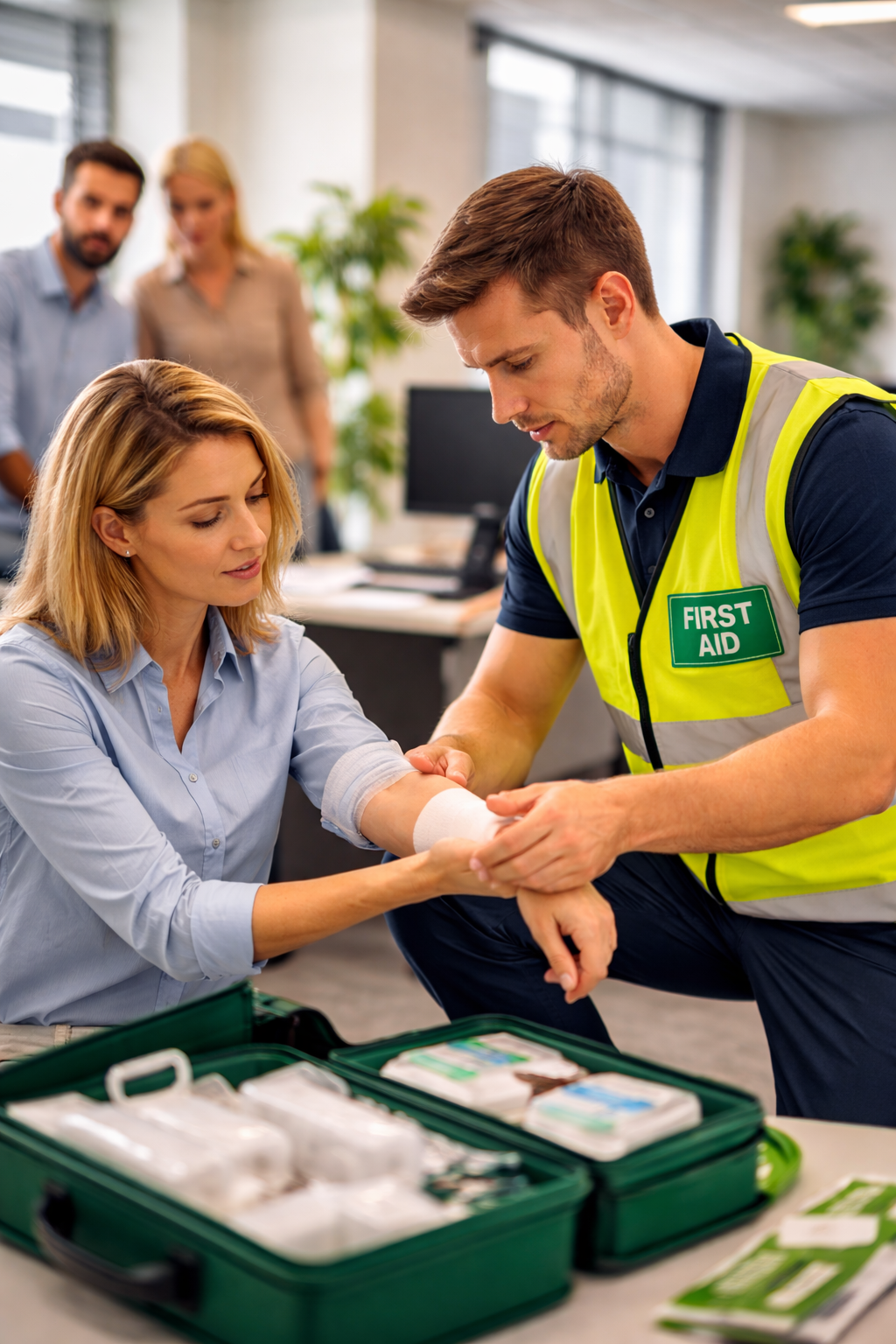
    Whether it’s a minor cut, a sudden collapse, or a serious workplace incident, having a trained First Aid Officer in the workplace can make the difference between a quick recovery and a life-threatening situation.

    So, why are First Aid Officers so essential? Let’s break it down clearly.

    āš ļø What is a First Aid Officer?

    A First Aid Officer is a trained staff member responsible for:

    • Providing immediate medical assistance
    • Managing workplace injuries and emergencies
    • Coordinating emergency response until help arrives

    šŸ‘‰ Most workplaces in Australia are required or strongly recommended to have trained first aid personnel.

    šŸš‘ 1. Immediate Response Saves Lives

    When an emergency happens, time is everything.

    Without first aid:

    • Brain damage can occur within minutes
    • Minor injuries can escalate quickly

    With a trained First Aid Officer:

    • CPR can begin instantly
    • Bleeding can be controlled
    • Proper action is taken without panic

    šŸ‘‰ Learn CPR
    šŸ‘‰ Full First Aid

    🧠 2. Reduces Panic & Brings Control

    In emergencies, people panic—it’s natural.

    However, a First Aid Officer:

    • Takes control of the situation
    • Gives clear instructions
    • Keeps everyone calm and organised

    šŸ‘‰ This alone can dramatically improve outcomes.

    āš™ļø 3. Critical in High-Risk Work Environments

    Some workplaces have higher risks than others:

    • Construction sites
    • Warehouses
    • Factories
    • Gyms & fitness centres

    In these environments, injuries are more likely—and faster response is crucial.

    šŸ“‰ 4. Minimises Injury Severity

    Quick first aid can:

    • Prevent infections
    • Reduce recovery time
    • Stop conditions from worsening

    šŸ‘‰ For example:
    A simple burn treated immediately = minor injury
    Untreated = potential hospital visit

    šŸ“‹ 5. Helps Meet Workplace Safety Requirements

    Workplace safety isn’t optional.

    According to Australian guidelines:

    • Employers must provide a safe work environment
    • First aid readiness is a key part of compliance

    šŸ‘‰ Refer to:

    • Safe Work Australia
    • training.gov.au

    šŸ§‘ā€šŸ¤ā€šŸ§‘ 6. Builds a Safer Workplace Culture

    Having trained First Aid Officers sends a strong message:

    šŸ‘‰ ā€œWe care about safety.ā€

    This leads to:

    • More confident employees
    • Better morale
    • Increased trust within the team

    ⚔ 7. Essential for Cardiac Emergencies

    Sudden cardiac arrest can happen anywhere—even at work.

    A trained First Aid Officer can:

    • Perform CPR immediately
    • Use an AED correctly
    • Increase survival chances significantly

    šŸŽÆ Who Needs First Aid Officers?

    Almost every workplace benefits, but especially:

    • Offices
    • Childcare centres
    • Construction sites
    • Retail stores
    • Fitness centres

    šŸ‘‰ Childcare staff should also complete

    šŸ“ˆ The Real Impact

    Workplaces with trained First Aid Officers experience:

    • Faster emergency response
    • Fewer severe injuries
    • Improved safety compliance
    • Greater employee confidence

    FAQ Sectionā“

    Not always mandatory, but strongly recommended under workplace safety guidelines.

    It depends on workplace size, risk level, and number of employees.

    Typically, a nationally recognised course like Provide First Aid (HLTAID011).

    First Aid: every 3 years
    CPR: every 12 months

    Yes—any staff member can be trained and certified.

    āœ… Final Thought

    Workplace emergencies are unpredictable—but your response doesn’t have to be.

    Having a trained First Aid Officer means:

    • Faster action
    • Better outcomes
    • Safer workplaces

    šŸ‘‰ And ultimately, it could save a life.

    šŸ”„ Want to Take Action?

    If your workplace doesn’t have a trained First Aid Officer yet—now is the time.

    šŸ‘‰ Get certified quickly:

    šŸ”— Relevant Authority (Use These)

    ABC First Aid (RTO 3399)

    Nationally recognised training provider:

    ā€œDelivered in partnership with a nationally recognised training providerā€


    Training.gov.au

    Official course standards:

    ā€œaligned with official course standards on training.gov.auā€

    ACECQA

    Ā ACECQA requirements:

    ā€œmeeting ACECQA requirements for educatorsā€

    Australian Resuscitation CouncilĀ 

    Ā Australian Resuscitation Council guidelines:

    ā€œbased on Australian Resuscitation Council guidelinesā€

  • AED Locations Sydney: Where to Find Defibrillators Near You

    šŸš‘ AED Locations Every Sydney Resident Should Know

    When sudden cardiac arrest strikes, every second matters. In fact, using an Automated External Defibrillator (AED) within the first few minutes can double or even triple survival chances.

    That’s why knowing AED locations in Sydney isn’t just helpful—it’s essential.

    šŸ“ What is an AED and Why It Matters

    An AED (Automated External Defibrillator) is a portable device that delivers a shock to restore a normal heart rhythm.

    The best part?
    šŸ‘‰ Anyone can use it—no medical background required.

    AEDs are designed to:

    • Give clear voice instructions
    • Analyse heart rhythm automatically
    • Only deliver a shock if needed

    šŸ™ļø Common AED Locations in Sydney

    AEDs are becoming more accessible across Sydney. However, many people still don’t know where to find them.

    Here are the most common places you’ll find AEDs:

    šŸ‹ļø Gyms & Fitness Centres

    High-intensity workouts increase cardiac risk, making gyms one of the most critical places for AED access.

    šŸ‘‰ Many modern gyms now have AEDs near reception or training areas.

    šŸ« Schools & Childcare Centres

    Schools are increasingly equipped with AEDs to protect staff, students, and visitors.

    šŸ‘‰ Especially important in childcare and education settings.

    šŸ›ļø Shopping Centres & Public Spaces

    Large crowds = higher likelihood of emergencies.

    You’ll often find AEDs:

    • Near information desks
    • Security offices
    • Main entrances

    šŸš‰ Train Stations & Transport Hubs

    Busy transport areas are key AED zones.

    šŸ‘‰ Look for AED signage on platforms or near staff areas.

    šŸ¢ Workplaces & Offices

    More workplaces are investing in AEDs as part of safety compliance.

    šŸ‘‰ Especially in:

    • Construction sites
    • Warehouses
    • Corporate offices

    šŸ–ļø Beaches & Outdoor Areas

    Sydney’s outdoor lifestyle makes AED access at beaches and parks crucial.

    šŸ‘‰ Many lifeguard stations are equipped with AEDs.

    šŸ” How to Find AEDs Near You in Sydney

    Even with growing availability, finding an AED quickly can be challenging.

    Here’s how to stay prepared:

    • Check local council websites
    • Use AED locator apps (where available)
    • Look for green AED signs in public areas
    • Ask staff/security in large venues

    āš ļø What To Do If You Find Someone Unconscious

    Knowing where AEDs are is step one—knowing what to do is step two.

    Follow these steps:

    1. Call 000 immediately
    2. Start CPR
    3. Send someone to get an AED
    4. Follow AED voice prompts

    šŸ‘‰ Learn CPR here
    šŸ‘‰ Full first aid training

    šŸŽÆ Why AED Awareness is Critical in Sydney

    Sydney is a fast-paced, high-density city. Emergencies can happen anywhere—at the gym, work, or even during a family outing.

    Therefore, knowing AED locations every Sydney resident should know can:

    • Save lives
    • Reduce panic in emergencies
    • Improve response time

    šŸ“š Trusted Safety Authorities

    For official guidelines and safety standards:

    • Australian Children’s Education & Care Quality Authority
    • training.gov.au
    • ABC First Aid

    ā“ FAQ Section

    AEDs are commonly found in gyms, shopping centres, workplaces, schools, transport hubs, and beaches.

    Yes. AEDs are designed for public use and provide step-by-step instructions.

    No, but training improves confidence and response time.

    Look for AED signs or ask staff/security in public places.

    Call 000, start CPR, and follow the AED instructions.

    āœ… Final Thought

    AEDs are everywhere—but only if you know where to look.

    So next time you’re at the gym, shopping centre, or train station, take a second to notice where the AED is.

    Because one day, that knowledge could save a life.

  • Common AED Mistakes Bystanders Make & How to Avoid Them??

    šŸš‘ The Most Common AED Mistakes Bystanders Make (And How to Avoid Them)

    When someone suffers sudden cardiac arrest, every second counts. In Sydney alone, hundreds of cardiac arrests occur each year outside of hospitals. While Automated External Defibrillators (AEDs) are designed to be simple, many bystanders still hesitate—or worse, make critical mistakes.

    So, understanding the most common AED mistakes bystanders make can mean the difference between life and death.

    āš ļø Why AED Use Matters in Emergencies

    An AED can increase survival rates by up to 70% when used quickly alongside CPR. However, delays and misuse often reduce these chances significantly.

    šŸ‘‰ According to Australian Securities and Investments Commission and first aid authorities, early intervention is key in emergency response systems.

    āŒ 1. Hesitating to Use the AED

    One of the biggest mistakes is simply not using the AED at all.

    Many people assume:

    • They need training
    • They might harm the person
    • Someone else will step in

    šŸ‘‰ In reality, AEDs are designed for public use and give clear voice instructions.

    ⚔ 2. Not Starting CPR Immediately

    Before the AED arrives, CPR is critical.

    šŸ‘‰ Learn CPR here

    Without CPR:

    • Brain damage can begin within 4–6 minutes
    • Survival chances drop rapidly

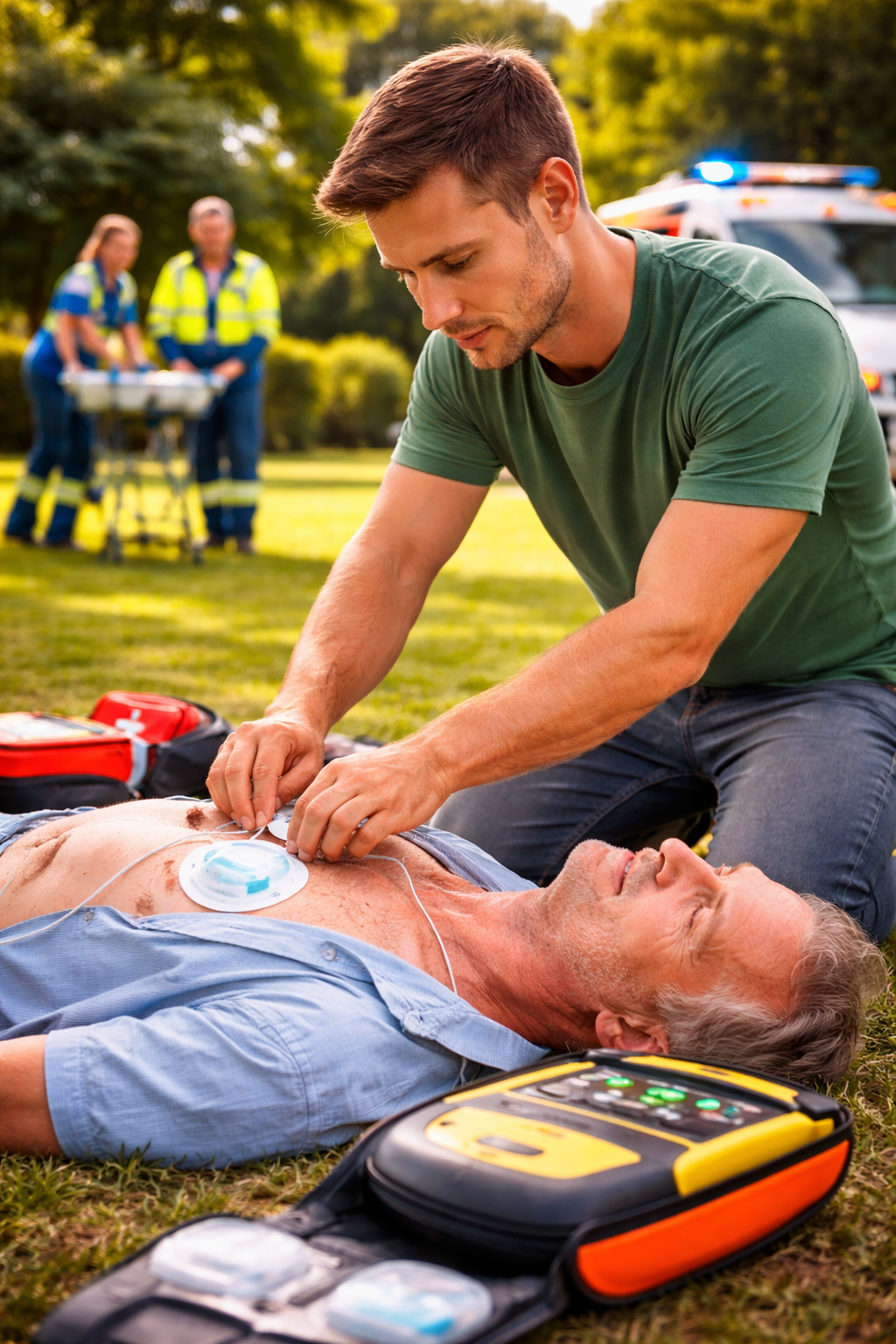
    šŸ”Œ 3. Incorrect Pad Placement

    Another common AED mistake is placing pads incorrectly.

    Correct placement:

    • One pad on the upper right chest
    • One pad on the lower left side

    Even though AEDs guide you, panic can lead to errors.

    šŸ’§ 4. Using AED on Wet Skin

    Sydney environments (pools, beaches, sweat) increase this risk.

    Before using AED:

    • Dry the chest
    • Remove excessive moisture

    šŸ‘‰ This ensures effective shock delivery.

    šŸ‘• 5. Not Removing Clothing or Obstructions

    AED pads must be placed directly on skin.

    Common issues:

    • Thick clothing
    • Jewellery
    • Medical patches

    Always clear the chest area before applying pads.

    āš ļø 6. Touching the Patient During Shock

    This is dangerous and reduces effectiveness.

    šŸ‘‰ Always:

    • Stand clear
    • Ensure others are not touching the patient

    AEDs will prompt: ā€œStand clearā€

    🧠 7. Not Following AED Instructions

    AEDs are designed to guide you step-by-step.

    However, under pressure, people:

    • Skip instructions
    • Rush the process

    šŸ‘‰ Stay calm and follow prompts carefully.

    šŸ„ 8. Not Calling Emergency Services

    Even if an AED is used successfully, emergency help is still required.

    šŸ‘‰ Always call 000 immediately before or during AED use.

    šŸŽÆ How Proper Training Prevents These Mistakes

    The best way to avoid AED mistakes is through hands-on training.

    šŸ‘‰ Learn full first aid skills

    šŸ‘‰ Childcare & workplace safety

    Training builds:

    • Confidence
    • Muscle memory
    • Faster response times

    🌐 Trusted Safety Standards & Authorities

    For best practices and national standards, refer to:

    • Australian Children’s Education & Care Quality Authority
    • training.gov.au
    • ABC First Aid
    • Australian Securities and Investments Commission

    āœ… Final Thoughts

    AEDs save lives—but only when used correctly and without hesitation.

    So, by understanding the most common AED mistakes bystanders make, you can:

    • Act faster
    • Stay confident
    • Potentially save someone’s life

    ā“ FAQ Section

    Hesitating or not using the AED at all is the most common and dangerous mistake.

    Yes. AEDs are designed for public use and provide step-by-step instructions.

    Yes. Start CPR immediately and continue until the AED is ready.

    No. Dry the chest first to ensure safe and effective use.

    AEDs analyse heart rhythm and only deliver a shock if needed.

  • Christmas First Aid Tips Every Sydney Family Should Know

    Christmas Holiday First Aid Tips (Post-Holiday Recap)

    The Christmas holidays are a time of celebration, travel, and family gatherings—but they also come with a spike in preventable injuries and medical incidents. As we wrap up the festive season, it’s the perfect time to reflect on common risks and how simple first aid knowledge can make a critical difference.

    šŸŽ„ What We Saw Over the Holidays

    During the Christmas period, there’s typically an increase in:

    • Minor burns from cooking and BBQs
    • Cuts from food preparation or new tools/gadgets
    • Dehydration and heat exhaustion (especially in Sydney summers)
    • Slips and falls around the home or pool
    • Choking incidents during large meals

    While most of these are manageable, knowing what to do in the first few minutes is what truly matters.

    šŸ”„ 1. Burns & Kitchen Accidents

    With more time spent cooking, burns are one of the most common injuries.

    Quick First Aid:

    • Cool the burn under running water for 20 minutes
    • Remove tight clothing or jewellery near the area
    • Cover with a sterile, non-stick dressing

    šŸ‘‰ Avoid ice, creams, or butter—these can worsen the injury.

    šŸ”Ŗ 2. Cuts & Lacerations

    From carving knives to new kitchen gadgets, cuts happen fast.

    Quick First Aid:

    • Apply firm pressure to stop bleeding
    • Clean the wound with water
    • Cover with a clean dressing

    šŸ‘‰ Seek medical help if bleeding doesn’t stop after 10 minutes of pressure.

    ā˜€ļø 3. Heat Exhaustion & Dehydration

    Sydney’s Christmas heat can be intense, especially during outdoor gatherings.

    Signs to watch:

    • Dizziness
    • Nausea
    • Excessive sweating

    What to do:

    • Move to a cool area
    • Provide water (small sips)
    • Loosen tight clothing

    šŸ‘‰ If symptoms worsen, it could progress to heatstroke—this is a medical emergency.

    šŸ— 4. Choking Incidents

    Large meals and distractions increase choking risks—especially for children and older adults.

    First Aid Basics:

    • Encourage coughing if possible
    • If airway is blocked: perform back blows + chest thrusts
    • Call emergency services if the person becomes unresponsive

    šŸŠ 5. Water Safety Incidents

    Backyard pools and beach trips are a holiday staple—but also a major risk.

    Prevention + Action:

    • Always supervise children
    • Learn CPR—it can double survival chances in cardiac arrest
    • Act immediately if someone is unresponsive in water

    šŸ’” Key Takeaway

    Most holiday injuries are preventable or manageable with basic first aid knowledge. The difference between panic and control often comes down to preparation.

    āœ… Moving Forward

    As we head into the new year, consider this:

    • Do you know how to respond in an emergency?
    • Would you feel confident helping a family member or client?

    First aid training isn’t just a requirement—it’s a life skill.


    šŸ“ Final Thought

    The holidays may be over, but emergencies don’t take a break. Use this recap as a reminder to stay prepared, stay aware, and ensure you’re ready to act when it matters most.

  • Sydney Heatwave Safety Tips: How to Stay Safe in Extreme Heat

    How to Stay Safe During Sydney Heatwaves (Essential Safety Tips for Families & Workplaces)

    Ā 

    Sydney summers can be intense. However, when a Sydney heatwave hits, temperatures can quickly become dangerous—especially for families, workers, and gym-goers.

    So, knowing how to stay safe during Sydney heatwaves isn’t just helpful—it’s essential. With the right preparation, you can prevent heat-related illnesses and respond effectively in an emergency.

    ā˜€ļø Why Sydney Heatwaves Are Dangerous

    During extreme heat conditions, your body struggles to cool down. As a result, this can lead to:

    • Heat exhaustion
    • Dehydration
    • Heatstroke (a life-threatening emergency)

    In fact, vulnerable groups—such as children, older adults, and active individuals—are at even greater risk during a heatwave in Sydney.

    šŸ’§ 1. Stay Hydrated at All Times

    First and foremost, hydration is critical.

    During a Sydney heatwave:

    • Drink water regularly (even if you’re not thirsty)
    • Avoid alcohol and sugary drinks
    • Increase intake during workouts or outdoor activity

    šŸ’” Especially for gym users and outdoor workers, hydration helps regulate body temperature and prevent heat stress.

    šŸ‹ļø 2. Adjust Your Exercise & Gym Routine

    While staying active is important, you should also adapt.

    Instead:

    • Train early morning or evening
    • Avoid peak heat (11am–3pm)
    • Take frequent breaks

    Additionally, always watch for warning signs like dizziness or nausea during workouts.

    ā¤ļø 3. Learn CPR – Be Ready for Emergencies

    Heatwaves can increase the risk of cardiac events, particularly during physical activity.

    That’s why learning CPR is crucial.

    šŸ‘‰ Get certified here

    With proper CPR training, you can:

    • Respond quickly
    • Stay calm under pressure
    • Potentially save a life

    🧓 4. Protect Yourself from the Sun

    Next, don’t underestimate UV exposure.

    To stay protected:

    • Apply SPF 30+ sunscreen
    • Wear hats and sunglasses
    • Seek shade whenever possible

    Moreover, sunburn can worsen dehydration and heat-related illness.

    🩹 5. Know Basic First Aid for Heat Illness

    Understanding first aid during heatwaves can make a major difference.

    If someone shows signs of heat exhaustion:

    • Move them to a cool place
    • Give water
    • Apply cool cloths

    However, if symptoms worsen (confusion, fainting), it could be heatstroke—call emergency services immediately.

    šŸ‘‰ Learn full first aid skills here

    šŸ‘¶ 6. Keep Children & Families Safe

    Children are more sensitive to heat. Therefore, extra care is needed.

    Make sure to:

    • Never leave kids in cars
    • Keep them hydrated
    • Limit outdoor play during peak heat

    šŸ‘‰ For family and childcare safety

    šŸ  7. Stay Cool Indoors

    Whenever possible:

    • Use air conditioning or fans
    • Close blinds during the day
    • Take cool showers

    If your home gets too hot, consider visiting:

    • Shopping centres
    • Libraries
    • Community cooling spaces

    šŸš‘ 8. Be Prepared, Not Reactive

    Ultimately, preparation is key.

    By learning heatwave safety tips in Sydney, along with CPR and first aid, you can:

    • Reduce risks
    • Respond confidently
    • Protect your family and others

    Final Thoughts

    Sydney heatwaves are becoming more frequent. However, with the right knowledge and preparation, you can stay safe and in control.

    So, whether you’re at home, at the gym, or outdoors, always remember:
    prevention, awareness, and quick action save lives.

    FAQs

    Stay hydrated, avoid peak heat, stay indoors when possible, and monitor for signs of heat illness.

    Dizziness, sweating, nausea, fatigue, and headache.

    If symptoms worsen into confusion, fainting, or lack of sweating, it may be heatstroke—seek urgent help.

    Yes. Heat stress can trigger cardiac events, especially during physical activity.