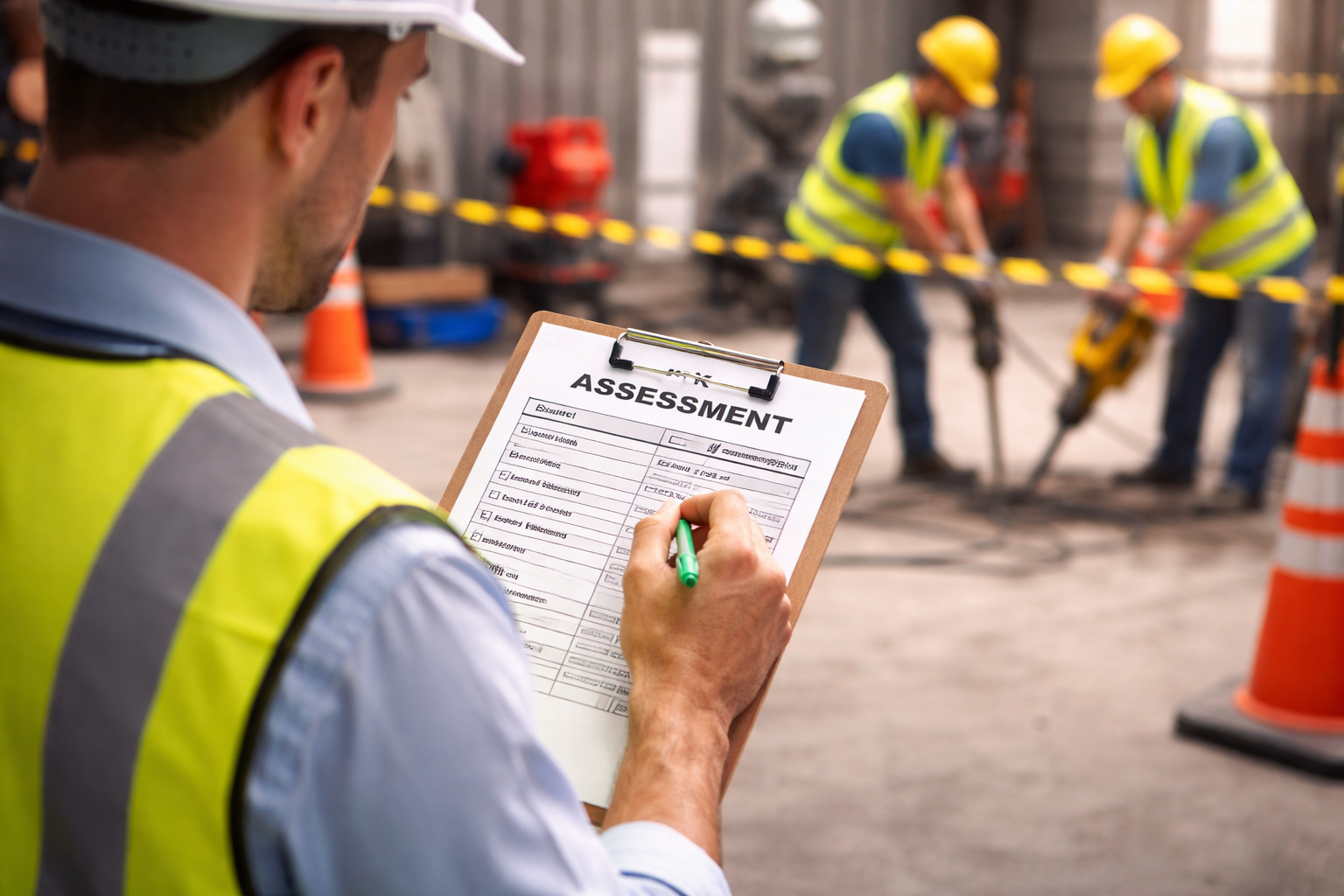
It’s a normal workday. Everything seems fine.
Then suddenly—someone slips. A tool falls. An injury happens.
Afterwards, everyone says the same thing:
👉 “We didn’t see that coming.”
But the truth is—most workplace accidents are preventable.
That’s where a proper worksite risk assessment in Sydney comes in.
Let’s break it down simply 👇




A risk assessment is the process of:
👉 It’s one of the most important steps in workplace safety.
Without proper assessment:
👉 A simple check can prevent serious incidents.
Start by looking for anything that could cause harm.
Common hazards include:
👉 Walk through the site and observe carefully.
Next, ask:
👉 Prioritise high-risk hazards first.
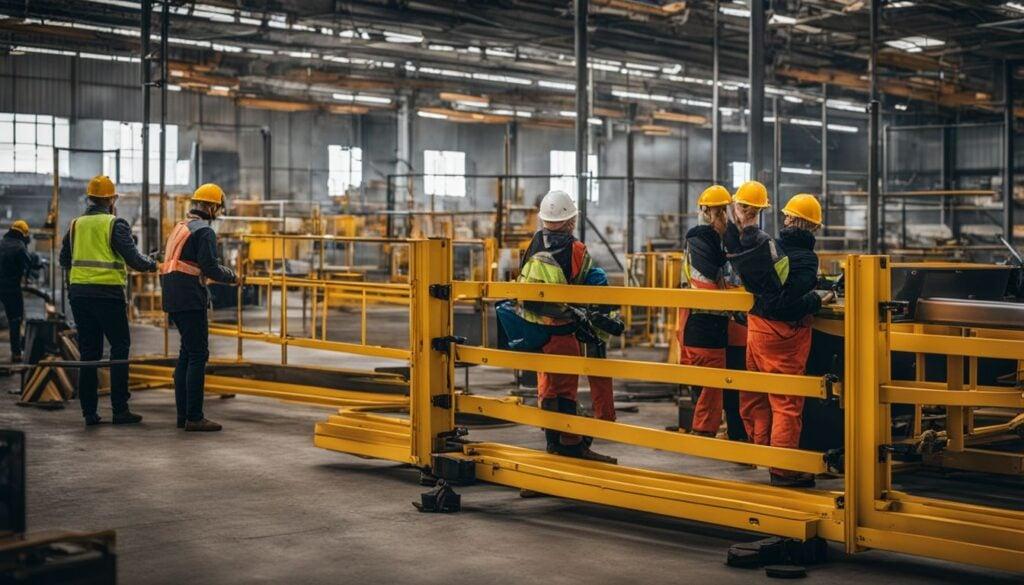

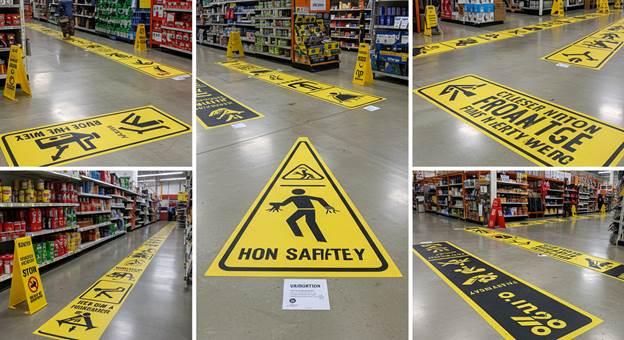

Now take action.
Examples:
👉 Eliminate risks where possible.
Keep documentation of:
👉 This ensures accountability and compliance.
Workplaces change—so risks change too.
👉 Risk assessment is not a one-time task.
Even with prevention, emergencies can still happen.
👉 Be prepared with:
Learn here:
Provide First Aid (HLTAID011)
CPR Course (HLTAID009)
Worksite risk assessments align with:
👉 Ensuring workplace safety compliance in NSW.
To identify and reduce workplace hazards before they cause harm.
Regularly and whenever changes occur.
Employers and supervisors, but all workers should contribute.
Slips, trips, equipment issues, and manual handling risks.
Yes—businesses must manage workplace risks.
A worksite risk assessment in Sydney isn’t just paperwork—it’s protection.
Because most accidents don’t happen out of nowhere.
👉 They happen when risks go unnoticed.
And with the right approach, they don’t have to happen at all.
 Relevant Authority (Use These)
Nationally recognised training provider:
“Delivered in partnership with a nationally recognised training provider”
Official course standards:
“aligned with official course standards on training.gov.au”
ACECQA
ACECQA requirements:
“meeting ACECQA requirements for educators”
Australian Resuscitation Council
Australian Resuscitation Council guidelines:
“based on Australian Resuscitation Council guidelines”
