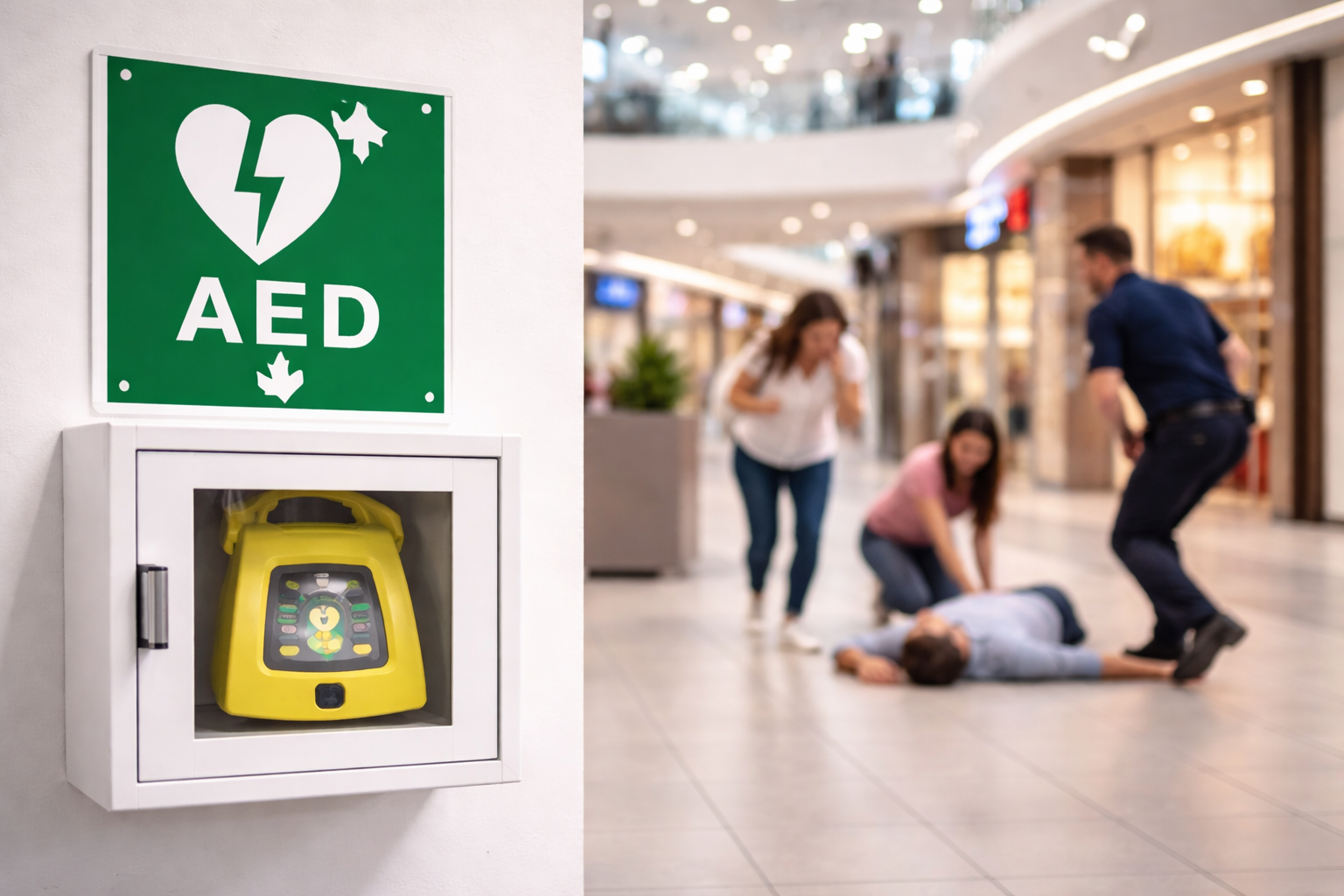
It’s a busy day at the shopping centre. People are walking, shopping, eating…
Then suddenly—someone collapses.
There’s confusion. Panic. People gather.
👉 “Is there an AED here?”
Most people don’t know.
And in a cardiac emergency, that lack of awareness can cost lives.
That’s why understanding AEDs in shopping centres in Sydney is so important—not just for staff, but for everyone.
Let’s break it down 👇
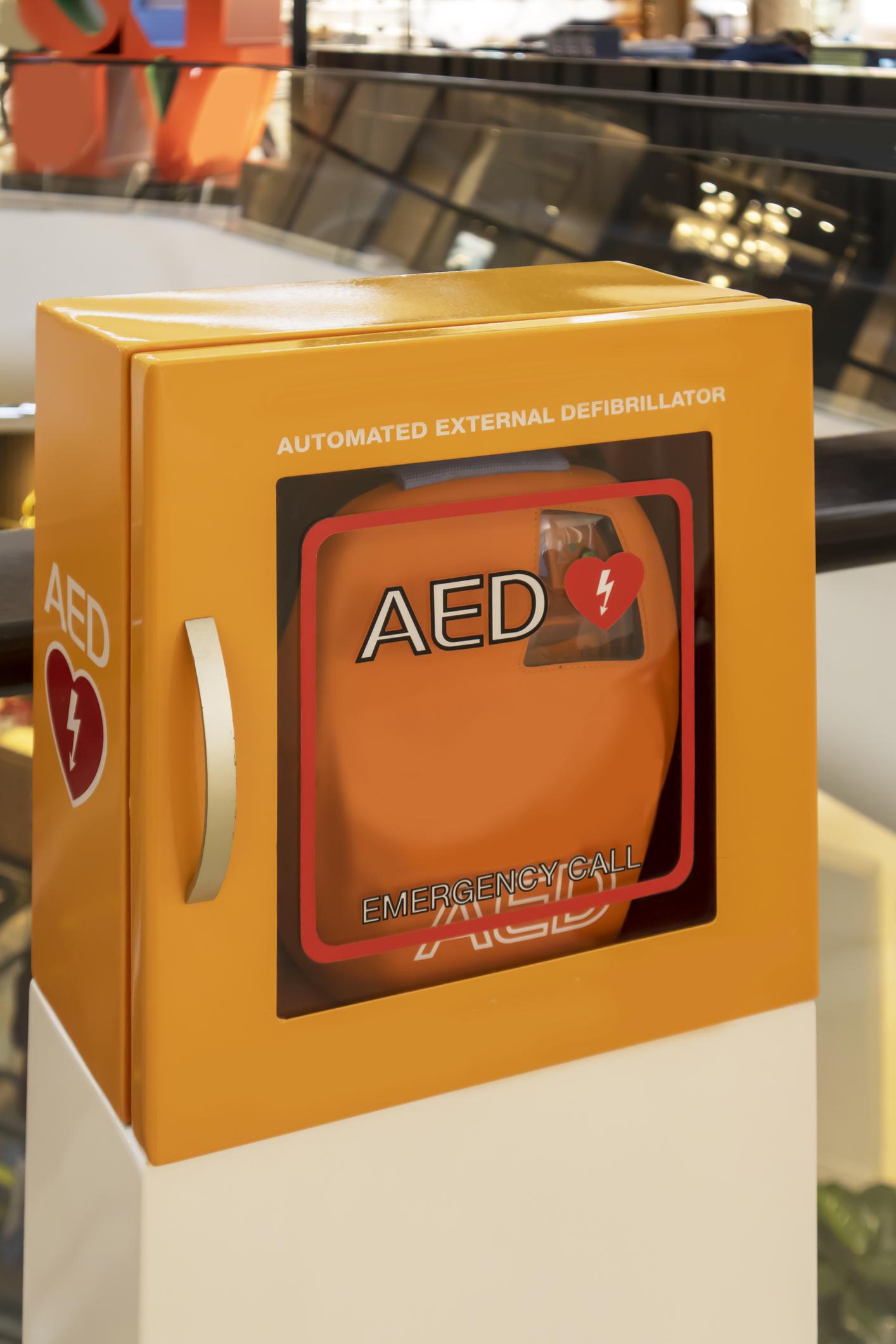
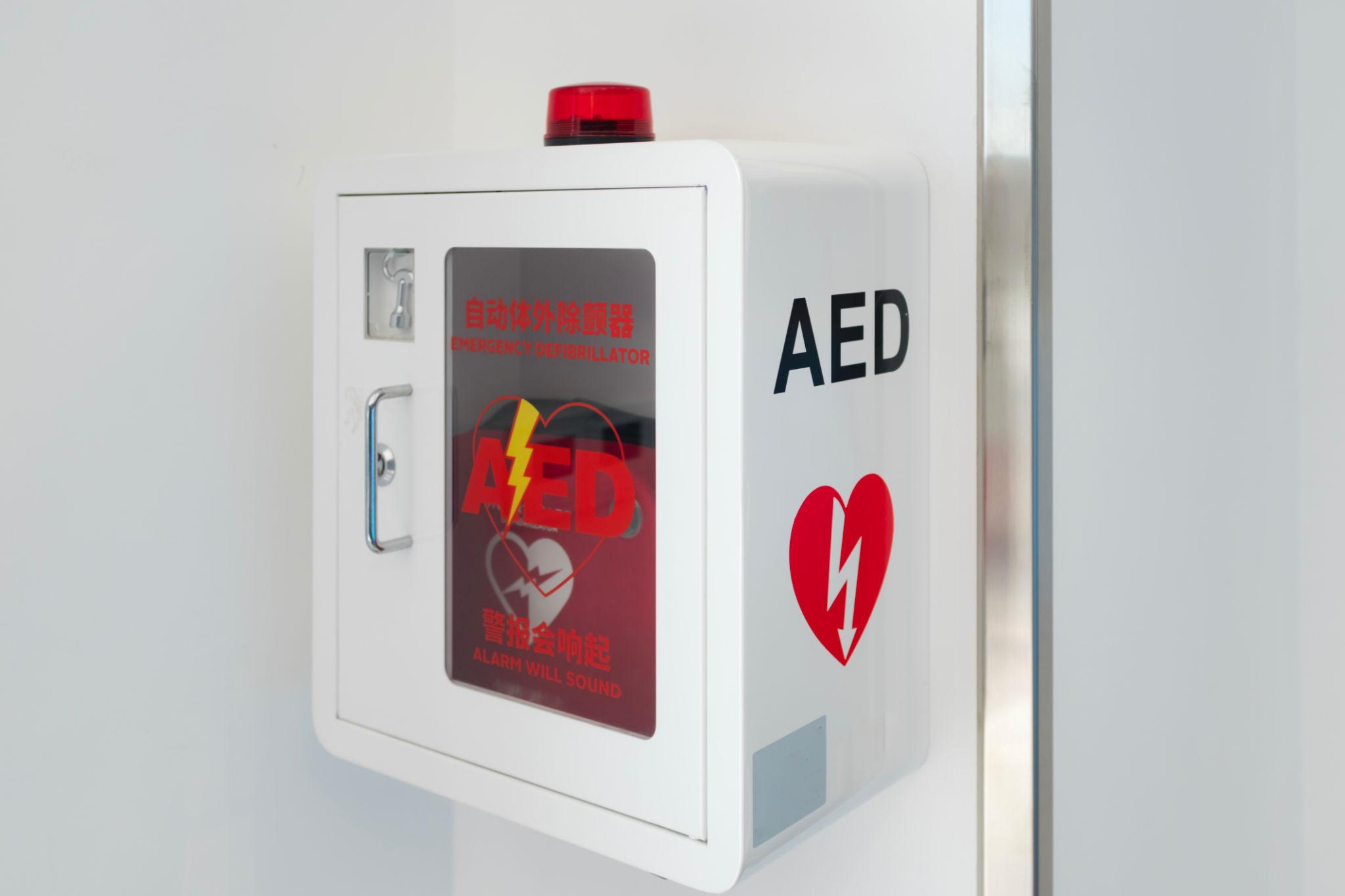
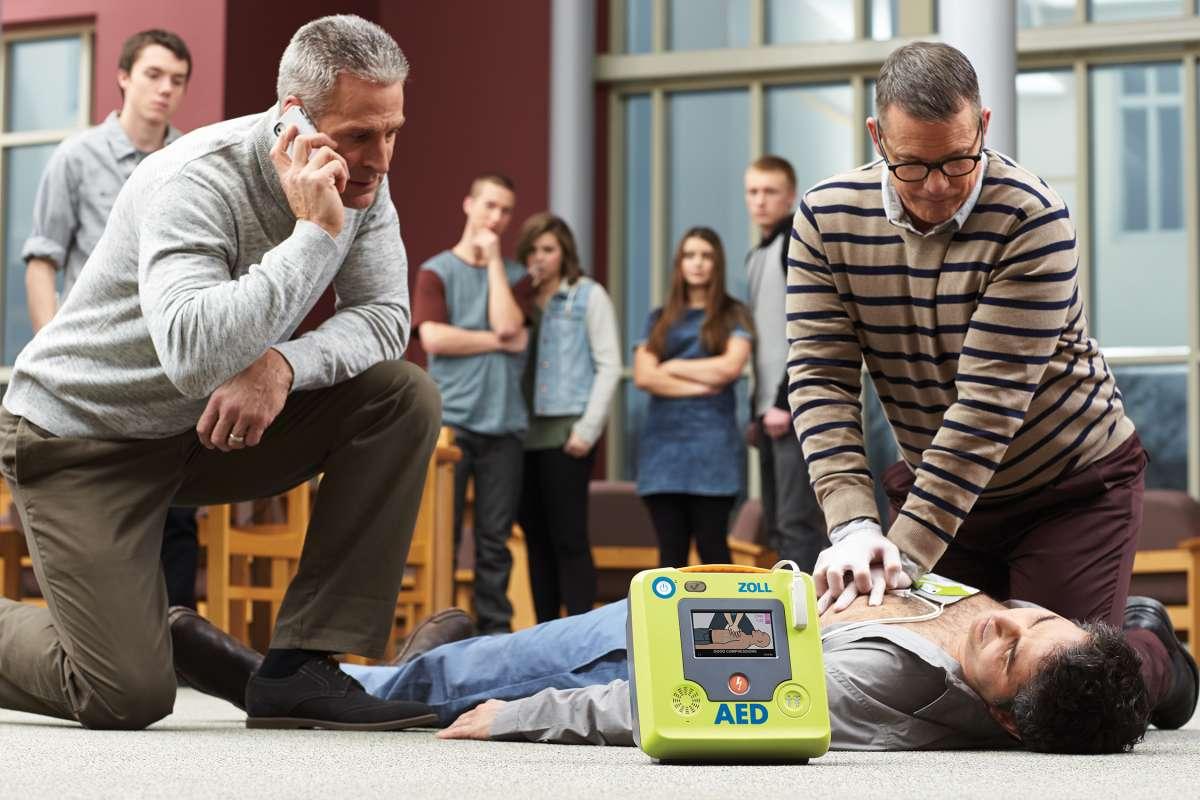
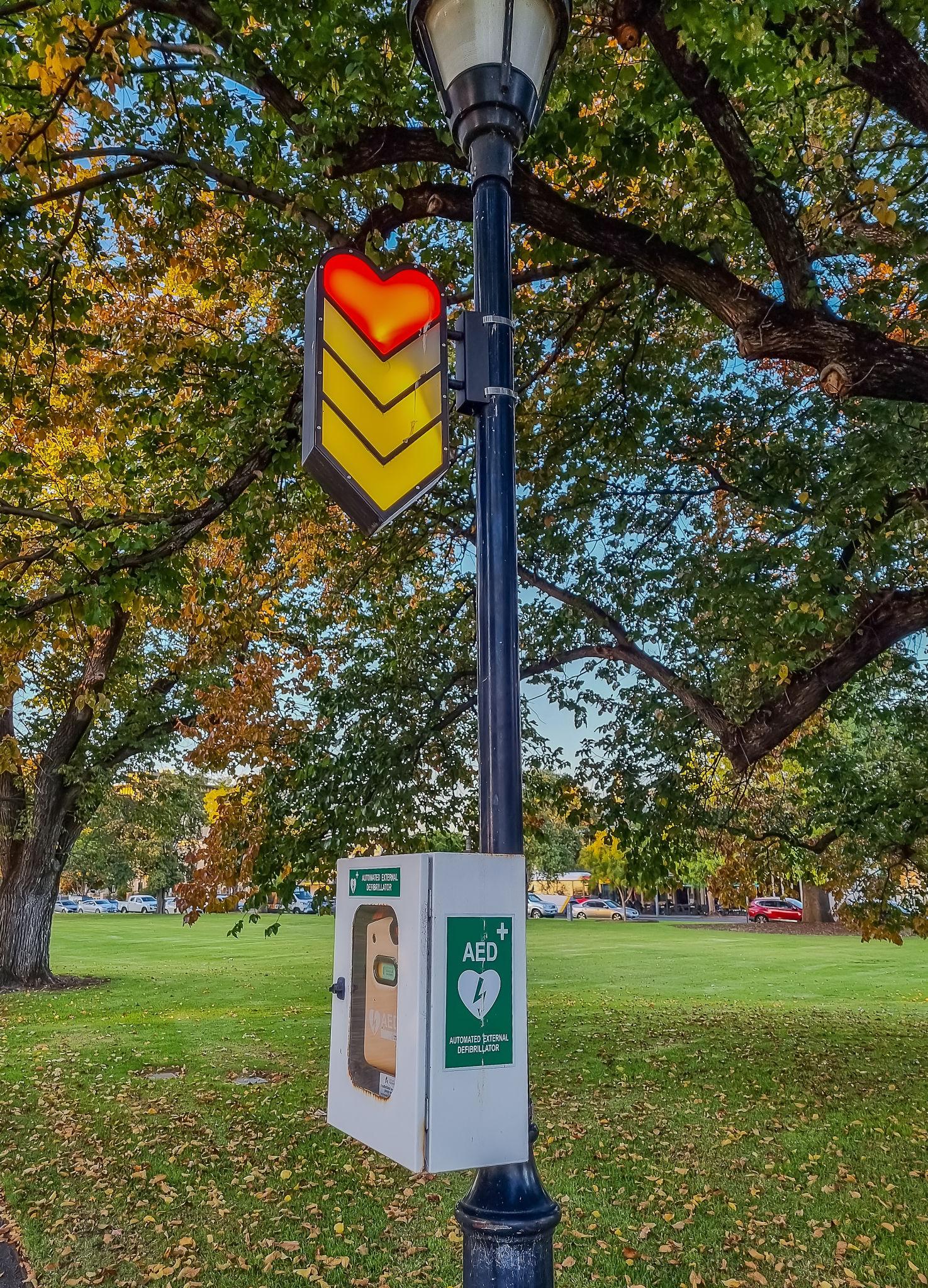
An AED (Automated External Defibrillator) is a device used to:
👉 It’s designed so anyone can use it—even without training
Shopping centres are high-risk environments because they have:
👉 This increases the likelihood of medical emergencies.
Therefore, having accessible AEDs is critical.
Most Sydney shopping centres place AEDs in:
👉 However, many people still don’t know where to find them.
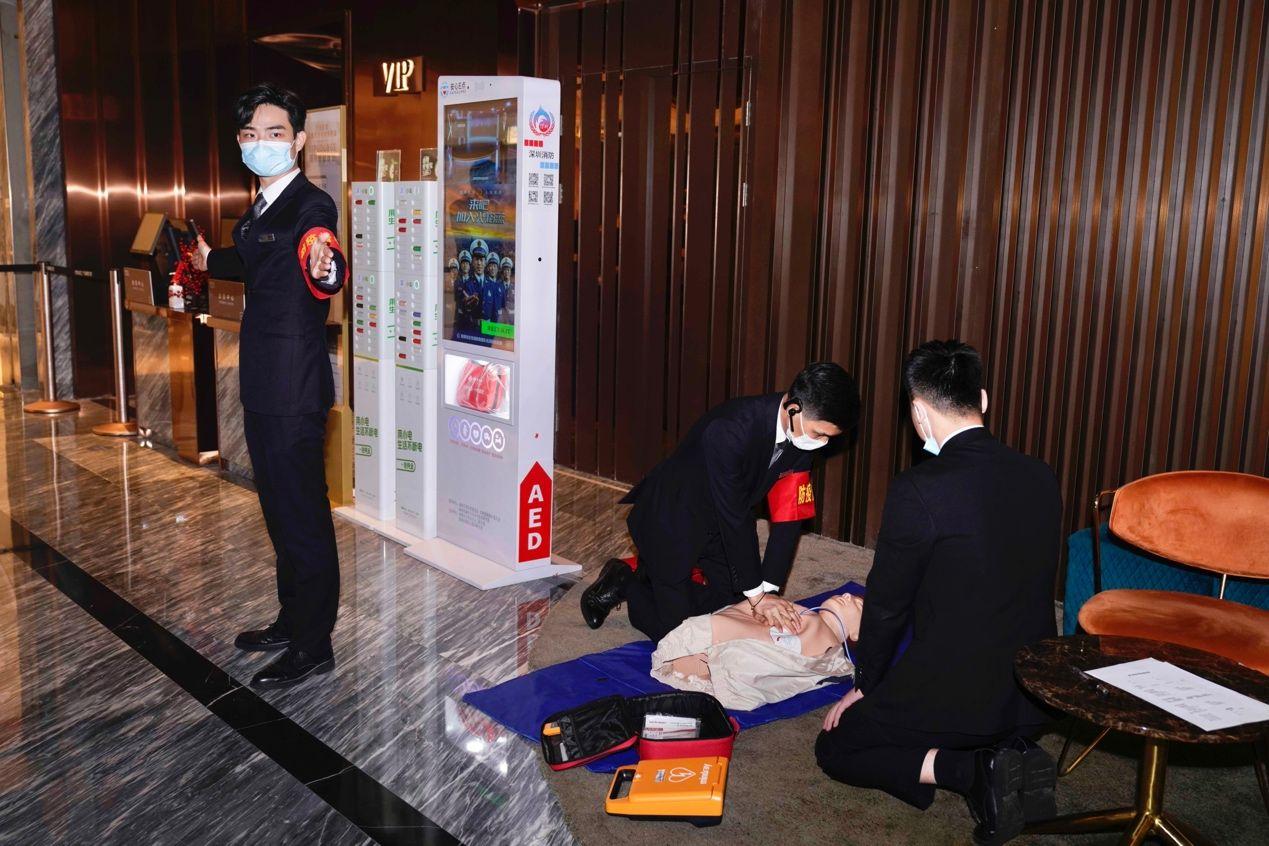
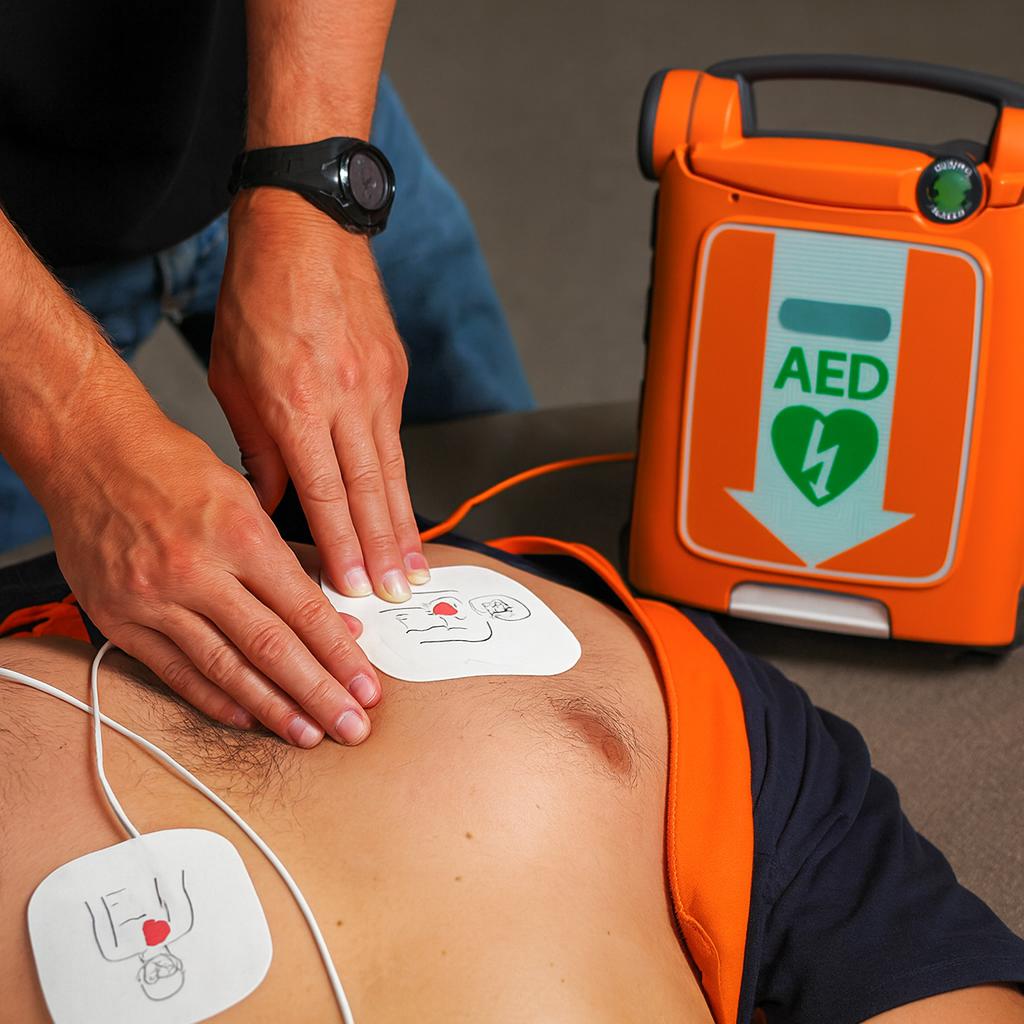
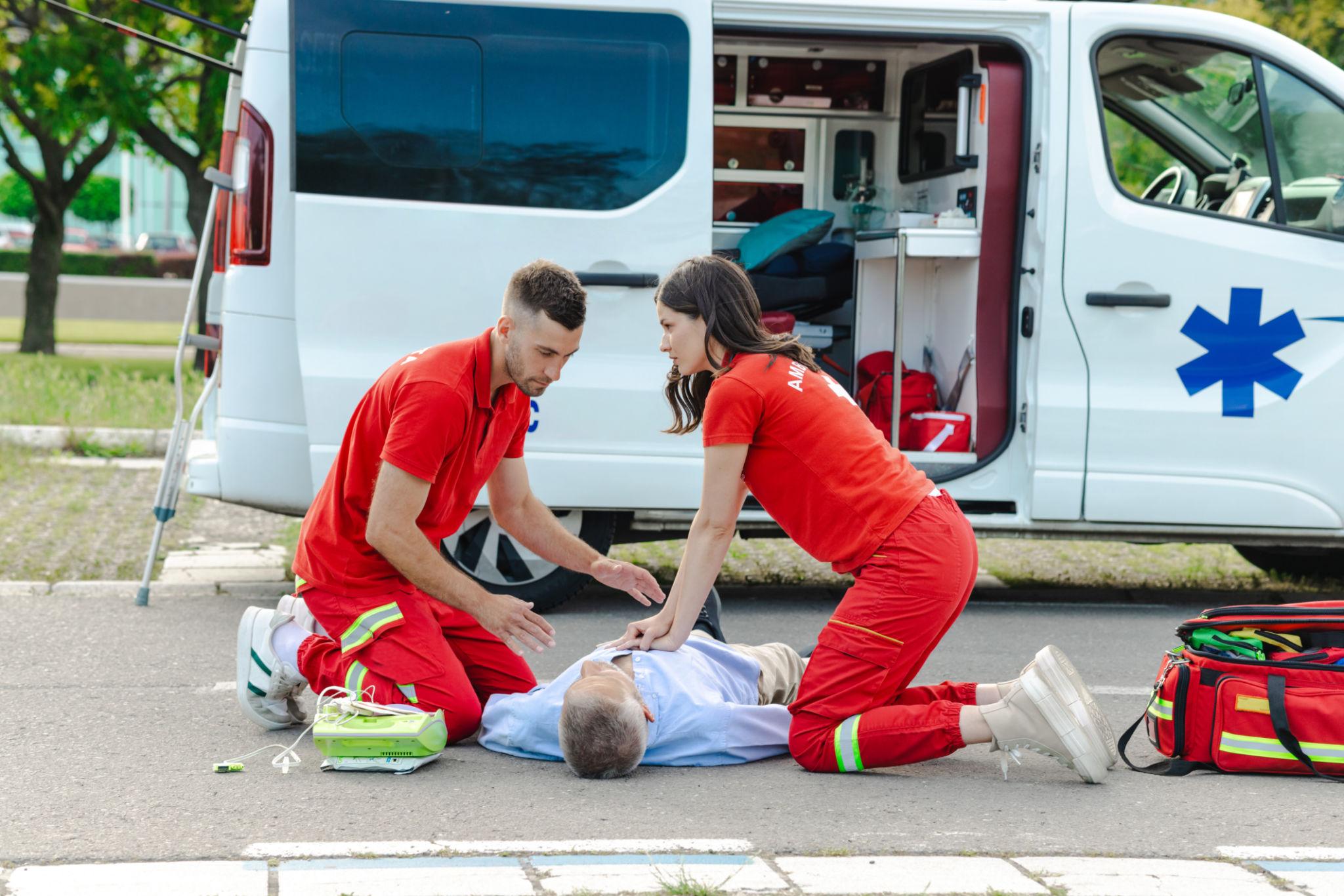
In a cardiac emergency:
👉 The faster an AED is used, the higher the chance of survival.
Yes—AEDs are built for public use.
They:
👉 You cannot accidentally harm someone using an AED.
If someone collapses in a shopping centre:
👉 Learn CPR here: CPR Course (HLTAID009)
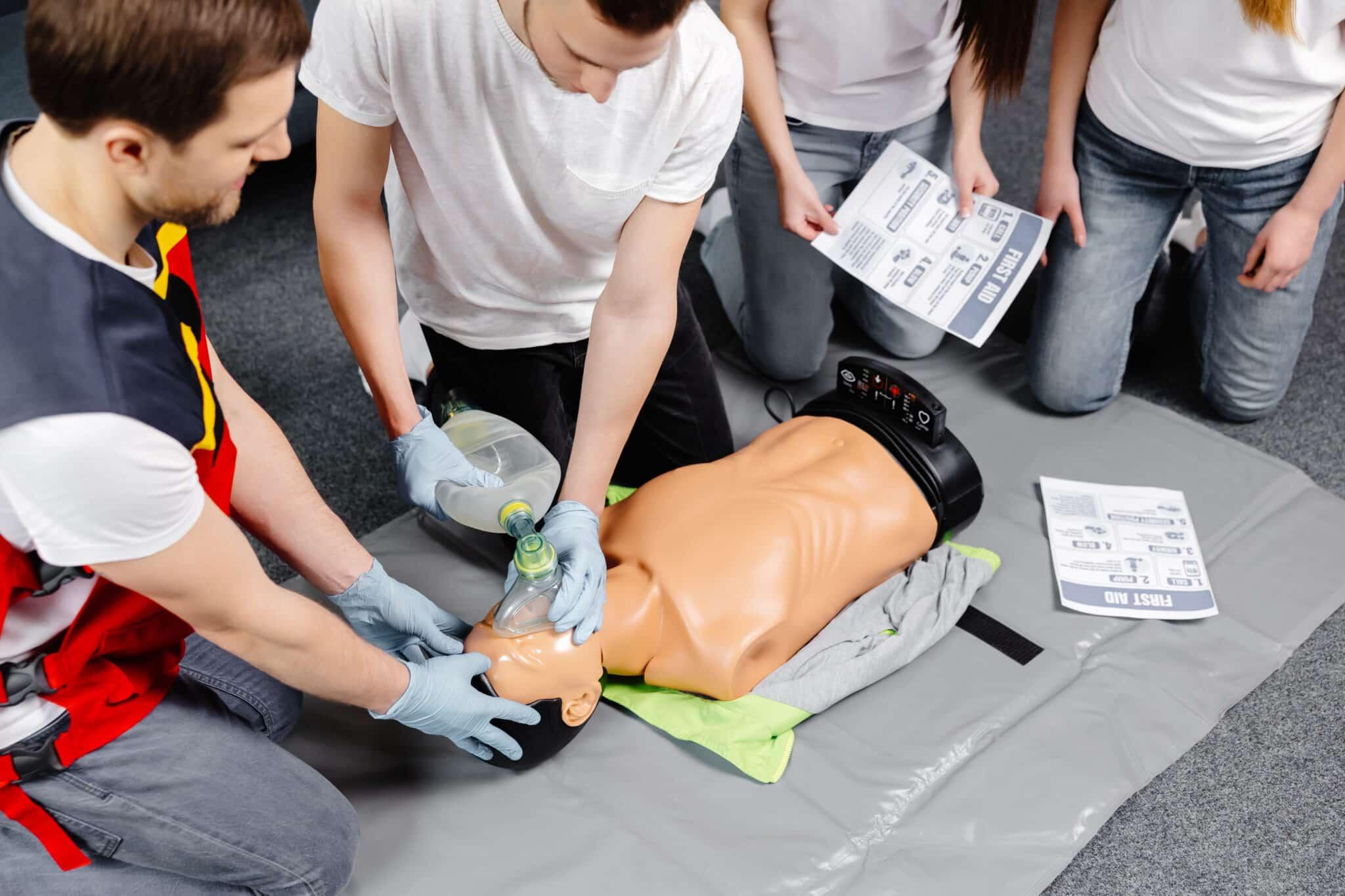
Shopping centre staff should:
👉 Training significantly improves outcomes.
AED use and placement align with:
👉 Promoting public safety and preparedness.
Most major centres do, but locations vary.
Yes—AEDs are designed for anyone to use.
You won’t—the device guides you and only shocks when needed.
Within minutes—every second counts.
Yes—start CPR immediately while waiting for the AED.
AEDs in shopping centres are life-saving devices—but only if people know they exist and how to use them.
Because in an emergency, hesitation can cost lives.
👉 And with just a little awareness, you could be the person who makes the difference.
 Relevant Authority (Use These)
Nationally recognised training provider:
“Delivered in partnership with a nationally recognised training provider”
Official course standards:
“aligned with official course standards on training.gov.au”
ACECQA
ACECQA requirements:
“meeting ACECQA requirements for educators”
Australian Resuscitation Council
Australian Resuscitation Council guidelines:
“based on Australian Resuscitation Council guidelines”
