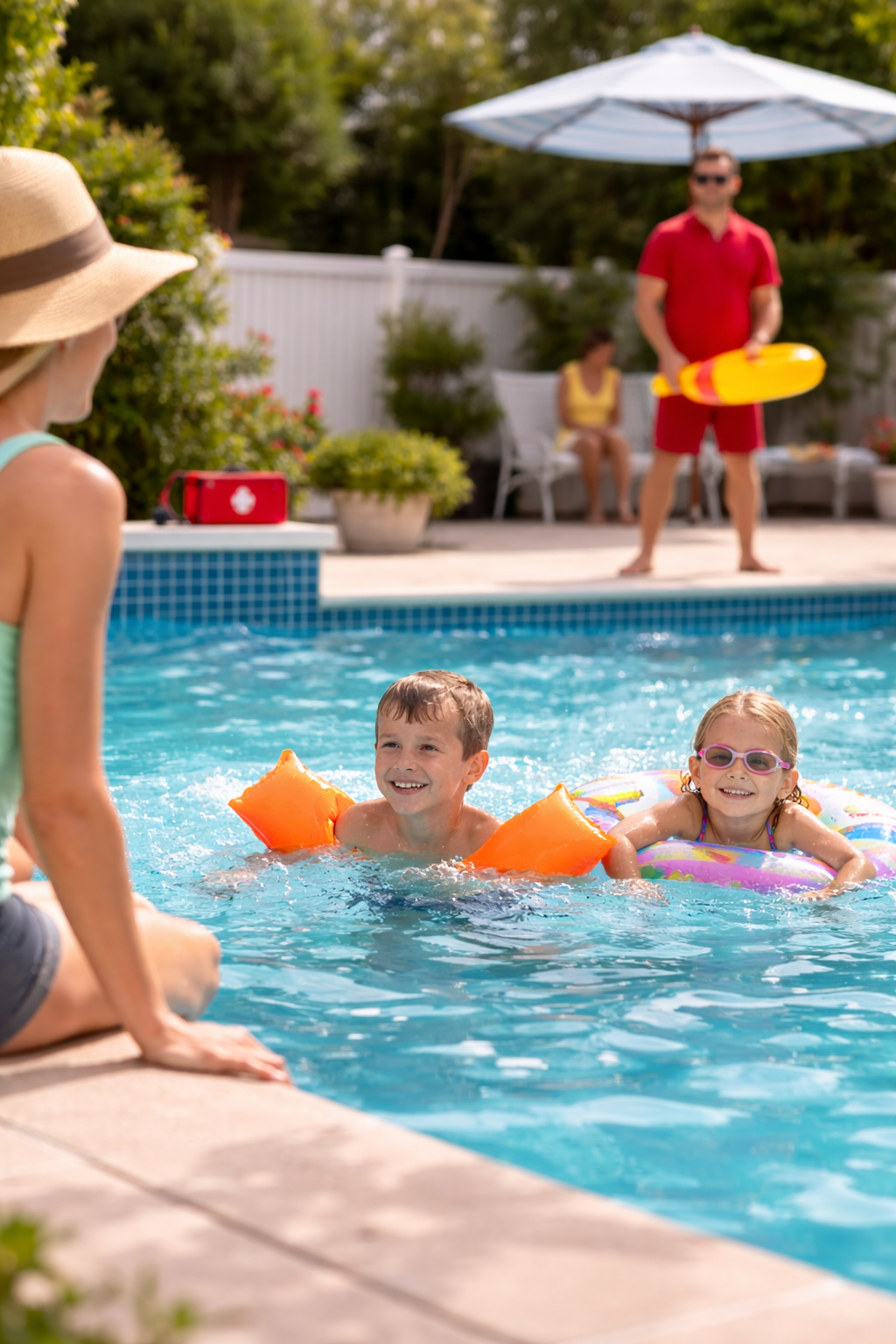
It’s a typical Sydney summer day—sun out, barbecue on, and the kids are straight in the pool. Everything feels relaxed… until suddenly, things go quiet.
No splashing. No laughter.
That’s the scary part—pool accidents don’t look dramatic. They happen quickly, silently, and when you least expect it.
While summer is the perfect time to enjoy the water, it also comes with real risks—especially for children. That’s why knowing the right pool safety rules for summer in Sydney isn’t just helpful, it’s essential.
In this guide, you’ll learn simple, practical ways to keep your family safe—so your summer stays fun, not frightening.
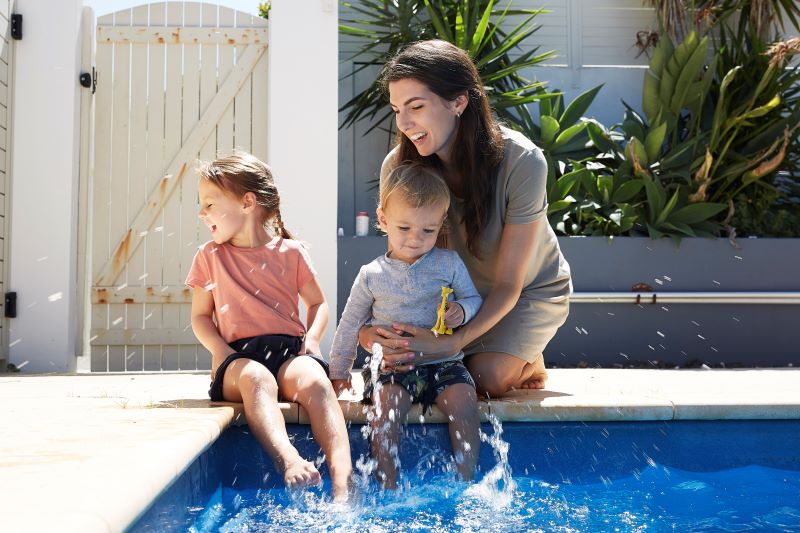
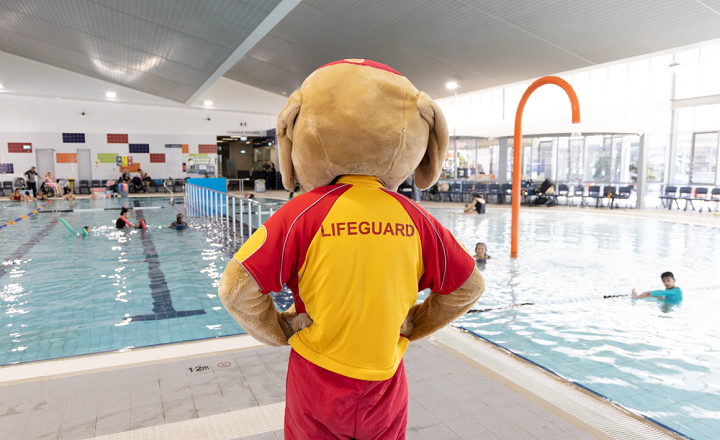
Firstly, drowning is one of the leading causes of accidental injury in Australia.
In particular:
👉 That’s why strict pool safety rules are critical—especially during summer.
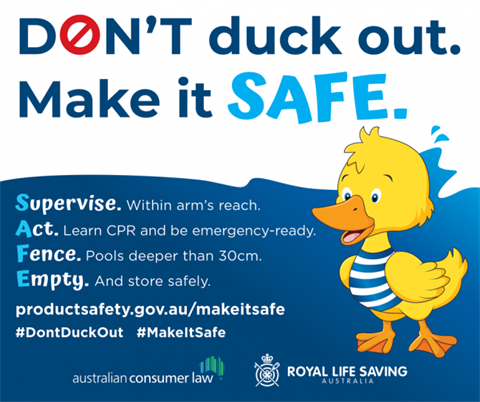
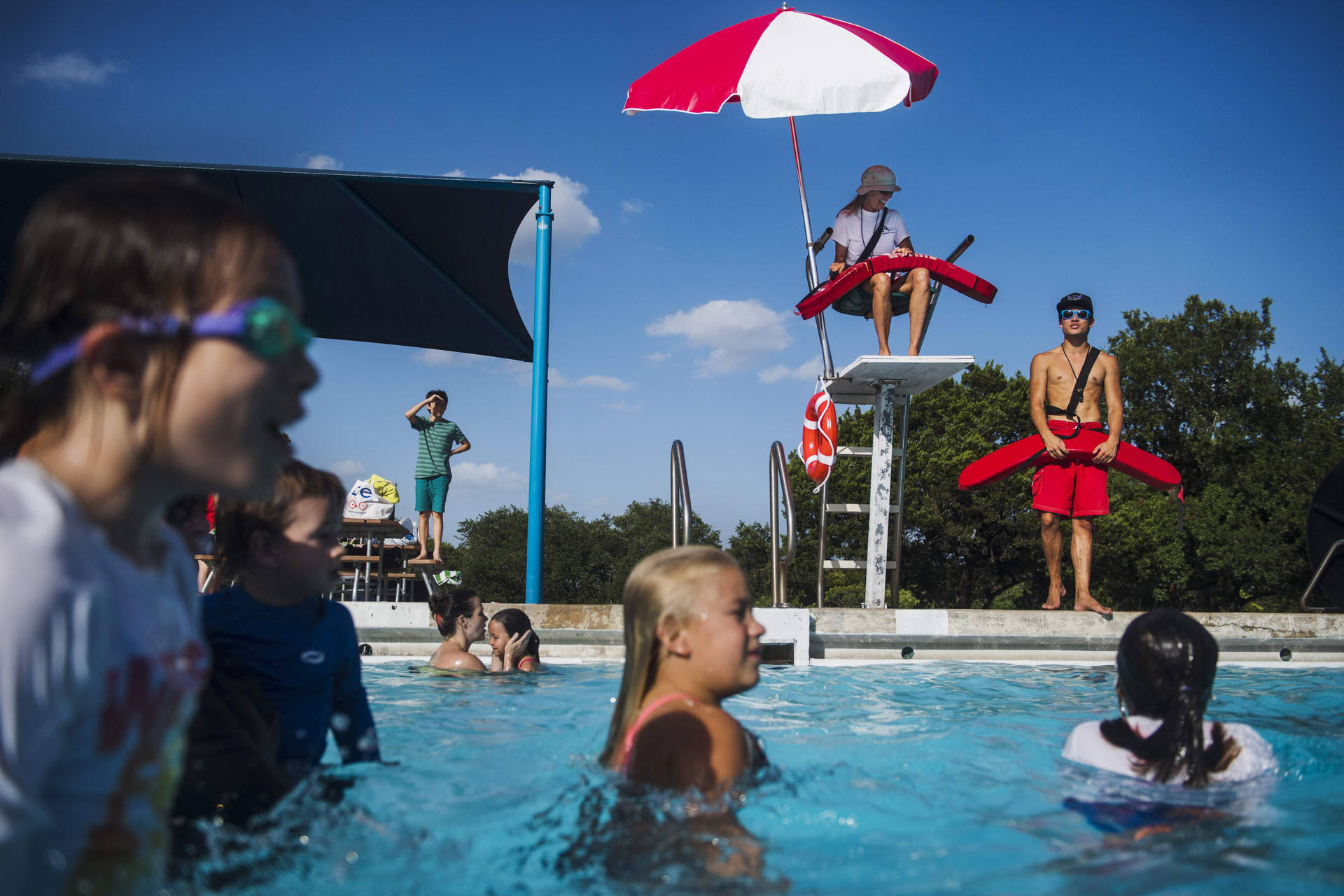
Above all, supervision saves lives.
👉 Even a few seconds can make a difference.
.
In addition, pool barriers are essential.
👉 These measures are required under safety regulations referenced by training.gov.au
Furthermore, swimming lessons are a must.
👉 However, swimming ability does NOT replace supervision.
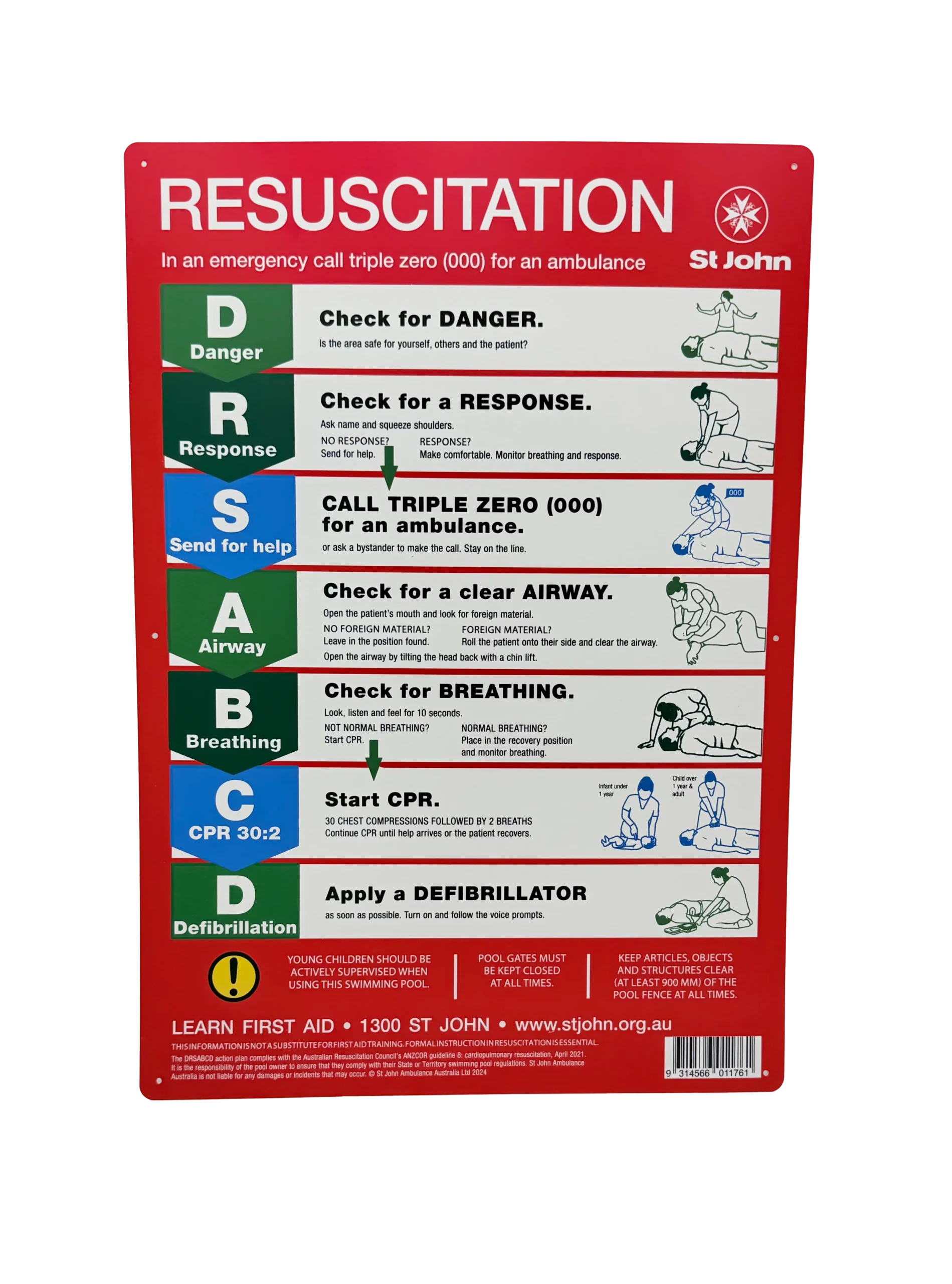
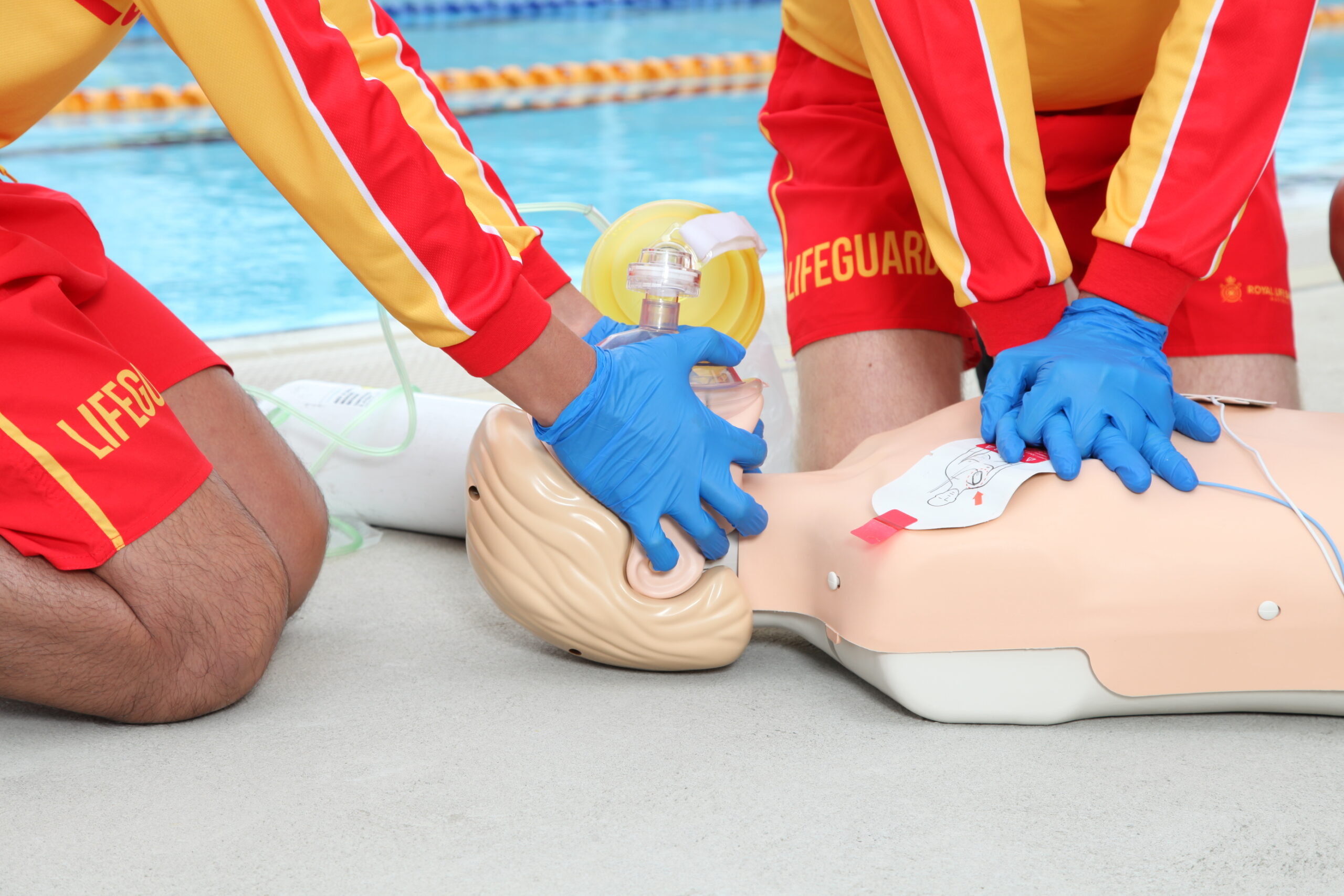
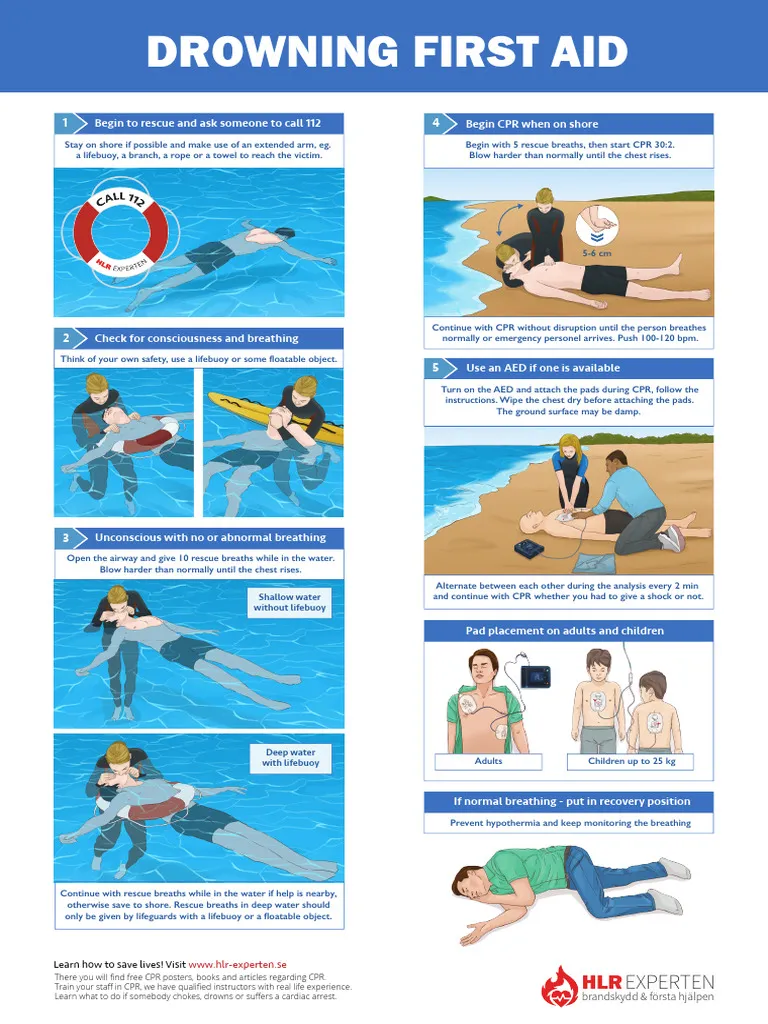
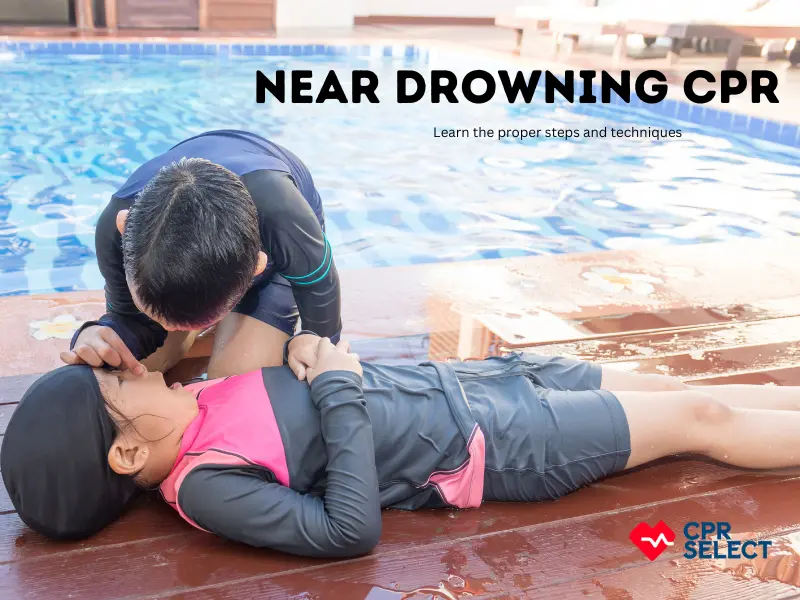
Importantly, knowing what to do in an emergency can save a life.
If someone is pulled from water:
👉 Learn life-saving skills here:
Provide First Aid
CPR Course
Moreover, alcohol increases risk.
👉 Stay alert when responsible for others.
Additionally, sun exposure can affect safety.
👉 Heat and fatigue can lead to accidents.
Drowning is often silent and quick.
Signs include:
👉 Immediate action is critical.
If you work with children:
👉 Child Protection Course (Accredited):
👉 Helps ensure safety compliance in childcare and education settings.
Pool safety aligns with guidance from:
👉 Ensuring safe environments for families and communities.
To summarise:
Constant supervision – especially for children.
Yes. Proper barriers significantly reduce drowning risk.
No. Even strong swimmers need supervision.
Call 000 immediately and begin CPR if necessary.
Highly recommended – it can save lives in emergencies.
rdion Content
Ultimately, pool safety rules for summer are about awareness, preparation, and responsibility.
Because while pools bring joy, safety ensures that enjoyment lasts.
👉 With the right precautions—and proper training—you can enjoy summer with confidence.
 Relevant Authority (Use These)
Nationally recognised training provider:
“Delivered in partnership with a nationally recognised training provider”
Official course standards:
“aligned with official course standards on training.gov.au”
ACECQA
ACECQA requirements:
“meeting ACECQA requirements for educators”
Australian Resuscitation Council
Australian Resuscitation Council guidelines:
“based on Australian Resuscitation Council guidelines”
