Author: admin

  • Training NSW Chester Hill Instructor: Behind the Scenes

    Training NSW Chester Hill Instructor: Behind the Scenes

    TrainingNSW Chester Hill Instructor | Behind the Scenes

    To begin with, spend a day with a Training NSW Chester Hill instructor and see how practical CPR and First Aid training builds confidence, workplace compliance, and nationally recognised certification. In fact, whether you are considering HLTAID009 (Provide CPR) or HLTAID011 (Provide First Aid), this behind-the-scenes look explains exactly what to expect at our Chester Hill centre.

    Morning Setup with a Training NSW Chester Hill Instructor

    First of all, the Training NSW Chester Hill instructor arrives early to prepare the space. The session begins with a quick review of the participant list, pre-course notes, and any accessibility needs. As a result, the room layout, seating plan, and equipment are ready before the first learner walks in. In addition, CPR manikins are calibrated for depth and recoil, AED trainers are tested for clear prompts, and PPE, bandages, and epinephrine trainers are placed within easy reach. Afterwards, housekeeping covers facilities, breaks, assessments, and how the day will run, which immediately reduces learner anxiety.

    For those who prefer CPR only, you can review the outline for HLTAID009: Provide CPR. Conversely, if your workplace requires broader capability, you may wish to book the full First Aid option.

    Trainer Profile: Experience that Translates to Confidence

    Moreover, our instructors bring real-world backgrounds from healthcare, emergency response, and community sport. Consequently, examples are authentic, jargon is translated into plain language, and advice is practical. Because the Training NSW Chester Hill instructor has taught hundreds of learners, they know where people commonly struggle and how to coach through it. In addition, feedback is delivered constructively, which keeps momentum high and ensures everyone progresses together.

    Mid-Morning: CPR & AED Practice

    Technique, Feedback, and Realistic Pace

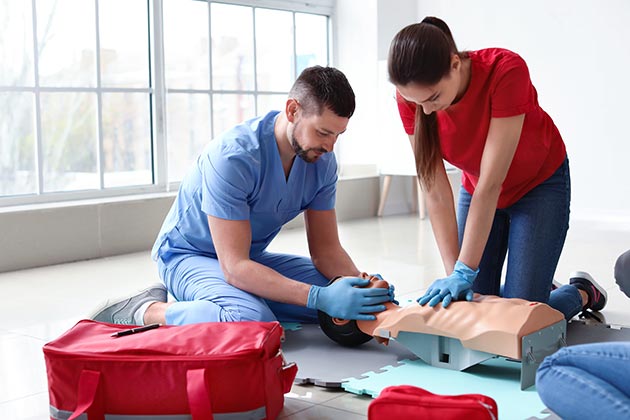
    Afterwards, learners move into practical CPR and AED sessions. They practise compressions, breaths, and AED pad placement while rotating through stations. Meanwhile, the Training NSW Chester Hill instructor coaches cadence at 100–120 per minute, depth, and full recoil to build strong habits. For example, short workplace scenarios such as an unresponsive adult in a warehouse aisle or a collapse in a break room help learners apply skills under gentle time pressure. Consequently, they become comfortable switching from assessment to action without freezing.

    Need broader coverage? Compare the full skill set in HLTAID011: Provide First Aid.

    Assessment Approach: Supportive and Fair

    Importantly, assessments are integrated throughout the day rather than saved for the end. Therefore, learners receive immediate guidance and can correct technique in real time. Because tasks are broken into clear steps, the process feels achievable even for first-timers. As an example, the assessor might observe compressions in one round and AED operation in the next, which keeps cognitive load manageable.

    Afternoon First Aid: Scenarios That Stick

    From Primary Survey to Incident Management

    Later in the day, the scope expands to bleeding control, burns, fractures, sprains, eye injuries, shock, asthma and anaphylaxis awareness, and choking. Furthermore, the Training NSW Chester Hill instructor demonstrates effective first steps, common mistakes to avoid, how to brief bystanders, and how to deliver a concise handover to Triple Zero (000). As an example, a choking drill helps participants practise back blows and abdominal thrusts safely while maintaining casualty dignity.

    What to Bring and How to Prepare

    Before you arrive, bring comfortable clothing, closed shoes, and any personal medications. Similarly, consider a water bottle and light snacks so you can focus during practice. Because the course includes kneeling and performing compressions on the floor, you may wish to bring a small towel or cushion for comfort. If you have mobility concerns, simply let us know in advance so adjustments can be made without stress.

    Location and Access

    Conveniently, our centre is located at 2/5 Chester Hill Road, directly opposite Chester Hill Train Station. Consequently, public transport access is straightforward and parking options are close by. Since sessions run on multiple days, you can choose a time that suits your commute and schedule.

    Why Chester Hill Training Works

    • Experienced trainers: Healthcare and field backgrounds make guidance practical and memorable.
    • Local relevance: Scenarios match Sydney workplaces, schools, hospitality and sport.
    • Supportive pacing: Small rotations ensure everyone gets meaningful hands-on time.
    • Same-day certification: Nationally recognised certificates on successful completion.

    Compliance & Best Practice

    We align with Australian Resuscitation Council (ARC) guidance and WHS expectations. For context on first aid roles, kits and facilities, see Safe Work Australia’s first aid guidance.

    After-Course Support

    Because skills fade over time, we provide reminders and refresher options so your knowledge stays sharp. As a result, you will know when it is time to book your next update and which course level suits your responsibilities. In addition, we offer guidance on workplace kits and AED placement, which helps convert training into safer environments.

    What Participants Say

    Time and again, learners tell us the day feels fast, practical, and surprisingly enjoyable. For example, many participants arrive nervous and leave confident, which is exactly what good training should achieve. Consequently, teams return to work ready to respond rather than simply holding a certificate. Above all, they remember the calm coaching style of the Training NSW Chester Hill instructor and the way complex topics became simple.

    Who Should Enrol?

    • Workplaces needing compliant first aiders and AED awareness.
    • Parents, carers, coaches, and community volunteers.
    • Anyone after a practical refresher with supportive coaching.

    View dates and enrol via our course calendar.

    FAQs

    How long does the course take?

    CPR usually runs 2–3 hours; First Aid 4–6 hours, depending on class size and assessment pace.

    Do I need prior knowledge?

    No. Your Training NSW Chester Hill instructor guides you step by step with as much practice as you need.

    When do I receive my certificate?

    Certificates are issued the same day upon successful completion and verification.

    Related Reading

    Planning around staff turnover and WHS requirements? Read Why Mid-Year First Aid Refresh Matters for Sydney Businesses.

    Enrol Now

    Note: Training NSW partners with ABC First Aid (RTO 3399) for the issuance of nationally recognised certification.

    First Aid Training Sydney delivered on behalf of ABC First Aid (RTO 3399)
    First aid training Awais session in Sydney with CPR mannequins and trainer
    Practical first aid training at TrainingNSW in Sydney.
  • Winter Safety in Sydney: Top 5 First Aid Tips for Families

    Winter First Aid Tips for Families in Sydney | Training NSW

    Winter in Sydney can bring seasonal illnesses and more time indoors, making it vital for families to know the basics of first aid. In this guide, we share the top Winter First Aid Tips Sydney families need to stay safe, from handling colds and slips to treating burns and asthma.

    This blog shares the top 5 first aid tips for families during Sydney’s winter season, with practical advice on how to manage common incidents. These steps will not only help keep your family safe but also position you as confident responders in an emergency.

    Why Winter Safety Matters in Sydney

    While Sydney winters are relatively mild compared to colder regions, they still bring unique challenges:

        • Cold and flu season: Children and elderly are more vulnerable to respiratory illnesses.

        • Slippery surfaces: Rainy days increase the risk of slips and falls.

        • Indoor risks: Heaters, candles, and hot drinks can cause burns or accidental injuries.

        • Sports season: Winter sports like soccer and rugby often see sprains, cuts, or head knocks. Knowing the basics of first aid can make a critical difference while waiting for professional medical help.

      Top 5 First Aid Tips for Families in Winter

      1. Managing Cold and Flu Symptoms Safely

      Winter colds and flu spread quickly through families. While most cases are mild, symptoms can escalate. What to do: Ensure rest, hydration, and monitor fevers. Use paracetamol/ibuprofen (age-appropriate) to manage discomfort.

      First Aid Tip: Seek medical attention if a child has difficulty breathing, persistent high fever, or shows signs of dehydration.

      Pro tip: Keep a digital thermometer and children’s medication measured for their correct weight/age in your first aid kit.

      2. Treating Slips, Trips, and Falls

      Wet footpaths and sports injuries are common in Sydney winters.

      What to do: Apply the RICER method (Rest, Ice, Compression, Elevation, Referral) for sprains and strains.

      First Aid Tip: If there’s severe pain, deformity, or inability to move the limb, call emergency services (000).

      Pro tip: Teach children to wear shoes with good grip on rainy days.

      3. Burns and Scalds from Heaters and Hot Drinks

      Hot chocolate, soups, heaters, and even hot water bottles can all cause burns.

      What to do: Immediately cool the burn under cool running water for at least 20 minutes. Do not use ice, creams, or butter.

      First Aid Tip: Cover with a sterile non-stick dressing. Seek medical help for burns larger than a 20c coin or on sensitive areas (face, hands, genitals).

      Pro tip: Keep hot drinks away from young children’s reach.

      4. Handling Nosebleeds

      Cold weather and dry indoor heating can trigger nosebleeds.

      What to do: Sit the person upright and lean them slightly forward. Pinch the soft part of the nose for 10 minutes.

      First Aid Tip: Do not tilt the head back—this can cause blood to flow into the throat. Seek medical advice if bleeding lasts more than 20 minutes.

      Pro tip: Add a humidifier at home to reduce dryness from heaters.

      5. Recognising and Responding to Asthma Attacks

      Winter colds and cooler air can trigger asthma flare-ups in children.
      What to do: Sit the person upright and reassure them. Follow their Asthma Action Plan.

      First Aid Tip: Administer 4 puffs of a reliever inhaler (blue/grey puffer) with a spacer, taking 4 breaths after each puff. If no improvement, call 000.

      Pro tip: Always carry a spare reliever inhaler during winter outings.

      Family Winter First Aid Kit Checklist for Sydney Homes

      To be prepared, every Sydney household should have a well-stocked winter-ready first aid kit. Essentials include:

          • Digital thermometer

          • Child-safe paracetamol/ibuprofen

          • Instant ice packs

          • Elastic bandages and tape

          • Non-stick sterile dressings

          • Saline solution

          • Asthma spacer (if applicable)

          • Hand sanitiser and tissues

        Why Parents Should Learn First Aid

        Knowing first aid gives families confidence and peace of mind. Parents who complete accredited first aid courses are better equipped to handle emergencies calmly and effectively. At Training NSW, we offer nationally recognised HLTAID011 Provide First Aid and HLTAID012 Provide First Aid in an education and care setting. These courses are designed for parents, carers, and community members who want practical, hands-on skills. We are proudly associated with ABC First Aid (RTO 3399), which means your certification is nationally recognised and delivered to the highest standards.

        👉Enrol in a First Aid Course Today


        FAQs: Winter First Aid & Family Safety

        1. What’s the best way to prevent winter colds in kids?
        Encourage regular hand washing, use tissues, and keep children home when sick to prevent spreading viruses.

        2. When should I take my child with flu symptoms to the doctor?
        If they have trouble breathing, a persistent high fever, or signs of dehydration, seek medical care immediately.

        3. Can I use ice instead of running water for burns?
        No. Always use cool running water for 20 minutes. Ice can cause further tissue damage.

        4. How do I know if a sprain is actually a fracture?
        If there is deformity, inability to bear weight, or severe swelling/pain, treat it as a possible fracture and seek medical help.

        5. Why do nosebleeds happen more in winter?
        Dry air from heaters and cold weather can dry out nasal passages, making them more prone to bleeding.

        6. Should children with asthma avoid outdoor sports in winter?
        Not necessarily. With proper warm-up, reliever inhaler, and monitoring, most children can safely participate.

        7. What’s the correct way to give Panadol or Nurofen to kids?
        Always follow the instructions on the packaging, which are based on the child’s weight and age. Use a syringe or measuring cup for accuracy.

        8. How can families prevent slips on rainy days?
        Encourage children to wear non-slip shoes and dry wet floors immediately at home.

        9. What should be in a family first aid kit for winter?
        Thermometer, fever medication, asthma spacer, bandages, burn dressings, instant ice packs, and sterile gauze are essentials.

        10. Do parents need a certified first aid course?
        Yes, courses like HLTAID011 or HLTAID012 provide life-saving knowledge and confidence for emergencies.

        Training NSW – Contact Information

        Training NSW

        📍2/5 Chester Hill Road, Chester Hill, NSW 2162 (right opposite Chester Hill Train Station)

        📞Phone: 1300 000 765

        Email: info@trainingnsw.org 

        Website: www.trainingnsw.org

        We’re here to help families and workplaces across Sydney feel confident, compliant, and prepared in any emergency.

        Additional Resources for Winter First Aid in Sydney

        For families and workplaces who want to stay updated with official health and safety advice, here are some reliable resources you can explore:

        These resources provide up-to-date information on managing seasonal illnesses, workplace compliance, and first aid responsibilities across New South Wales. Pairing this guidance with accredited Training NSW First Aid Courses ensures your family or team is fully prepared for emergencies this winter.

        Best CPR Courses in Sydney
      • Top CPR Techniques You Can Learn in a Sydney Training Session

        Essential CPR Skills You’ll Learn Through Certified Sydney Training

        This Sydney Training Session Will Teach You Top CPR Techniques

        In an emergency, every second matters. The knowledge to respond when someone collapses at work, at home or in public settings can be the deciding factor between survival and fatality. CPR training sessions in Sydney provide essential knowledge for handling cardiac emergencies.

        TrainingNSW delivers a hands-on CPR course that holds national accreditation and prepares you with current methods to handle cardiac emergencies with confidence. This blog details the leading CPR techniques you will learn during a Sydney training session including hands-only CPR and the use of AEDs along with their life-saving potential.

        Sydney residents must understand why CPR training has never been more essential than today.

        Sudden cardiac arrest ranks among the most common causes of death throughout Australia because it can occur in any location whether you’re on a train or at home. According to the Australian Resuscitation Council:
        Australian statistics show that each year more than 33,000 people suffer cardiac arrests outside of hospital settings.
        Immediate CPR delivery results in a survival rate increase of up to 70%.
        In Sydney ambulances usually take between 8 and 12 minutes to reach their destinations.

        This gap is critical. Survival rates depend critically on the immediate availability of bystander CPR and rapid defibrillation.

        Learn the latest CPR techniques by attending our CPR training session in Sydney

        TrainingNSW conducts the HLTAID009 Cardiopulmonary Resuscitation course to teach learners contemporary skills that align with the latest Australian Resuscitation Council (ARC) guidelines. These foundational techniques constitute the main skills you will learn throughout your training program.

        1. Hands-Only CPR (Compression-Only CPR)

        Hands-only CPR stands out as both an easy-to-learn and highly successful method for saving lives. In this method:
        The rescue method requires chest compressions only with no need for breaths.
        Perform chest compressions with a minimum depth of 5 cm at a frequency of 100–120 times every minute.
        Hands-only CPR is the recommended method for treating adult cardiac arrest situations in public locations.

        Why it works: The uninterrupted chest compressions of CPR ensure blood flow to essential organs while waiting for emergency responders to reach the scene. Research demonstrates that hands-only CPR produces effective results and should be used when individuals lack training or feel hesitant about delivering rescue breaths.

        2. CPR With Rescue Breaths

        Hands-only CPR proves beneficial for adult patients in public locations but traditional CPR methods including breaths remain necessary for specific scenarios.

        • Children and infants
        • Drowning victims
        • Overdose cases
        • Prolonged cardiac arrests

        You’ll learn how to:

        • Execute 30 chest compressions then provide 2 rescue breaths.
        • Establish an open airway by implementing the head-tilt and chin-lift technique.
        • Make a proper seal between your mouth and the victim’s nose and mouth while giving breaths to avoid over-inflation of the lungs.

        3. Using an AED (Automated External Defibrillator)

        Portable AED devices analyze cardiac rhythms to administer necessary shocks. Your Sydney CPR training includes practical AED operation experience where you will discover:

        During CPR training you will learn the technique to power on an AED and properly attach its electrode pads.

        • What the device’s voice prompts mean
        • Safety precautions before delivering a shock
        • When and how to resume CPR

        Most schools, malls, sports clubs, and offices now contain Automated External Defibrillators (AEDs). AED training enables you to save lives through practical use of the device.

        4. Infant and Child CPR Techniques

        The CPR procedures applied depend on whether the patient is an infant, child, or adult. In your session, we’ll cover:

        • One-handed compressions for children
        • Two-finger compressions for infants
        • Rescue breaths suited to smaller lungs
        • Positioning for safety and effectiveness

        Anyone working in childcare or education in Sydney along with parents and carers should consider this information essential.

        Course Fee, Duration & Location

        The HLTAID009 CPR training in Sydney offers high-quality training at a low cost and delivers results in minimal time.

        • Online Pre-Learning: 30 minutes to 1 hour (self-paced)
        • Face-to-Face Practical Session: The practical portion of our face-to-face training takes place over the course of one hour at our Chester Hill center.
        • Course Fee: Just $50 (inclusive of certification and resources)

        Participants benefit from one of Sydney’s most affordable and convenient CPR educational opportunities.

        Where We’re Located?

        All face-to-face training is conducted at: 

        TrainingNSW  

        TrainingNSW  holds face-to-face sessions at 2/5 Chester Hill Road, Chester Hill NSW 2162.

        (Directly opposite Chester Hill Train Station) 

        The perfect location of our facility in Chester Hill provides convenient public transport access which serves students, professionals, and business people throughout Sydney.

        Nationally Recognised Certification – Fast Turnaround

        Our CPR courses are delivered together with ABC First Aid which operates as a Registered Training Organisation under RTO #3399. This ensures:

        • You receive nationally recognised certification
        • Certificates are issued within 1 business day
        • Our course meets the Workplace Health & Safety standards.
        • Accreditation is accepted Australia-wide

        Our training program offers you local course delivery which receives national recognition and trust from employers across schools councils and national organisations.

        Gain a nationally recognized certification and learn the best CPR techniques in Sydney with TrainingNSW’s expert-led courses.

        When you choose us, you’re choosing:

        • Experienced Trainers: Our instructors are expert professionals who make educational content both easy to absorb and memorable.
        • Interactive Classes: Students engage in practical learning experiences through manikin handling sessions alongside AED simulator exercises and evaluations.
        • Flexible Timing: Weekday, evening, and weekend sessions available
        • Affordable Prices: No hidden fees, complete course for $50
        • Group Bookings: Perfect for staff training and compliance

        Who Should Attend CPR Training in Sydney?

        • Parents and guardians
        • Childcare educators and school staff
        • Fitness and sports professionals
        • Retail and hospitality staff
        • Construction and warehouse workers
        • Aged care and disability support workers
        • University students and job seekers

        The knowledge of CPR provides essential protection for employment requirements and licensing procedures and gives individuals peace of mind.

        Learn the value of CPR before an emergency happens. Get ready now so you can step up and act during critical moments.

        Book your CPR training today:

        📍 Location:
        TrainingNSW operates at 2/5 Chester Hill Road in Chester Hill, NSW 2162.
        (Opposite Chester Hill Train Station)

        📞 Phone: 1300 000 765
        📧 Email: info@trainingnsw.org
        🌐 Website: www.trainingnsw.org

        By completing this course you will earn a nationally recognised certificate and gain the confidence to perform CPR which empowers you to save lives.

        Final Thoughts: Be the Difference in a Sydney Emergency

        Knowing CPR empowers you to act. Modern training methods teach you hands-only CPR, rescue breaths and how to operate an AED so you will be prepared for any situation.

        Become part of the expanding community of Sydneysiders who actively improve their abilities and prioritize safety.

        Train smart. Certify fast. Save lives.

        Select TrainingNSW to get your CPR training in Sydney.

      • Every person in Sydney should acquire a life-saving skill: cardiopulmonary resuscitation (CPR).

        Learn CPR in Sydney and Be Ready to Save a Life

        Emergencies don’t wait. They might happen at work, at home, or in public. In the first few crucial minutes after a cardiac arrest, the actions of a bystander might decide life or death. Not just a certification, but a life-saving responsibility, is CPR training in Sydney.

        Training NSW is committed to giving all Sydneysiders fast, practical, and readily accessible CPR training. Whether you are a parent, student, teacher, or business owner, our HLTAID009 Cardiopulmonary Resuscitation (CPR) course, in just under 1 hour, will benefit you. Sydney people’s justifications for prioritising CPR training should be examined.

        What is CPR and why is it so Important?


        Cardiopulmonary resuscitation (CPR) is a first aid method used when a person’s heart stops beating or they stop breathing. By combining chest compressions with rescue breaths, CPR physically maintains blood flow and oxygen delivery to the brain and other vital organs.

        This is why CPR matters:
        > Keeps the cardiac arrest cerebral oxygen flow going.
        > Wait till professional medical help arrives.
        > Done immediately, it increases the probability of survival by double or triple.

        A cardiac crisis makes every second count. CPR training in Sydney will provide you with the knowledge and confidence to act promptly and save lives.

        Now more than ever, CPR training in Sydney is crucial.
        In this fast-paced city, Sydneyites are always on the go. Busy lifestyles, however, convey the reality that medical emergencies may happen anywhere, in the office, on a school playground, or from Central Station to Bondi Beach.

        Sydney’s figures provide a strong story:
        Outside of hospitals, more than 33,000 Australians have unexpected cardiac arrest every year.

        > Mostly due to the lack of rapid CPR, fewer than 12% survive.
        > Only 40% of patients suffering cardiac arrest in NSW get bystander CPR.
        > Raising CPR intervention might help save more lives to be saved annually.

        These numbers highlight one thing: Sydney needs more individuals educated in CPR, ready to act when it matters most.

        Training NSW is offering the HLTAID009 – CPR Training Course.

        Your time is valuable. Our HLTAID009 Cardiopulmonary Resuscitation course is, consequently, supposed to be quick, simple, and efficient, thereby making CPR training in Sydney more accessible than ever before.

        Course Organisation:
        • Online pre-learning at your own pace: 30 minutes to 1 hour
        • One hour of practical instruction at our Chester Hill location.
        • In just one hour, you will depart with: A nationally recognised CPR certificate (valid for 12 months)
        • Practical understanding of CPR manikins and AEDs
        • Courage to act in real emergencies

        Our experienced trainers guarantee that every attendee understands the how, why, and when of CPR regardless of experience level.

        Who in Sydney ought to get CPR training?

        The fast answer is everyone. Whether you are 16 or 60, this skill might save a life. CPR is for everyone who might witness a cardiac crisis, not just for physicians.

        Our CPR course is ideal for: Parents and caregivers of tiny children

        • Teachers, coaches, and childcare workers
        • Workers in construction and on-site
        • Employees in hotels, retail, and customer service
        • Students and university staff
        • Fitness professionals
        • Workers in disability support and aged care

        More qualified people help to strengthen and safeguard our Sydney communities.

        Why Choose Training NSW for CPR Training in Sydney?

        Training NSW is more than just a training provider, we’re your community safety partner. Thousands of Sydneysiders choose us for their CPR training because we offer:

        • Nationally accredited trainers
        • A convenient Chester Hill location (directly across from Chester Hill Train Station)
        • Flexible session times, including weekends and evenings
        • Fair pricing with no hidden charges
        • Group training options for companies and schools
        • Practical, engaging, and hands-on training

        By learning CPR, you’re actively contributing to the safety of the Sydney community.

        Imagine witnessing a cardiac emergency and knowing exactly what to do. That confidence and preparedness are priceless.

        Finishing your CPR training in Sydney will enable you to:

        • Stay calm in a medical emergency.
        • Use CPR and an AED safely and correctly.
        • Give immediate treatment until professionals arrive.
        • Be a helpful tool in your house, company, or neighbourhood.

        From first-time study to CPR certification renewal, we are here to help.
        You may easily plan your CPR training immediately.

        2/5 Chester Hill Road, Chester Hill, NSW 2162 (Directly opposite Chester Hill Train Station, in the heart of Chester Hill)

        Phone: 1300 000 765
        Email: info@trainingnsw.org
        Website: www.trainingnsw.org

        Register online or call us to reserve your spot in an upcoming course. We provide weekly, steady sessions to meet your schedule.

        Nationally Recognised Certification Through our RTO Cooperation

        Training NSW is pleased to provide our CPR and first aid courses, in partnership with ABC First Aid, a respected and completely accredited Registered Training Organisation (RTO #3399).
        This cooperation ensures that every training we provide meets the finest national standards for quality and compliance. ABC First Aid handles your assessment results when you complete your HLTAID009 CPR course with us; they will provide you with a nationally recognised certificate, a credential good throughout Australia for usage by government organisations, construction sites, childcare institutions, schools, and enterprises.

        Best of all, after just one business day of completely completing the course, you will own your genuine CPR certificate. It is fast, reliable, and totally certified.
        Choosing Training NSW means you’re getting the benefits of local, practical training in Sydney along with the assurance of national certification from a well-known RTO. Whether your need for CPR certification is for work, education, or personal confidence, you can be sure your certificate will be recognised wherever you go.

        Chester Hill Train station is close by. Nationally Recognised Certificates.

        Final Thoughts: Act to Possibly Save a Life

        CPR is a commitment to community care, responsibility, and safety, not simply a certification. Training NSW’s CPR training in Sydney offers you more than just a certification. You get the capacity to save lives.

        Act now; don’t wait until it’s too late. Act immediately!!

        Contact Training NSW to plan your HLTAID009 CPR course so you can effect change when it matters most.

      • CPR course in Sydney for only $50

        At TrainingNSW, we provide CPR Training right in the heart of Chester Hill for as low as $50. The HLTAID009: Provide Cardio-Pulmonary Resuscitation includes both online learning and a practical session, which will be conducted within 1 hour. This CPR certificate is valid for 1 year, and it is a Nationally recognized certificate.

        How do I book a CPR course?

        You can book this course with First Aid TrainingNSW by clicking ‘Book Now’ or you can alternatively call us at 1300 000 765 for more information regarding this course!

        Looking to book onsite

        Willing to book CPR training to be provided at your workplace, LOOK NO FURTHER! If you have 3 or more staff members willing to do the First Aid Training or CPR Training call us on 1300 000 765.

        CPR Course Description

        • Price: $50
        • CPR online course duration: Approximately 1 Hour
        • CPR practical course duration: Within 1 Hour
        • Location: 2/5 Chester Hill Road, Chester Hill, 2162
        • Certificate valid duration: The CPR certificate is valid for 1 year
        • Nationally Recognised Certification: All certificate is issued by the Official TrainingNSW partner, ABC First Aid (RTO: 3399)
        • Instructor Tips for Nervous CPR Students – Build Confidence Fast

          ❤️ Instructor Tips for Nervous CPR Students in Sydney   You walk into your CPR class. You see the mannequin. The trainer. Other students. And suddenly… your confidence drops. 👉 “What if I mess this up?”👉 “What if I can’t do it properly?” If that sounds familiar—you’re not alone. In fact, most people feel nervous…

        • Why Trainers Use Scenario-Based Learning in First Aid Training

          🎯 Why Trainers Use Scenario-Based Learning in First Aid Training You’re in a classroom. You’re listening. Taking notes. But then the trainer says: 👉 “Someone has collapsed. What do you do?” Suddenly—it feels real. Your heart rate goes up. You think faster. You react. That’s the power of scenario-based learning. And it’s exactly why trainers…

        • How to Prevent Manual Handling Injuries Sydney | Safety Tips

          🏋️ How to Prevent Manual Handling Injuries in Sydney Workplaces   It starts with something small. A quick lift. A rushed movement. “I’ll just grab this.” Then suddenly—pain. Manual handling injuries don’t usually happen from one big mistake.They happen from small habits repeated over time. That’s why understanding how to prevent manual handling injuries in…

        • How to Conduct a Worksite Risk Assessment Sydney (Guide)

          ⚠️ How to Conduct a Worksite Risk Assessment in Sydney: A Simple Step-by-Step Guide   It’s a normal workday. Everything seems fine. Then suddenly—someone slips. A tool falls. An injury happens. Afterwards, everyone says the same thing: 👉 “We didn’t see that coming.” But the truth is—most workplace accidents are preventable. That’s where a proper…

        • AED Use on Pregnant Women: Is It Safe? Sydney First Aid Guide

          ⚡ AED Use on Pregnant Women: What’s Safe in an Emergency?   It’s a situation no one wants to imagine. A pregnant woman suddenly collapses. People rush in. Someone brings an AED. Then the hesitation kicks in… 👉 “Is it safe to use this on a pregnant woman?” That moment of uncertainty can cost precious…

        • AEDs in Shopping Centres Sydney | Where to Find & How to Use

          ⚡ AEDs in Shopping Centres: What You Should Know in Sydney   It’s a busy day at the shopping centre. People are walking, shopping, eating… Then suddenly—someone collapses. There’s confusion. Panic. People gather. 👉 “Is there an AED here?” Most people don’t know. And in a cardiac emergency, that lack of awareness can cost lives.…

      • Staying Hydrated for Peak Performance: Preventing and Managing Dehydration in Athletes

        Athletes push their bodies to the limit, demanding peak physical performance. However, even the most dedicated athlete can be sidelined by a hidden threat: dehydration. Understanding how to prevent and manage dehydration is crucial for maximizing performance, promoting overall well-being, and staying safe during training and competitions.

        Why is Hydration Important for Athletes?

        Water makes up a significant portion of the human body, playing a vital role in various functions, including:

        • Regulating body temperature
        • Transporting nutrients and oxygen
        • Lubricating joints
        • Maintaining blood volume

        During physical activity, athletes lose fluids through sweat, leading to dehydration if not replaced adequately. This can negatively impact:

        • Performance: Dehydration can decrease stamina, endurance, and coordination, hindering athletic performance.
        • Cognitive function: Dehydration can impair focus, concentration, and decision-making, critical for optimal performance.
        • Muscle function: Dehydration can lead to muscle cramps, fatigue, and increased risk of injuries.
        • Overall health: Severe dehydration can cause heatstroke, a serious medical condition requiring immediate medical attention.

        Preventing Dehydration:

        Hydration is essential before, during, and after exercise. Here are some key strategies for athletes to prevent dehydration:

        • Hydrate before exercise: Aim to drink 16-20 ounces of water 2-3 hours before activity, and 8-10 ounces 10-20 minutes before.
        • Monitor urine color: Clear or light yellow urine indicates adequate hydration, while darker urine suggests dehydration.
        • Drink regularly during exercise: Aim for 4-8 ounces of fluid every 15-20 minutes, adjusting based on intensity, duration, and individual sweat rates.
        • Choose the right fluids: Water is usually sufficient for low-intensity exercise. For longer or more intense activities, consider sports drinks that contain electrolytes like sodium and potassium to replenish lost minerals.
        • Be mindful of environmental conditions: Hot and humid environments increase sweat loss, requiring more frequent hydration.

        Managing Dehydration:

        Even with the best intentions, dehydration can occur. Here’s what you can do:

        • Rehydrate immediately: Drink water or sports drinks gradually to replenish fluids.
        • Monitor symptoms: Watch for signs of worsening dehydration like dizziness, muscle cramps, headache, or nausea.
        • Seek medical attention: If symptoms are severe or persist, seek professional medical advice immediately.

        Training NSW: Your Partner in Athlete Wellness

        At Training NSW, we understand the unique challenges athletes face in maintaining optimal hydration. We offer a variety of first aid training courses, including Best First Aid Training Courses in Sydney, specifically tailored to the needs of the athletic community. These courses equip coaches, trainers, and athletes with the knowledge and skills to:

        • Recognize the signs and symptoms of dehydration in athletes.
        • Implement effective strategies to prevent and manage dehydration.
        • Administer first aid in case of heat-related emergencies.

        Why Choose Training NSW?

        • Sports-specific focus: Our first aid courses for athletes address the specific needs and considerations of athletic environments.
        • Experienced instructors: Our trainers are not only experts in first aid but also possess extensive experience in sports medicine, offering practical and relevant training.
        • Flexible learning options: We provide convenient course options to fit training schedules.
        • Nationally recognized certificates: Upon successful completion, you receive a certificate.

        Invest in Your Team’s Well-Being:

        By prioritizing hydration and equipping yourselves with essential first-aid knowledge, you can:

        • Optimize athletic performance by ensuring proper hydration for all athletes.
        • Minimize the risk of dehydration-related injuries and illnesses.
        • Create a safer training and competition environment for all involved.
        • Demonstrate a commitment to athlete well-being and safety.

        Visit our website to explore our first aid training course offerings and find the best first aid training course in Sydney. By prioritizing hydration and acquiring the necessary knowledge and skills, you can empower athletes to perform at their best while staying safe and healthy.

      • Community First Aid Training: Building a Safer Neighborhood in Sydney

        You’re out for a walk in your Chester Hill neighborhood when you witness a sudden emergency. Someone collapses, choking, or suffering from a heart attack. Fear and helplessness flood your mind. But what if you knew basic first aid skills? What if you could confidently react and potentially save a life? This is the power of community first aid training: building a network of skilled and empowered individuals who can make a real difference in the face of adversity.

        This blog explores the impact of community-based first-aid training programs on the safety and well-being of Chester Hill neighborhoods. Let’s delve into the benefits, challenges, and how you can create a safer environment for everyone.

        The Ripple Effect of Community First Aid Training:

        • Increased Lifesaving Potential: Every individual trained in first aid becomes a potential lifesaver. Imagine, in your Chester Hill neighborhood, not just medical professionals, but ordinary citizens equipped to handle critical situations like choking, severe bleeding, or cardiac arrest. These skills can mean the difference between life and death, dramatically increasing the odds of survival in crucial minutes before professional help arrives.
        • Enhanced Confidence and Preparedness: Community training fosters residents’ sense of security and confidence. Knowing basic first aid skills empowers individuals to act decisively in emergencies, reducing panic and promoting a spirit of helpfulness. This creates a ripple effect, encouraging others to participate and strengthen the collective safety net.
        • Stronger Community Bonds and Resilience: First aid training programs often bring neighbors together, creating opportunities for interaction and learning. This fosters a sense of community spirit and solidarity, where individuals feel invested in one another’s well-being. This collaborative spirit becomes invaluable during emergencies, encouraging quick responses and coordinated action.
        • Reduced Burden on Emergency Services: Trained individuals can provide immediate first aid, stabilizing patients until professional help arrives. This decreases the pressure on emergency medical services, allowing them to focus on more critical cases and attend to a wider range of emergencies.

        Challenges and Strategies for Effective Community Training:

        While the benefits are undeniable, implementing successful community first aid programs requires careful consideration of certain challenges:

        • Accessibility and Affordability: Training fees and inconvenient scheduling can hinder participation, particularly for vulnerable or resource-limited communities. Partnerships with local organizations, offering flexible formats and scholarships, can increase accessibility.
        • Sustainability and Ongoing Engagement: Maintaining enthusiasm and ensuring long-term skill retention requires engaging training methods, refresher courses, and community-based events that keep first aid knowledge active.
        • Targeting Specific Needs: Understanding each Chester Hill neighborhood’s unique risks and hazards can help tailor training programs to address specific concerns, maximizing their effectiveness in local contexts.

        Playing Your Part in a Safer Sydney:

        Whether you’re a resident, local business owner, or community leader, you can contribute to building a safer Sydney through community first aid training:

        • Advocate for local programs: Encourage community centers, schools, and organizations to consider offering first aid training initiatives.
        • Sponsor or volunteer: Offer financial support or your time to existing programs, enhancing accessibility and reach.
        • Take the training yourself: Lead by example and demonstrate the importance of first aid knowledge within your community.
        • Spread awareness: Inform neighbors and friends about the benefits of community-based training programs.

        Every action, every individual trained, contributes to a safer, more resilient Sydney. Investing in community first aid training, we collectively weave a safety net that empowers individuals, strengthens communities, and saves lives.

        Remember, at Training NSW, we offer a variety of high-quality, easily accessible CPR and First Aid training courses, including in your local neighborhood. Visit our website to learn more about our training options and find a program that suits your needs. Together, let’s build a healthier, safer Sydney, one trained neighbor at a time.

        Let’s make safety a shared responsibility in every corner of Sydney. Contact Training NSW today and be part of the solution!

      • First Aid Framework: Master the 5 Ws to Save Lives

        Imagine this: you’re enjoying a sunny day at the beach when suddenly, someone collapses nearby. Panic sets in. What do you do? In any unexpected medical emergency, knowing the 5 Ws of First Aid can make all the difference. They provide a clear, structured framework for immediate response, potentially saving lives and minimizing harm.

        1. Who is affected?

        The first crucial step is assessing the person in need. Identify their age, consciousness level, and any visible injuries or breathing difficulties. This information helps determine the severity of the situation and guides your next steps. Are they an adult, child, or infant? Are they conscious and responding, or unconscious and unresponsive? What kind of injuries do they have, like bleeding, burns, or broken bones? Is their breathing normal, shallow, or absent?

        2. What happened?

        If possible, gather information about the incident. This might involve asking bystanders, checking for medical alerts, or simply observing the scene. Understanding the cause of the emergency helps tailor your response. Did they experience a fall, allergic reaction, choking incident, or other medical event? Did they come into contact with any harmful substances?

        3. When did it happen?

        Time is of the essence in many emergencies. Knowing the timeframe since the incident began helps prioritize actions and assess potential complications. Did the symptoms just start, or have they been ongoing? For injuries like bleeding, knowing when it started helps determine its severity.

        4. Where is the injury or concern?

        Precisely locating the problem area aids in targeted treatment. Is the pain localized or widespread? Is the injury on the head, chest, limbs, or another body part? Identifying the specific location guides your first aid measures, like applying pressure to a bleeding wound or supporting a suspected fracture.

        5. Why does this require first aid?

        Understanding the potential dangers allows you to prioritize interventions. Is the person experiencing life-threatening symptoms like chest pain, difficulty breathing, or unconsciousness? Are they at risk of further injury, such as bleeding, choking, or environmental exposure? Recognizing the severity of the situation helps determine if calling emergency services is necessary.

        Mastering the 5 Ws:

        While these questions seem simple, they form the foundation of effective first aid. By asking them systematically and accurately, you can make informed decisions in high-pressure situations. This is where first aid training comes in. Learning essential skills like CPR, wound care, and choking interventions significantly equips you to handle various emergencies confidently.

        Training NSW offer a comprehensive range of first aid training courses designed to empower individuals and communities. Our accredited programs, including Best CPR Training Courses in Sydney and Best First Aid Training Courses, cater to various needs and skill levels.

        Invest in your safety and the well-being of others. Enroll in Training NSW first aid course today and become a confident first responder. By mastering the 5 Ws of First Aid, you can navigate emergencies calmly and potentially save lives.

        Explore our comprehensive courses and find the perfect fit for your needs. Remember, prompt and effective first aid can make a world of difference. Don’t wait, equip yourself with the knowledge and skills to be a true hero in an emergency.

      • First Aid Training for Sports Coaches: Keeping Athletes Safe | Best Courses in Sydney

        First Aid Training for Sports Coaches: Keeping Athletes Safe

        As a sports coach or trainer, your top priority is the safety and well-being of your athletes. While pushing them to achieve their best, unexpected injuries and medical emergencies can occur at any moment. Being equipped with the necessary first aid skills makes you the first line of defense, potentially saving lives and minimizing the severity of injuries. This blog explores the unique first aid needs of sports coaches, highlighting essential skills and recommending the best training courses in Chester Hill, Sydney.

        Why is First Aid Training Crucial for Sports Coaches?

        The dynamic nature of sports makes them inherently prone to accidents and injuries. From minor cuts and sprains to concussions and heatstroke, coaches require knowledge and skills beyond basic first aid. Understanding the specific demands of different sports and potential risks allows you to provide immediate and effective care until professional help arrives.

        Unique First Aid Needs of Sports Coaches:

        • Recognizing sports-specific injuries: Coaches need to identify common injuries associated with their sport, such as ACL tears in basketball or shin splints in running.
        • Assessing severity and urgency: Determining if an injury requires immediate medical attention or can be treated on-site is crucial.
        • Managing heat-related illnesses: Understanding heatstroke, dehydration, and other environmental risks specific to outdoor sports is essential.
        • Administering emergency protocols: Coaches may need to utilize AEDs, perform CPR, or manage allergic reactions in time-sensitive situations.
        • Communicating effectively: Clear and concise communication with medical professionals and emergency services is vital for efficient treatment.

        Essential First Aid Skills for Sports Coaches:

        • CPR and AED: Mastering cardiopulmonary resuscitation and automated external defibrillator use is critical for life-threatening situations.
        • Bleeding control: Techniques for direct pressure, wound dressings, and tourniquet application are vital for managing blood loss.
        • Splinting and bandaging: Stabilizing sprains, fractures, and dislocations with appropriate methods minimizes further damage.
        • Choking interventions: Knowing the Heimlich maneuver or other choking relief techniques can prevent serious complications.
        • Head injury assessment: Recognizing concussion symptoms and initiating proper protocol is crucial for athletes’ long-term health.

        Training NSW offers a comprehensive range of first aid training courses specifically designed for sports coaches and trainers in Sydney. Our accredited CPR courses and accredited first aid courses programs equip you with the essential skills and knowledge to confidently handle emergencies on the field or court.

        Here’s why Training NSW is your ideal choice:

        • Experienced and qualified instructors: Our trainers are experts in sports medicine and first aid, providing practical and engaging learning experiences.
        • Flexible scheduling: We offer various course options to fit your busy schedule.
        • Competitive pricing: We offer affordable courses while maintaining high-quality standards.
        • Certificates: Upon successful completion, you receive a recognized certificate.

        Invest in your athletes’ safety and your peace of mind. Enroll in a Training NSW first aid course today and become a confident first responder.

        Visit our website to explore our comprehensive courses and find the perfect fit for your needs. Remember, prompt and effective first aid can make a world of difference. Don’t wait, equip yourself with the knowledge and skills to be a true champion for everyone’s well-being.

        By taking action and prioritizing first aid training, you can create a safer playing environment for everyone.

      • Master These 5 First Aid Skills Before an Emergency Strikes

        Accidents and emergencies can happen anywhere, including in the bustling city of Sydney, Australia. Having essential first aid skills can make a significant difference in saving lives and providing immediate assistance when needed. In this comprehensive guide, we’ll explore five crucial first aid skills that everyone in Sydney should know. Whether you’re at home, work, or out and about, being prepared can be a lifesaver.

        Skill 1: CPR (Cardiopulmonary Resuscitation)

        Cardiopulmonary Resuscitation, or CPR, is a life-saving technique used to revive someone who has stopped breathing or has no heartbeat. In emergencies such as cardiac arrest or drowning, knowing how to perform CPR can be the difference between life and death. Enrolling in the best CPR training courses in Sydney near you is essential for acquiring this vital skill.

        CPR consists of chest compressions and rescue breaths. Here’s a step-by-step guide:

        1. Check for Responsiveness: Ensure the person is unresponsive and not breathing or only gasping.
        2. Call for Help: Dial emergency services or have someone else do it.
        3. Begin Chest Compressions: Position the heel of one hand on the center of the person’s chest and interlock your fingers. Push hard and fast, aiming for a rate of 100-120 compressions per minute.
        4. Provide Rescue Breaths: After 30 compressions, give two rescue breaths. Ensure the chest rises with each breath.
        5. Continue until Help Arrives: Keep performing cycles of chest compressions and rescue breaths until professional help arrives or the person starts breathing.

        Skill 2: Choking Response

        Choking can happen to anyone, and it’s crucial to know how to respond effectively. Learning the Heimlich maneuver and other choking response techniques through the best first aid training courses in Sydney can help you assist someone in distress and prevent a life-threatening situation.

        The Heimlich maneuver for conscious adults and children involves:

        1. Stand behind the person: Place your arms around their waist.
        2. Make a fist: Position it just above the navel and below the ribcage.
        3. Grasp the fist with your other hand: Apply quick upward pressure.
        4. Repeat until the object is expelled or the person can breathe.

        For infants and unconscious adults, perform back blows and chest thrusts as taught in a certified first aid course.

        Skill 3: Wound Management

        Understanding how to clean, disinfect, and dress wounds is another fundamental first aid skill. From minor cuts and scrapes to more severe injuries, proper wound management can prevent infection and aid in the healing process. Consider enrolling in the best first aid courses in Sydney near you to learn these essential techniques.

        Here’s a basic guide to wound care:

        1. Wash Your Hands: Always begin with clean hands.
        2. Stop Bleeding: Apply gentle pressure with a clean cloth or bandage.
        3. Clean the Wound: Use mild soap and water or a saline solution to cleanse the wound.
        4. Apply an Antibiotic Ointment: If available, apply a thin layer to prevent infection.
        5. Cover the Wound: Use sterile gauze or a bandage and secure it in place.
        6. Change Dressings: Replace dressings as needed to keep the wound clean.

        Skill 4: Basic Burn Care

        Burns can occur from various sources, including hot surfaces, liquids, or open flames. Knowing how to provide basic burn care, such as cooling the burn with running water and covering it with a sterile dressing, is crucial. Enroll in the best CPR and first aid courses to acquire the skills needed to treat burns effectively.

        Treating Minor Burns:

        1. Cool the Burn: Hold the burn under cool, running water for about 10-20 minutes.
        2. Cover the Burn: Use a clean, non-stick bandage or cloth to cover the burn.

        Treating Severe Burns:

        1. Call for Help: Dial emergency services immediately.
        2. Cover the Burn: Use a clean, non-stick bandage or cloth to cover the burn.
        3. Elevate the Burned Area: If possible, raise the burned area above heart level.
        4. Do Not Pop Blisters: Popping blisters can lead to infection.

        Skill 5: Recognition of Stroke and Heart Attack Symptoms

        Recognizing the symptoms of a stroke or heart attack is essential for early intervention and seeking medical help promptly. Learning how to identify these symptoms through the best CPR and first aid courses can potentially save a life by getting the person the necessary medical attention without delay.

        Recognizing Stroke Symptoms (FAST):

        • Face Drooping: One side of the face may droop or become numb.
        • Arm Weakness: One arm may become weak or numb.
        • Speech Difficulty: Speech may become slurred or difficult to understand.
        • Time to Call 000: If you observe any of these signs, call emergency services immediately.

        Recognizing Heart Attack Symptoms:

        • Chest Pain: Pressure, fullness, or squeezing pain in the center of the chest.
        • Pain in Other Areas: Pain may radiate to the arms, neck, jaw, shoulder, or back.
        • Shortness of Breath: Difficulty breathing, often accompanied by chest discomfort.
        • Cold Sweats, Nausea, or Lightheadedness: These symptoms may also occur.

        In Sydney, where bustling city life meets the potential for emergencies, having these five essential first aid skills can be invaluable. Whether you’re a parent, a caregiver, or simply a concerned citizen, knowing how to respond in a crisis can make a significant difference. Enroll in the best CPR and first aid training courses in Sydney to acquire these life-saving skills and contribute to a safer and more prepared community.

        Don’t wait for an emergency to strike; prepare yourself today. By investing in your knowledge of first aid, you’re taking a crucial step towards a safer Sydney for everyone.