Why AEDs Should Be Mandatory in Every Gym in Sydney
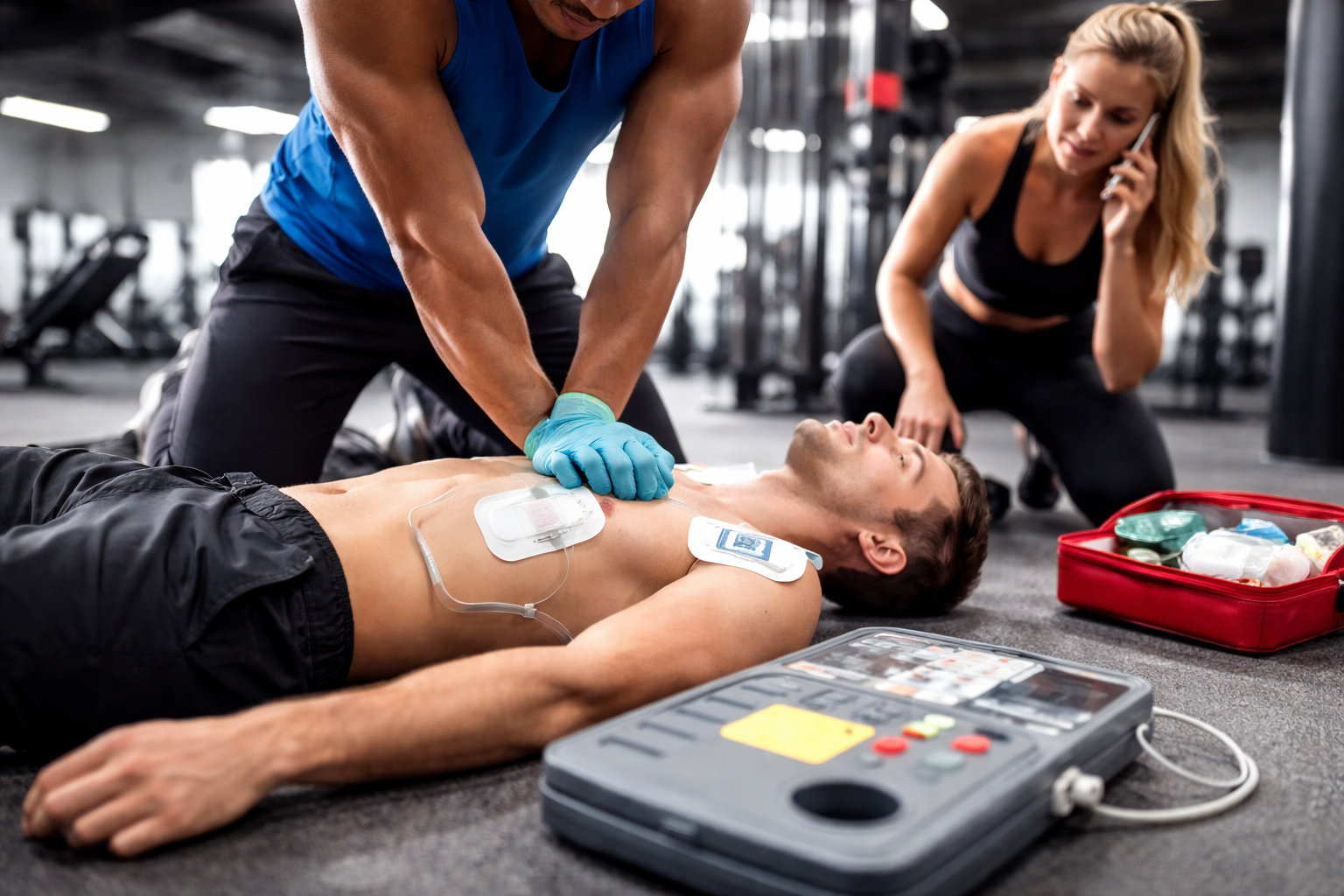
When people walk into a gym, they expect to get fitter—not face a life-threatening emergency. However, intense workouts can put serious stress on the heart.
That’s exactly why AEDs (Automated External Defibrillators) should be mandatory in every gym.
Because when cardiac arrest happens, every second counts.
An AED is a portable, life-saving device that:
Most importantly, it’s designed for anyone to use—even without medical experience.
In a gym setting, where heart rates are pushed to the limit, AEDs are not just helpful—they’re critical.
Let’s be real—gyms are intense environments.
People are:
While exercise is generally safe, underlying heart conditions can go unnoticed—until it’s too late.
💡 Sudden cardiac arrest can happen to:
When someone goes into cardiac arrest:
This is where AEDs make all the difference.
➡️ Using an AED within the first few minutes can increase survival rates dramatically
CPR keeps blood flowing—but it doesn’t restart the heart.
That’s why the combination is critical:
“Why AEDs Should Be Mandatory in Every Gym”
Gyms can’t rely on ambulances alone. An AED allows instant action.
Just like having clean equipment, safety should be standard. AEDs build trust and professionalism.
Under workplace health and safety (WHS) expectations in NSW, businesses must:
Having AEDs—and trained staff—helps meet these obligations.
When staff are trained in first aid and CPR, they can act quickly and confidently.
Imagine this:
A member collapses during a workout.
They’re not breathing. No pulse.
Without an AED:
With an AED:
For true safety, gyms need:
If you’re a PT or gym owner, this is even more important.
You are:
Having CPR certification isn’t optional—it’s essential.
At the end of the day, gyms are about improving lives—not risking them.
So, making AEDs mandatory isn’t just a smart decision.
It’s a life-saving one.
Yes. AEDs give clear voice instructions, making them simple for anyone to operate.
While not always mandatory, they are strongly recommended under WHS risk management practices.
CPR should be refreshed every 12 months.
CPR helps, but an AED is often needed to restore a normal heart rhythm.
Yes. Most gyms require it, and it’s essential for client safety.
