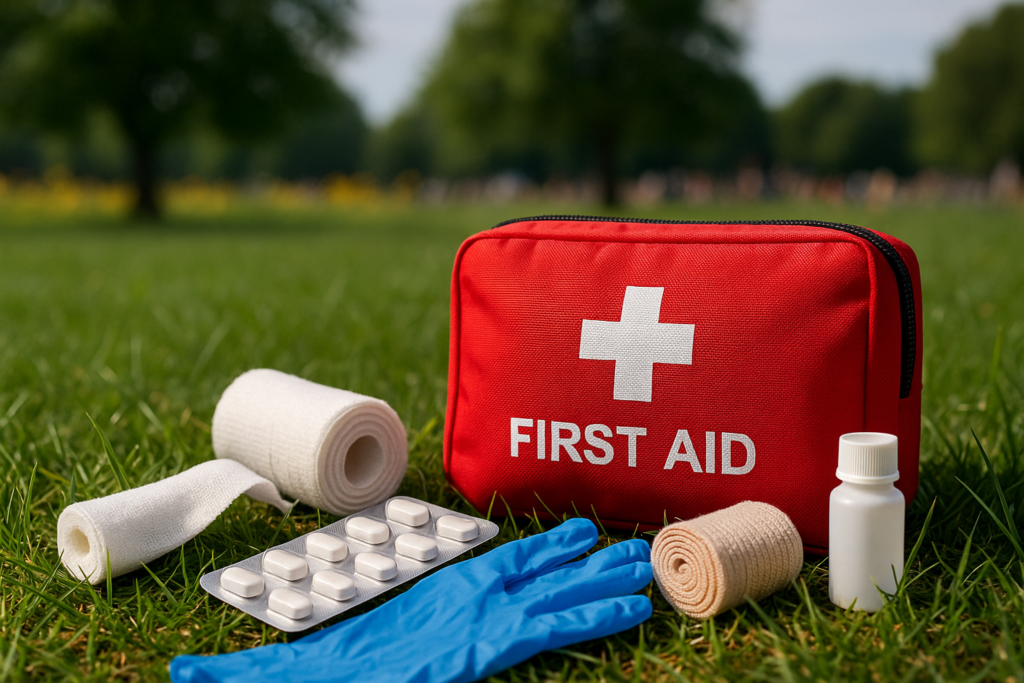
Preparing for Spring Events: First Aid Must-Knows
🌼 Why First Aid Preparedness Matters During Spring Events in NSW
Spring brings:
Sudden temperature changes
High pollen counts
Increased insect activity
More outdoor sports
Larger public gatherings
Higher dehydration risks
More slips, trips, & falls on grass surfaces
For organisers, having trained staff and proper equipment on-site is a legal and safety necessity.
If your event is expected to have crowds, minors, physical activity, food stalls, or outdoor exposure, you should have appropriately trained first aiders equipped with recognised qualifications such as:
HLTAID009 Provide CPR
HLTAID011 Provide First Aid
HLTAID012 Childcare First Aid
CPCWHS1001 Prepare to Work Safely in the Construction Industry (White Card) for construction-related setups
Manual Handling training for staff and volunteers
👉 You can view all TrainingNSW courses here:
https://trainingnsw.org/
🌱 Common Spring Injuries & How to Manage Them
Below are the most frequent incidents we see during spring events—and how trained first aiders respond.
1. Allergies & Anaphylaxis
Spring is peak season for hay fever, asthma, and severe allergic reactions.
Signs of Anaphylaxis:
Difficulty breathing
Swelling of face or throat
Hives or redness
Wheezing or persistent coughing
Dizziness or collapse
Immediate First Aid:
Lay the person flat
Administer an adrenaline auto-injector (EpiPen or Anapen)
Call 000
Administer a second dose after 5 minutes if no improvement
👉 For in-depth training, consider:
Childcare First Aid (HLTAID012) – www.trainingnsw.org
2. Heat Stress & Dehydration
Spring heat in NSW can spike unexpectedly.
What to Do:
Move the person to shade
Give small sips of water
Loosen tight clothing
Apply cool, wet cloths
Call 000 if symptoms escalate to heat stroke (confusion, collapse, rapid breathing)
👉 Learn heat-related emergency response in:
Provide First Aid (HLTAID011) – https://trainingnsw.org/provide-first-aid-hltaid011/
3. Insect Bites & Stings
Higher bee, wasp, and ant activity means higher sting risks at outdoor gatherings.
General Treatment:
Remove the sting if present (scrape, don’t squeeze)
Apply cold compress
Watch for allergic reaction symptoms
Use an EpiPen for anaphylaxis
4. Sprains, Strains & Sports Injuries
School sports days and weekend competitions often cause minor musculoskeletal injuries.
Use R.I.C.E.R:
Rest
Ice
Compression
Elevation
Refer
If pain or swelling worsens → send to hospital.
5. Cuts, Scrapes & Bleeding
Outdoor surfaces and equipment increase the risk of skin injuries.
First Aid Steps:
Apply direct pressure
Use sterile dressing
Add compression bandage
Seek medical help if the wound is deep or contaminated
🧰 Spring Event First Aid Kit Checklist
Every NSW event—large or small—should have a stocked kit.
Include:
Bandages (various sizes)
Sterile gauze
Instant cold packs
Antiseptic wipes
Eyewash
Gloves
Saline solution
Ventolin inhaler (for emergencies)
EpiPen (if site has known allergies)
Resuscitation mask
Scissors & tweezers
Thermal blanket
First aid signage
Incident report forms
TrainingNSW can guide organisers on the right kit type based on your event size.
🧑🏫 Why Event Staff Should Be First Aid Certified
Event organisers are legally expected to ensure safety under:
NSW Work Health & Safety Act
Public event permit requirements
Venue risk management obligations
First aid-trained staff help ensure:
Faster response times
Reduced severity of injuries
Higher compliance
Better duty-of-care outcomes
Most training takes 1 day or less, with digital certificates issued within 1 business day.
☀️ Top Recommended First Aid Courses for Spring Events
1. CPR Course – HLTAID009
https://trainingnsw.org/cpr-hltaid009/
Perfect for volunteers, coaches, teachers, crowd marshals.
2. Provide First Aid – HLTAID011
https://trainingnsw.org/provide-first-aid-hltaid011/
Ideal for ALL event staff, security, support crew, and organisers.
3. White Card Course – CPCWHS1001
https://trainingnsw.org/white-card-course-cpcwhs1001/
Required for staff involved in stage building, bump-in/bump-out, and temporary structures.
📍 Training NSW Locations
TrainingNSW proudly serves clients across:
Chester Hill (Primary Location)
Parramatta
Bankstown
Auburn
Liverpool
Campbelltown
Blacktown
Western Sydney
Greater Sydney Region
Our central location at 2/5 Chester Hill Road, Chester Hill is easily accessible—right opposite Chester Hill Train Station.
Frequently Asked Questions
Yes. Under NSW WHS regulations, event organisers must ensure adequate first aid resources based on risk assessments, crowd size, and event type.
HLTAID011 Provide First Aid is the minimum recommended. If children are involved, choose HLTAID012 Childcare First Aid.
Most courses take 1–2 hours with online pre-learning. CPR takes Approx 30 mins.
TrainingNSW delivers digital certificates within 1 business day.
It’s strongly recommended—especially for large gatherings, sports events, and high-temperature days.
Bandages, gauze, gloves, cold packs, saline, antiseptic, and incident forms. Larger events require more advanced equipment.
Yes. We provide on-site group training across Sydney and NSW.
🌸 Final Message
Spring is one of the most exciting—and busiest—times of the year in NSW. With proper first aid preparation, you can ensure every event is safe, compliant, and enjoyable for all participants.
TrainingNSW is here to support you with accredited training, expert guidance, and fast, reliable certification.
👉 Book your spring safety training today at:
www.trainingnsw.org
EXCELLENTTrustindex verifies that the original source of the review is Google. All goodPosted onTrustindex verifies that the original source of the review is Google. We completed group training on-site and had an excellent experience from start to finish. Muhammad was professional, accommodating, and made the entire process feel effortless. Communication was strong and prompt throughout. I would not hesitate to recommend their services to anyone.Posted onTrustindex verifies that the original source of the review is Google. The lessons were really educative. Mohammad Sadiqui was really helpful through the training. Loved it.Posted onTrustindex verifies that the original source of the review is Google. Mohamad siddique is a great instructor. I always do my first aid and CPR herePosted onTrustindex verifies that the original source of the review is Google. Mohammad siddiqua was very understandable and caring, he spoke to us one by one and loved working with us and giving his knowledge of experience, would highly recommend coming and doing your cpr and first aid course herebPosted onTrustindex verifies that the original source of the review is Google. My experience was amazing and educatingPosted onTrustindex verifies that the original source of the review is Google. Fantastic educational and very supportivePosted onTrustindex verifies that the original source of the review is Google. NSW TRAINING trainer was one of the most energetic and positive person in CPR trainingVerified by TrustindexTrustindex verified badge is the Universal Symbol of Trust. Only the greatest companies can get the verified badge who has a review score above 4.5, based on customer reviews over the past 12 months. Read more