
🚑 The Most Common AED Mistakes Bystanders Make (And How to Avoid Them)
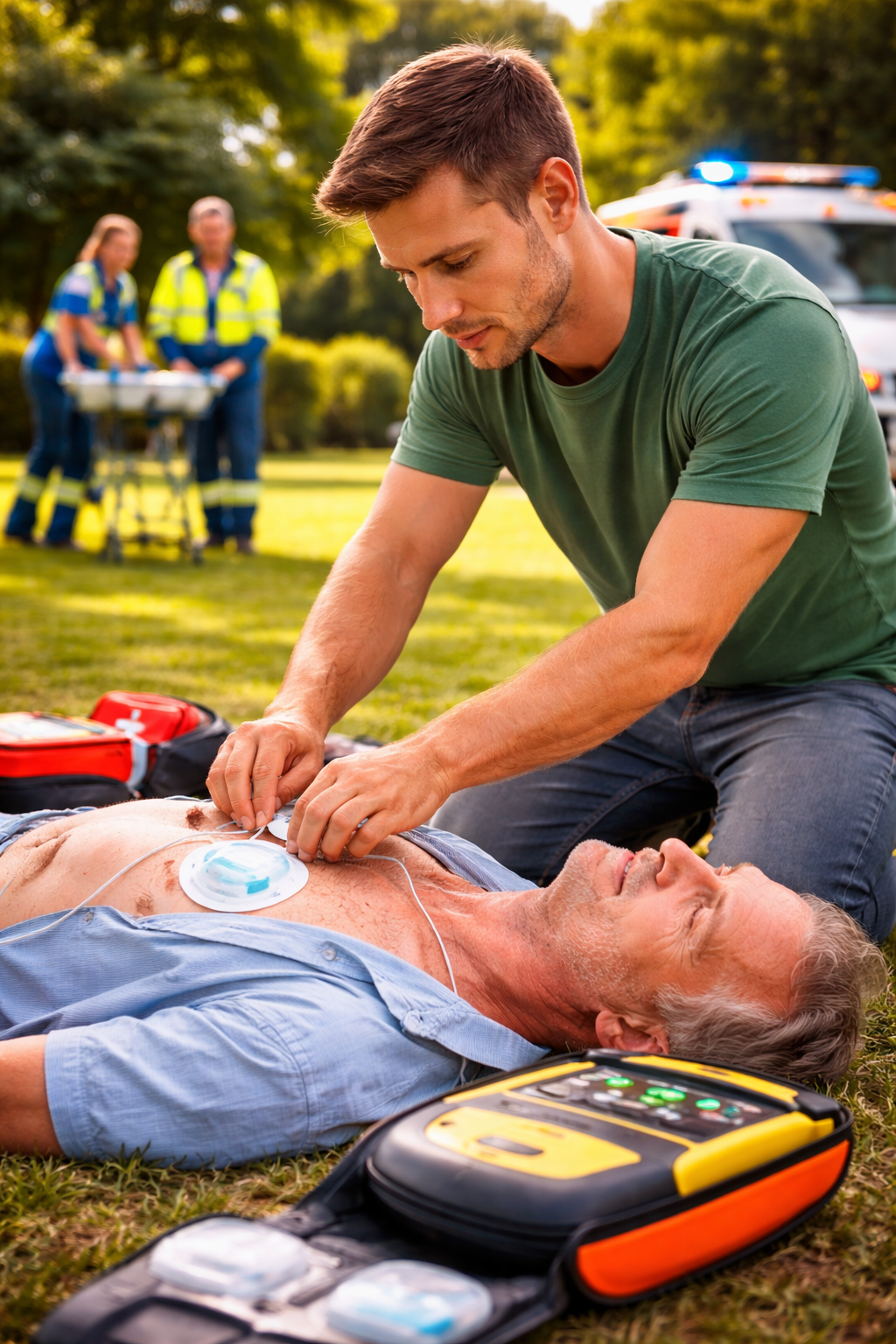
When someone suffers sudden cardiac arrest, every second counts. In Sydney alone, hundreds of cardiac arrests occur each year outside of hospitals. While Automated External Defibrillators (AEDs) are designed to be simple, many bystanders still hesitate—or worse, make critical mistakes.
So, understanding the most common AED mistakes bystanders make can mean the difference between life and death.
⚠️ Why AED Use Matters in Emergencies
An AED can increase survival rates by up to 70% when used quickly alongside CPR. However, delays and misuse often reduce these chances significantly.
👉 According to Australian Securities and Investments Commission and first aid authorities, early intervention is key in emergency response systems.
❌ 1. Hesitating to Use the AED
One of the biggest mistakes is simply not using the AED at all.
Many people assume:
- They need training
- They might harm the person
- Someone else will step in
👉 In reality, AEDs are designed for public use and give clear voice instructions.
⚡ 2. Not Starting CPR Immediately
Before the AED arrives, CPR is critical.
Without CPR:
- Brain damage can begin within 4–6 minutes
- Survival chances drop rapidly
🔌 3. Incorrect Pad Placement
Another common AED mistake is placing pads incorrectly.
Correct placement:
- One pad on the upper right chest
- One pad on the lower left side
Even though AEDs guide you, panic can lead to errors.
💧 4. Using AED on Wet Skin
Sydney environments (pools, beaches, sweat) increase this risk.
Before using AED:
- Dry the chest
- Remove excessive moisture
👉 This ensures effective shock delivery.
👕 5. Not Removing Clothing or Obstructions
AED pads must be placed directly on skin.
Common issues:
- Thick clothing
- Jewellery
- Medical patches
Always clear the chest area before applying pads.
⚠️ 6. Touching the Patient During Shock
This is dangerous and reduces effectiveness.
👉 Always:
- Stand clear
- Ensure others are not touching the patient
AEDs will prompt: “Stand clear”
🧠 7. Not Following AED Instructions
AEDs are designed to guide you step-by-step.
However, under pressure, people:
- Skip instructions
- Rush the process
👉 Stay calm and follow prompts carefully.
🏥 8. Not Calling Emergency Services
Even if an AED is used successfully, emergency help is still required.
👉 Always call 000 immediately before or during AED use.
🎯 How Proper Training Prevents These Mistakes
The best way to avoid AED mistakes is through hands-on training.
👉 Childcare & workplace safety
Training builds:
- Confidence
- Muscle memory
- Faster response times
🌐 Trusted Safety Standards & Authorities
For best practices and national standards, refer to:
- Australian Children’s Education & Care Quality Authority
- training.gov.au
- ABC First Aid
- Australian Securities and Investments Commission
✅ Final Thoughts
AEDs save lives—but only when used correctly and without hesitation.
So, by understanding the most common AED mistakes bystanders make, you can:
- Act faster
- Stay confident
- Potentially save someone’s life
❓ FAQ Section
Hesitating or not using the AED at all is the most common and dangerous mistake.
Yes. AEDs are designed for public use and provide step-by-step instructions.
Yes. Start CPR immediately and continue until the AED is ready.
No. Dry the chest first to ensure safe and effective use.
AEDs analyse heart rhythm and only deliver a shock if needed.