
🚨 Emergency Evacuation Plans for Offices in Sydney: A Complete Safety Guide

It starts with a sound.
An alarm. Loud. Unexpected.
People pause. Look around.
👉 “Is this real?”
Some grab their phones. Others hesitate. A few head for the exit.
This moment—those first few seconds—is where everything matters.
Because without a clear emergency evacuation plan for offices in Sydney, confusion can quickly turn into danger.
Let’s make sure that never happens 👇
⚠️ Why Every Office Needs an Evacuation Plan

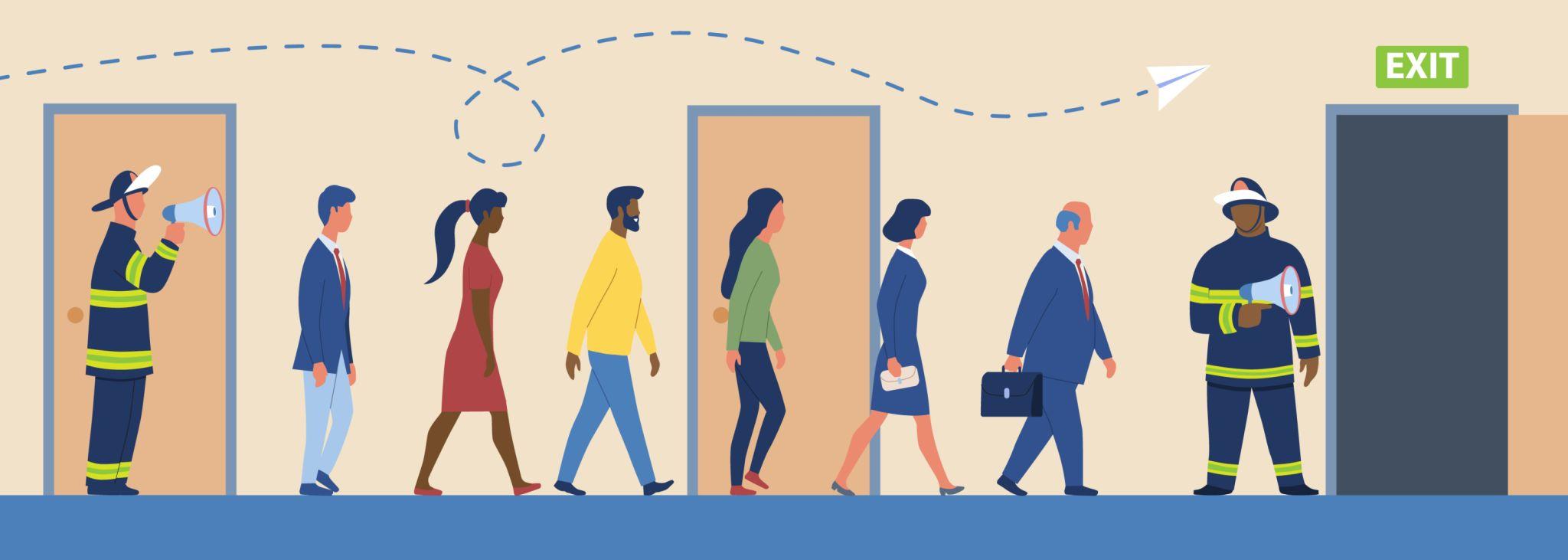

Emergencies can include:
- Fires
- Gas leaks
- Electrical hazards
- Medical emergencies
👉 Without a plan:
- People panic
- Exits get blocked
- Injuries become more likely
🧠 What Is an Emergency Evacuation Plan?
An evacuation plan is a step-by-step process that ensures everyone can leave safely during an emergency.
It includes:
- Exit routes
- Assembly points
- Roles and responsibilities
- Emergency procedures
👉 It’s not optional—it’s essential.
.
🚪 1. Clearly Mark All Exit Routes
The basics matter most.
- Ensure exits are clearly visible
- Use illuminated exit signs
- Keep pathways clear at all times
👉 People must be able to exit quickly without confusion.
🗺️ 2. Display Evacuation Maps
Everyone should know where to go.
- Place maps around the office
- Highlight exits and assembly points
- Include “You Are Here” markers
👉 Visibility = faster response.
👥 3. Assign Emergency Roles


Designate trained staff:
- Fire wardens
- First aid officers
- Floor coordinators
👉 Leadership prevents chaos.
🔁 4. Conduct Regular Drills
Practice makes a difference.
- Run evacuation drills every 6–12 months
- Simulate real scenarios
- Identify weaknesses
👉 The more familiar people are, the faster they act.
🧯 5. Prepare Emergency Equipment
Have essential equipment ready:
- Fire extinguishers
- First aid kits
- Emergency lighting
👉 Equipment must be accessible and maintained.
❤️ 6. Train Staff in First Aid & CPR
Emergencies don’t always end outside.
👉 Be prepared:
Provide First Aid (HLTAID011) CPR Course (HLTAID009)
👉 Trained staff can save lives during evacuation.
📍 7. Establish a Safe Assembly Point
After evacuation:
- Move to a designated safe area
- Stay together
- Conduct headcounts
👉 Never re-enter until cleared.
🌍 Compliance & Workplace Standards
Evacuation planning aligns with:
- Safe Work Australia
- training.gov.au
👉 Ensuring safety and compliance in NSW workplaces.
🔁 Quick Evacuation Plan Checklist
- ✅ Clear exit routes
- ✅ Visible evacuation maps
- ✅ Assigned emergency roles
- ✅ Regular drills
- ✅ Emergency equipment ready
FAQ Section
Every 6–12 months or when changes occur.
Employers and workplace management.
Stay calm and follow evacuation procedures.
No—only when authorised.
Yes—it helps manage emergencies during evacuation.
ontent
✅ Final Thoughts
An emergency evacuation plan for offices in Sydney isn’t just a document—it’s a life-saving system.
Because in an emergency, people don’t rise to the occasion…
👉 They fall back on what they’ve practised.
Make sure your team is ready.
 Relevant Authority (Use These)
 Relevant Authority (Use These)
ABC First Aid (RTO 3399)
Nationally recognised training provider:
“Delivered in partnership with a nationally recognised training provider”
Training.gov.au
Official course standards:
“aligned with official course standards on training.gov.au”
ACECQA
ACECQA requirements:
“meeting ACECQA requirements for educators”
Australian Resuscitation Council
Australian Resuscitation Council guidelines:
“based on Australian Resuscitation Council guidelines”